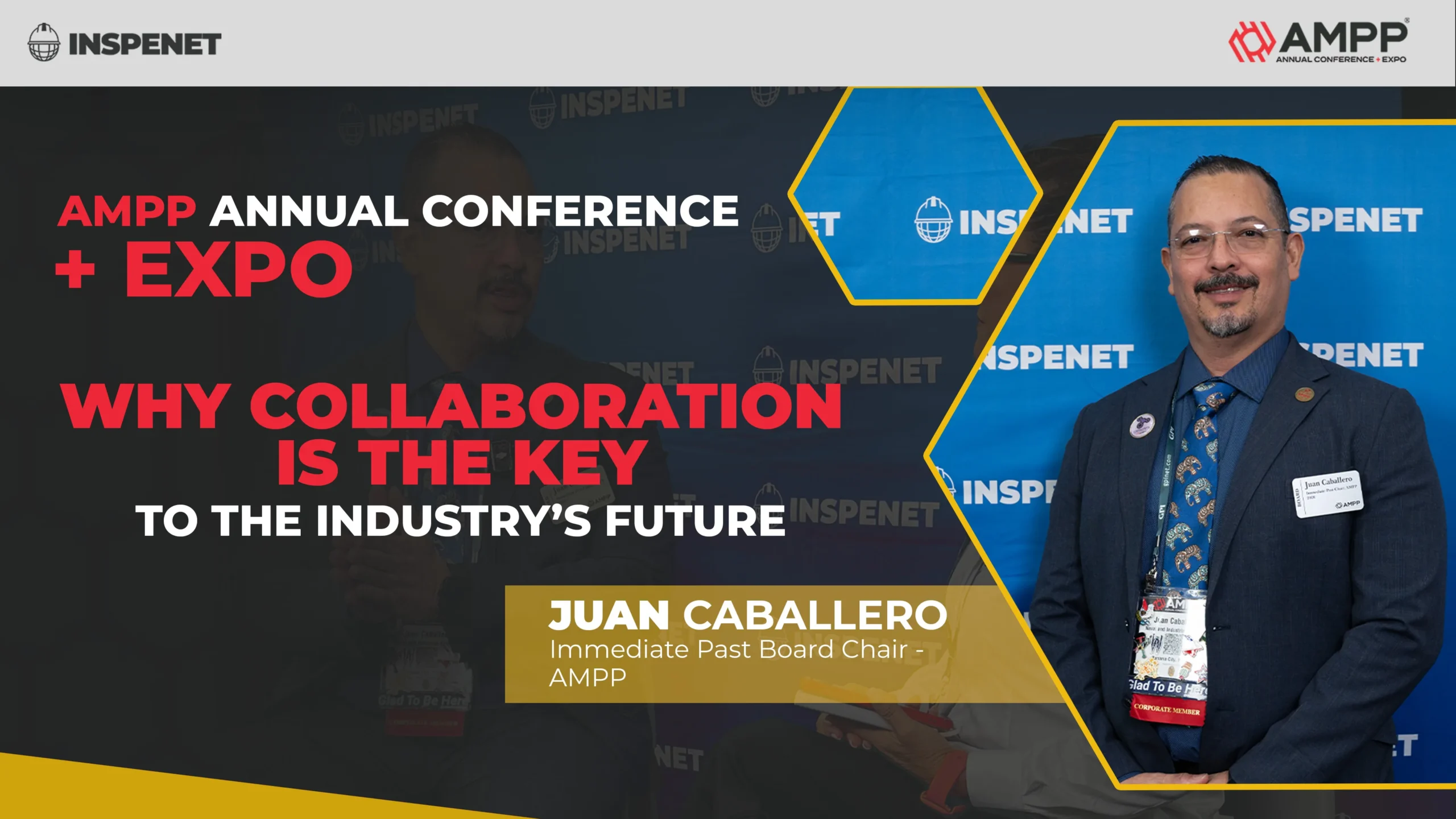
AMPP strengthens its global strategy with focus on talent
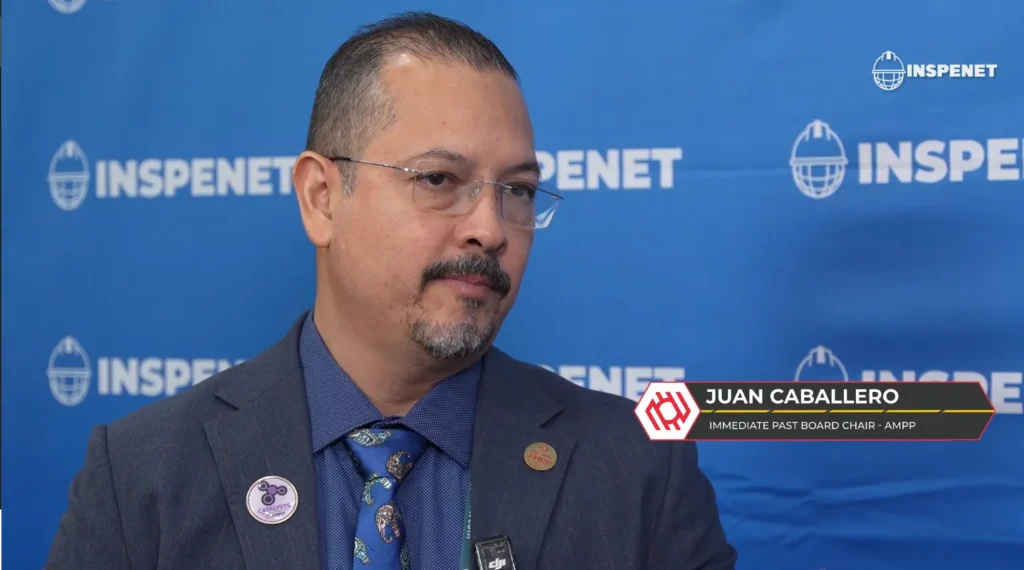
During the AMPP Annual Conference + Expo 2026, Juan Caballero, outgoing chairman of AMPP's global board of directors, analyzed the association's current status and its evolution in recent years. From his perspective, the organization has taken a decisive step by transitioning from an international entity to consolidating itself as a truly global structure.
In this regard, Caballero explained that one of the main achievements of his tenure has been laying the organizational foundations to facilitate this growth. The collaboration between the board of directors, the executive team led by CEO Alan Thomas, and the various chapters has enabled alignment of a common long-term vision.
Furthermore, this process has generated benefits that extend beyond the organization itself. AMPP has strengthened its capacity to provide value to its members, non-affiliated professionals, and the industry at large, establishing itself as a reference in materials protection, corrosion control, and coatings.
Leadership and organizational culture as pillars
On the other hand, AMPP's growth is not explained solely by its geographic expansion, but by an internal transformation based on organizational culture. Caballero emphasized the importance of a member-centric approach, supported by strategic pillars such as financial health and innovation.
Specifically, this cultural shift has enabled the strategic vision to be transferred from senior leadership to all organizational levels. Committees, chapters, and operational teams work under the same logic, facilitating the execution of global initiatives.
In fact, the results are already visible. AMPP has grown from approximately 105 chapters in 2023 to closing last year with 185, a figure that reflects the effectiveness of its expansion strategy. This sustained growth confirms that the combination of structure, culture, and collaborative leadership is delivering tangible results.
Technology as an evolution axis
In parallel, the industry is undergoing a technology-driven transformation. In this context, AMPP has begun integrating artificial intelligence into its training and certification programs, with the objective of adapting to new market demands.
According to Caballero, this approach responds to the need to anticipate changes and maintain the organization's historical role as a solution generator. Since their origins, associations such as NACE and SSPC (which today form part of AMPP) emerged to solve specific technical challenges through standards and best practices.
Furthermore, the incorporation of new technologies enables AMPP to continue this tradition in a more complex and dynamic environment. The digitalization of training processes and the improvement of certifications are key elements to ensure the sector's competitiveness.
The talent challenge in the industry
However, the most significant challenge currently facing the industry is the decline of the specialized workforce. This phenomenon affects multiple regions and jeopardizes the continuity of essential technical knowledge.
Faced with this situation, AMPP has decided to focus a significant portion of its resources on addressing this problem structurally. As a result, it has promoted the creation of TalentForce, an entity that will operate in parallel with the association with a specific focus on comprehensive talent development.
As Caballero explained, TalentForce seeks to act directly on the existing gap, promoting training, capacity building, and attraction of new professionals. This approach is not limited to meeting immediate needs, but rather proposes a long-term strategy to strengthen the sector's foundation.
In this way, AMPP reaffirms its role as an active agent in the industry's evolution, adapting to environmental changes and proposing concrete solutions to structural problems.
Attracting new generations
Regarding talent development, another focus area is attracting new generations. To this end, AMPP has strengthened programs such as EMERGE, aimed at sparking interest in the industry from early stages.
Unlike traditional initiatives focused exclusively on the university level, this approach also encompasses secondary and primary schools. The objective is to generate early connection with the sector and showcase available professional opportunities.
Furthermore, the organization continues promoting scholarships, awards, and activities within its conferences to encourage student participation. These actions contribute to creating a more dynamic ecosystem and reducing the distance between the industry and future professionals.
A vision for the future based on collaboration
Finally, Caballero emphasized that one of the distinguishing elements of his tenure has been the commitment to collaborative work. This philosophy has enabled synergies among different stakeholders and the construction of a shared global vision.
In this scenario, the new presidency led by Dr. Kimberly Joey Harris will continue developing this strategic line, with the support of the board of directors and the executive team. Leadership continuity is presented as an important factor for consolidating the progress achieved.
Furthermore, the future of AMPP is shaping up as that of an organization capable of anticipating trends, integrating technological innovation, and responding to industry needs. The combination of global growth, talent development, and adoption of new tools positions the association as a relevant player in the industrial landscape.
For more content about AMPP 2026, please visit our LinkedIn profile.
Source: Inspenet.