The Association for Materials Protection and Performance (AMPP) has introduced a new Industry Report series examining pressures building across critical infrastructure. The first reports, focused on pipelines and shipbuilding, don’t reframe the conversation but clarify issues the industry already recognizes yet hasn’t fully addressed.
Addressing Risk in the Energy Sector
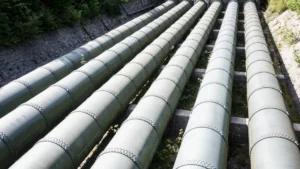
Corrosion remains one of the leading contributors to pipeline incidents across the U.S. pipeline network, spanning millions of miles and transporting natural gas, refined fuels and emerging energy carriers, where even a small failure rate quickly leads to operational disruption and environmental damage with significant economic loss.
The challenge is to apply the standards
As infrastructure ages and new hydrogen and CO₂ pipelines are added, digital tools improve visibility but cannot replace field experience or engineering judgment, making long-term reliability depend on sustained corrosion control, industry standards and workforce capability.
Shipbuilding faces the same challenge
While much of the conversation centers on funding and policy, the report identifies a more critical constraint: the shortage of skilled welders, blasters, coatings applicators and inspectors whose work directly determines vessel quality, maintenance and service life.
Demand for skilled maritime workers is expected to grow by roughly 250,000 over the next decade, but hiring alone will not close the gap because workforce development remains misaligned with industry needs and training does not consistently reflect performance standards.
Training aligned with standards
While AMPP TalentForce creates clearer workforce development pathways through apprenticeships, employer-aligned training and job-relevant credentials, long-term success depends on aligning training, industry standards, and real-world job requirements.
A Shared Set of Pressures
While pipelines and shipbuilding operate in different environments, both face aging infrastructure, increasing system complexity and persistent corrosion, where long-term performance depends on maintenance, consistent industry standards and a qualified workforce.
Why the Series Matters
The reports show that corrosion, workforce gaps and inconsistent application of industry standards remain the main causes of preventable failures, but their value lies in showing operators, policymakers and contractors where sustained attention is needed to improve long-term reliability.
What Comes Next
The pipeline and maritime reports are the starting point as AMPP expands the series into other sectors to examine where similar infrastructure challenges persist, how systems perform over time, why aging assets and increasing demands raise risk, and how consistent execution of the fundamentals at scale drives long-term performance.
This article was developed by specialists from AMPP and published as part of the eighth edition of Inspenet Brief magazine July 2026, dedicated to technical content of the energy and industrial sector.