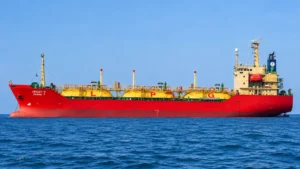
Russia has begun importing gasoline from India to confront an unprecedented fuel crisis, triggered by Ukrainian attacks on its refining infrastructure. At least 60,000 metric tonnes have already been dispatched on two vessels carrying between 30,000 and 40,000 tonnes each, according to industry sources cited by Reuters on July 1, 2026.
Moscow plans to import around 400,000 tonnes of gasoline per month from various countries to offset the decline in domestic production. The move turns Russia—one of the world’s largest exporters of refined products—into a net importer of fuels for the first time in decades.
Russia imports gasoline from India amid the partial collapse of its refining capacity
Gasoline production in Russia fell by around 25% compared with the same period a year earlier as a direct result of damage to refineries and energy infrastructure. The crisis has led to rationing, long lines at service stations, and domestic gasoline prices at record highs.
As an emergency measure, the country must import gasoline from India; Belarus has already tripled its rail fuel exports to Russia during June. At the same time, Moscow negotiated imports from Kazakhstan and is considering easing fuel quality standards to broaden the pool of available suppliers.
“What we are seeing is the direct consequence of sustained attacks on critical refining infrastructure. Russia’s processing capacity has been seriously compromised and the domestic market cannot wait,” said an energy-sector analyst cited by Reuters.
Impact on maritime logistics and global refining flows
The decision to import gasoline from India is reshaping international flows of refined products. Indian refineries, which have expanded their fuel exports since 2022, are now capturing a new high-demand destination at a time when traditional European buyers have reduced their purchases of Russian products.
For terminal operators, ports, and maritime logistics, the increase in gasoline shipments from Asia to the Black Sea represents a structural shift in trade routes. The energy infrastructure for storage and reception at Russian ports will need to adapt to handle growing volumes of gasoline imports from India.
Damaged Russian refineries will require intensive inspection, repair, and asset integrity programs to restore their operating capacity. The extent of the damage and recovery timelines remain uncertain, keeping pressure on the domestic fuel market.
Russian refining crisis: Russia imports gasoline from India
The Russian case illustrates the vulnerability of refining infrastructure to direct attacks and the difficulty of replacing processing capacity in the short term. A country with abundant crude reserves can be left without refined fuels if its refinery network is taken offline.
“The situation in Russia is a reminder that energy security depends not only on access to crude, but on the integrity and resilience of the entire processing and distribution chain.”
The crisis will have medium-term consequences for global gasoline markets and Asia’s refining flows. operational reliability operators and refinery inspection companies will see higher demand as Russia seeks to restore its productive capacity.
Source: https://amp.dw.com/
Photo: Shutterstock