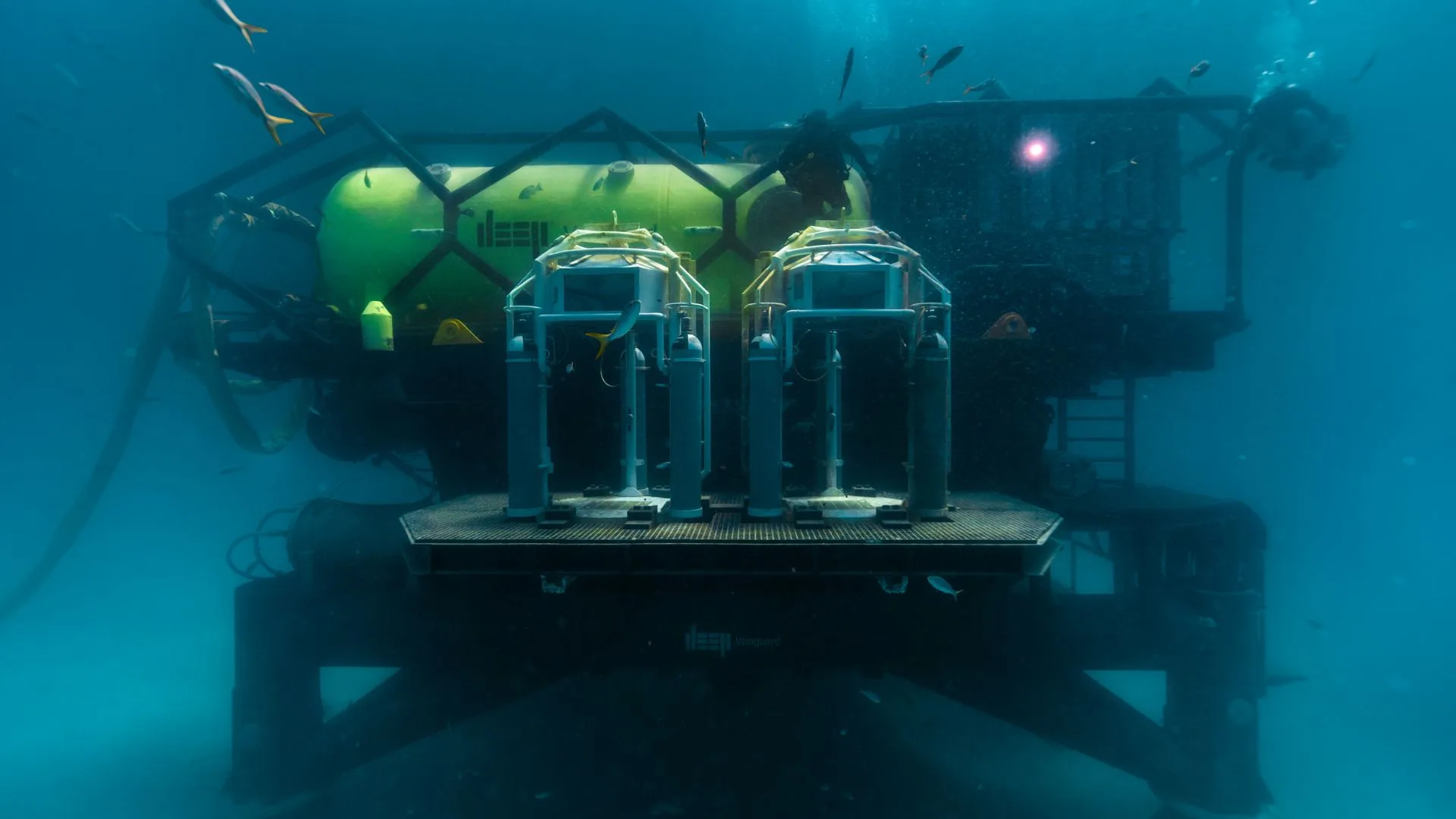
Ocean engineering company DEEP has completed the installation of its Vanguard underwater habitat at Tennessee Reef, within the Florida Keys National Marine Sanctuary. The deployment marks the first system of its kind built, tested, and operated in open ocean in the United States in over four decades.
The module is located 17 meters deep above the seabed and has been designed to house crews of up to four aquanauts during multi-day research missions, according to information shared directly by the company.
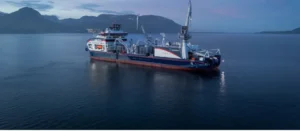
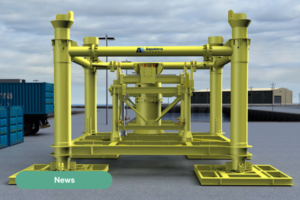
Its installation involved a complex marine operation that included securing an underwater base and mooring a surface support buoy.
About the Vanguard Underwater Habitat Design
In addition to its compact design, Vanguard features a habitable section over 10 meters in length that enables continuous underwater scientific activities. Likewise, the system is undergoing sea acceptance trials as part of the certification process with DNV, a specialized maritime classification entity.
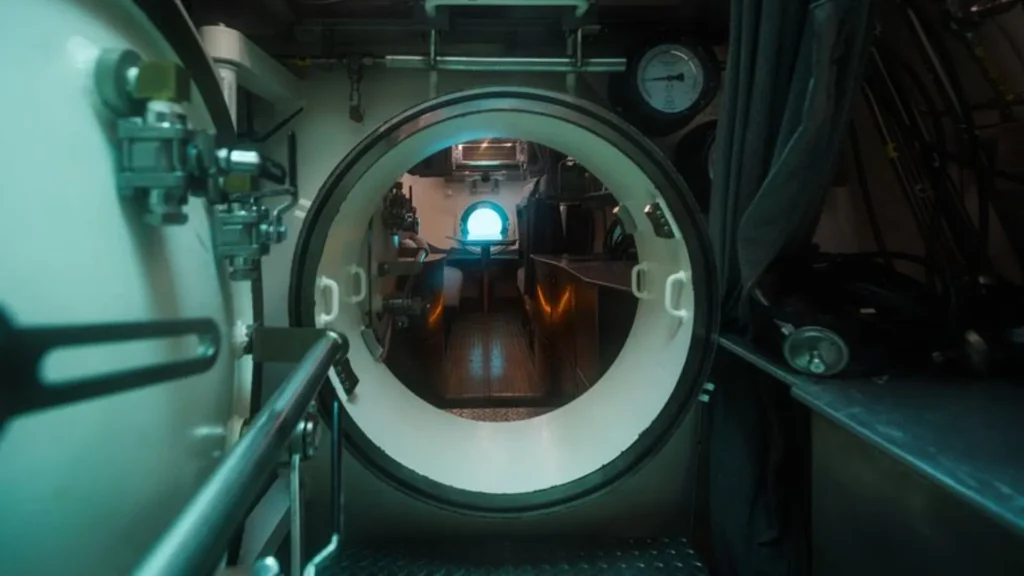
From a technical standpoint, this type of infrastructure represents an advance in subsea engineering by facilitating the prolonged presence of researchers in oceanic environments. This allows for increased quality and continuity of data collected compared to traditional expeditions.
Tennessee Reef is considered a strategic zone for the study of marine ecosystems. Thanks to Vanguard, scientists will be able to conduct continuous monitoring of coral health, water quality, and the effects of climate change.
Among the anticipated applications are reef restoration, tracking of coral diseases, and analysis of ocean acidification. Studies on biodiversity, food webs, and benthic dynamics are also planned.
Furthermore, the habitat will enable testing of ocean sensors and new sampling tools under real conditions. This opens the door to the development of more precise technologies for underwater exploration.
Platform for Training in Extreme Environments
The Vanguard program also incorporates uses beyond marine science. These include research on human physiology in extreme environments and training programs for astronauts.
In this regard, the ability to simulate isolation and pressure conditions makes the habitat a relevant platform for space missions and high-risk operations.
According to DEEP, Vanguard is the first step in a broader program aimed at establishing a continuous human presence beneath the sea. The company is already working on Sentinel, a larger-scale modular system that will expand current capabilities.
Source and photos: DEEP