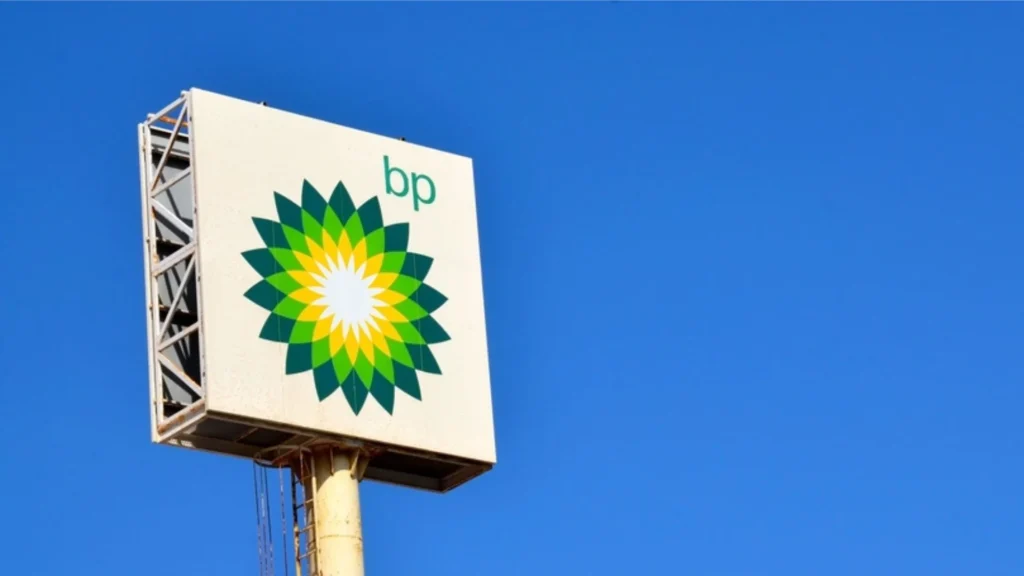
At the start of 2026, bp reported a notable increase in its financial results, achieving an underlying replacement cost profit of US$3.2 billion. The figure more than doubled from the previous quarter and reflects a significant recovery after a weaker 2025 close.
Reported profit was US$3.8 billion, which contrasts with the losses previously recorded. This performance was mainly due to the strengthening of refining margins and an outstanding activity in oil trading. oil trading.
Q1 2026 earnings driven by trading and refining
On the one hand, the crude oil crude oil trading business business made an exceptional contribution, capitalizing on the volatility of the energy market. On the other, refining margins improved considerably, driven by improved operating efficiency and reduced maintenance shutdowns.
In addition, the customers and products segment recorded significant growth in profits, supported by the optimization of supply and the strength of its integrated value chain.
Stability in upstream despite geopolitical challenges
In terms of exploration and production, bp maintained stable levels with production virtually unchanged. Increases in the U.S. Gulf of America and U.S. onshore assets offset disruptions in the Middle East and divestments in the North Sea.
Likewise, operational reliability reached 95.7%, while the availability of the refineries exceeded the established internal targets.
Pressure on cash flow and increased debt
Operating cash flow was US$2.9 billion, affected by a significant increase in working capital of US$6 billion. This increase was linked to higher crude oil higher crude oil priceshigher crude oil prices, longer logistical routes, and seasonal effects on inventories.
In parallel, net debt rose to US$25.3 billion, compared to US$22.2 billion in the previous quarter. This increase reflects lower cash generation in the period.
Financial strategy and portfolio optimization
Despite the increase in leverage, the company reaffirmed its goal of reducing net debt to a range of between $14 billion and $18 billion by 2027. It also plans to decrease hybrid bond financing by approximately $4.3 billion.
On the other hand, bp maintained its dividend at 8.32 cents per share and confirmed its capital expenditure forecast for 2026, estimated at between 13.0 and 13.5 billion dollars.
During the quarter, the company advanced its portfolio optimization strategy, including the sale of the Gelsenkirchen refinery in the sale of the Gelsenkirchen refinery in. This transaction is aligned with its goal of reducing structural costs to a range of between US$6.5 billion and US$7.5 billion by 2027.
An energy environment marked by volatility
Results reflect bp’s ability to adapt to a complex energy environment. The combination of trading, refining and integrated asset management continues to be key to capturing value in volatile markets.
However, risks associated with geopolitical tensions persist, especially in the Middle East, as well as changes in global trade routes. These factors continue to condition logistics and price dynamics in the energy sector.
Source: bp
Photo: Shutterstock