Robotic tank inspection to reduce energy risks
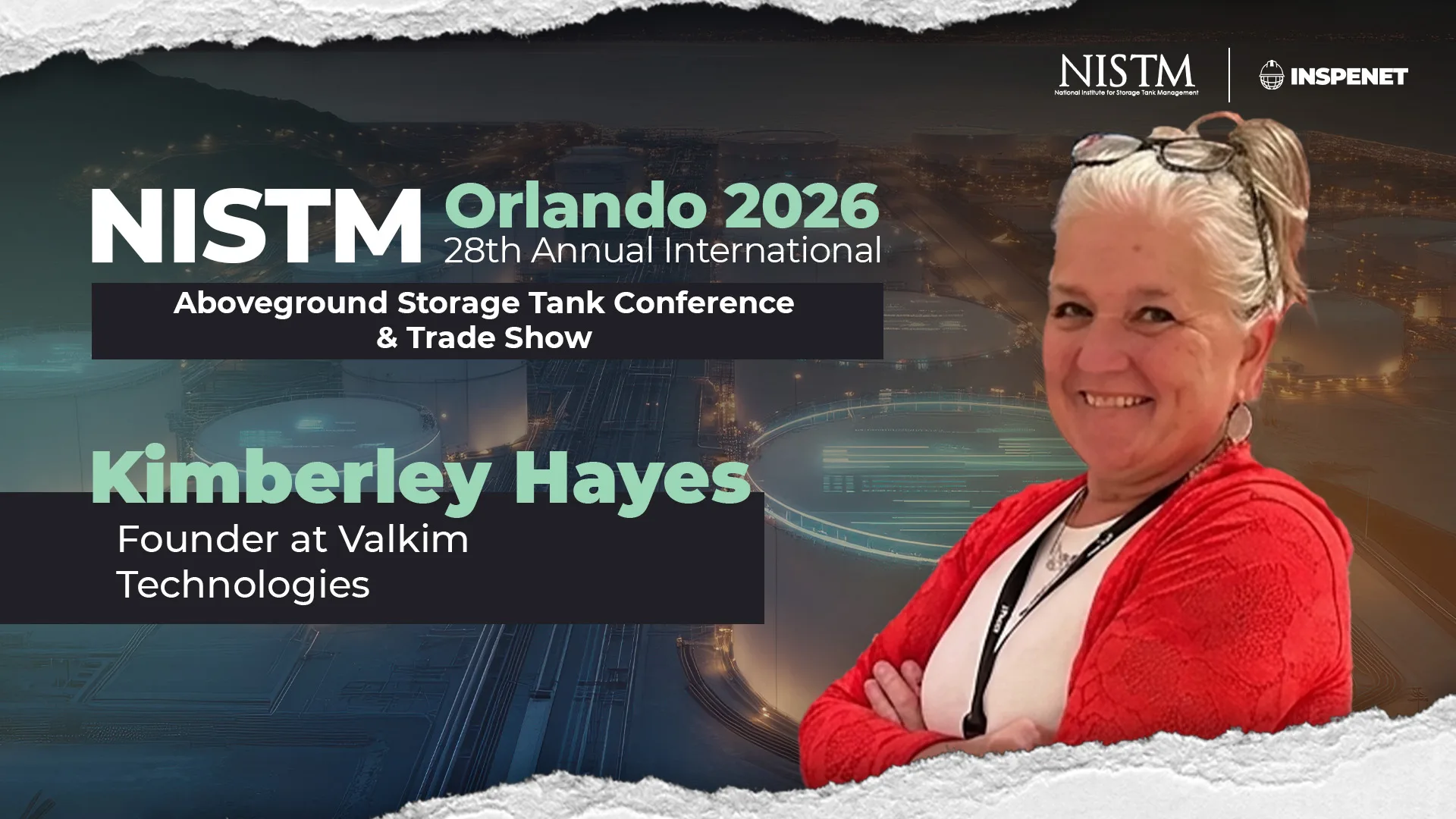
The tank inspection in the energy sector still relies in many cases on manual processes involving high risks. As part of NISTM 2026, Valkim Technologies is presenting a robotics-based alternative that redefines how these operations are performed.
A sector that still carries critical risks
Firstly, tank inspection remains one of the most sensitive activities within the oil & gas industry. Work in confined spaces presents obvious hazards, with recurring incidents involving both operators and rescue teams. This reality shows that, despite technological advances in other areas, certain important processes are still anchored in traditional methodologies.
In addition, many of today's procedures are based on approaches developed decades ago. Manual mechanical inspections, use of basic tools and physical presence inside the tanks are still common practice. This not only increases risk, but also raises doubts as to whether the most relevant parameters for today's industry are actually being measured.
Robotics applied to industrial inspection
On the other hand, Kimberly Hayes, CEO and founder of Valkim Technologies, proposes a direct transformation of this scenario through the use of robotics. Her company has developed a solution that allows tank inspection without the need for an operator to enter the confined space.
The system consists of a robot capable of entering the tank and collecting important data via sensors. In a recent test, the team was able to capture gas readings using a hose and meter configuration, completely avoiding human entry. This approach immediately reduces risk exposure and opens the door to more efficient processes.
Likewise, this technology allows rethinking the objective of the inspections, instead of focusing only on mechanical integrity, measurements can be incorporated that are more aligned with current requirements, such as the emissions control or early leak detection.
From innovation to actual implementation
However, technological development is not the only challenge; one of the most relevant points raised by Hayes is the difficulty of bringing these solutions to market. In the energy sector, the adoption of new technologies is often slow, especially when it involves changing critical processes.
In this context, many companies prefer not to be the first to implement an innovation, there is a tendency to wait for prior validations, which generates a blocking effect for technology startups. Without a first success story, it is difficult to move towards wider adoption.
For this reason, the conversation around innovation must go beyond discourse. The industry needs to take concrete steps towards implementation, assuming certain levels of controlled risk to evolve its operations.
Technology convergence and cross-industry collaboration
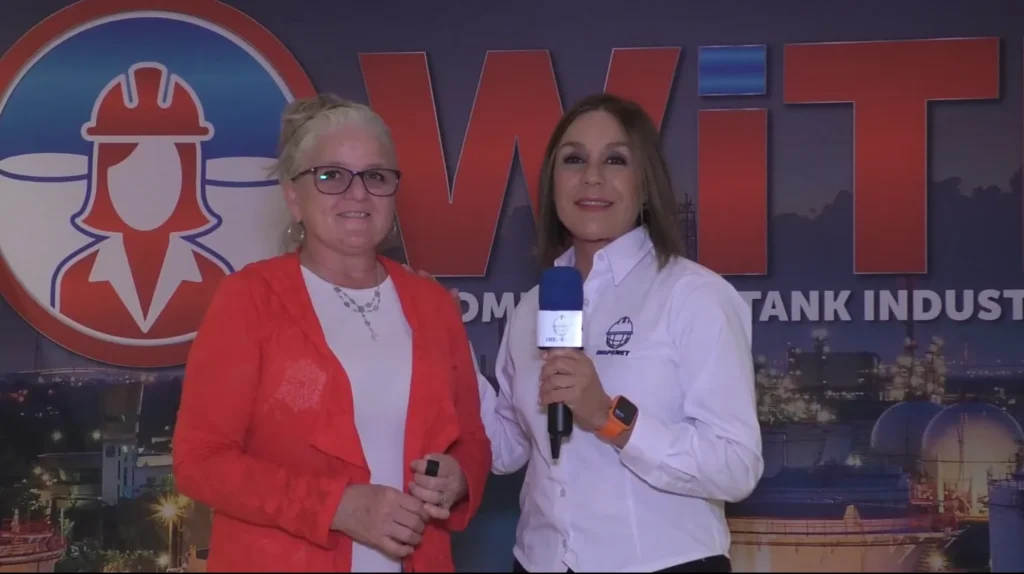
At the same time, events such as NISTM 2026 demonstrate the value of cross-industry collaboration. During her participation, Kimberly Hayes highlighted the interaction with companies from fields such as defense or the development of advanced sensors. These connections make it possible to transfer existing solutions to new industrial contexts.
This technological convergence facilitates the identification of opportunities that would otherwise remain isolated. The application of innovative sensors or autonomous systems in oil & gas is a clear example of how different industries can complement each other to solve common problems.
Recognition of innovation in the business field
In parallel, the work of Valkim Technologies has been recognized with the Texas Innovation Award, an award that distinguishes companies with advanced technological proposals. These types of initiatives not only validate the development of new solutions, but also promote the exchange of knowledge between organizations.
During the event associated with this recognition, the company had the opportunity to connect with multiple actors in the business and academic ecosystem. These interactions reinforce the importance of creating spaces where innovation can evolve from the pilot phase to commercial application.
Diversity and new perspectives in the technology industry
Hayes also focused on the role of diversity within the technology sector. The incorporation of different perspectives, especially the participation of women, is seen as a crucial factor in driving real change in the industry.
Diversity allows problems to be approached from different angles, generating more complete solutions. As discussed during the interview, the integration of multiple points of view contributes to building a more accurate view of the challenges and their possible responses.
A necessary evolution in tank inspection
Finally, tank inspection is at an inflection point, the combination of operational risks, limitations of traditional methods and availability of new technologies poses the need to transform these processes.
The proposal of Valkim Technologies shows that it is possible to move towards safer and more efficient models. However, the real change will depend on the industry's ability to adopt these solutions and redefine its operating standards in the coming years.
For more content about NISTM 2026, visit our LinkedIn profile.
Source: Inspenet.