Ooga Technologies brings digital management to NDT inspections
During the API Inspection & Mechanical Integrity Summit 2026, Kendall Brice, Director of NDT Services for Oil & Gas at Ooga Technologies, explained how the digitalization of these tests improves information availability and its use in technical decision-making.
According to Brice, one of the main current challenges is the disconnection between fieldwork and the teams responsible for analyzing the results. In many cases, the information generated during an inspection does not immediately reach those who need to evaluate it, leading to delays and limiting the ability to respond to potential anomalies.
Digitalization seeks to solve this problem by facilitating access to data in near real-time, allowing for more direct communication between inspectors, engineers, and operators.
The need to improve traceability in inspections
Inspections using non-destructive testing generate a large amount of information that must be properly managed to ensure asset integrity. According to Kendall Brice, one of the key aspects is ensuring that results can be consulted, verified, and remain available for future evaluations.
This involves having complete records that include the results and details on who performed the inspection, what procedure was used, and under what conditions it was carried out. This traceability is fundamental for both daily operations and for audits and technical reviews.
Brice noted that many organizations still rely on processes where information is transmitted slowly, which hinders coordination among the different parties involved, potentially affecting operational efficiency and delaying decision-making.
Data integration for more agile decision-making
To address these challenges, Ooga Technologies has developed a digital platform aimed at integrating information generated during inspections into an accessible environment for all involved stakeholders.
The solution allows for managing radiographic images, storing data in the cloud, and facilitating remote access to results, eliminating reliance on manual information exchange processes and reducing the time required for data to become available.
As Kendall Brice explained, having information immediately available allows engineering teams to analyze results without delay and act more quickly when a condition requiring attention is detected.
The platform also incorporates mechanisms to ensure the traceability of each inspection. Each record is linked to the applied procedure and the responsible professional, facilitating the monitoring and review of information over time.
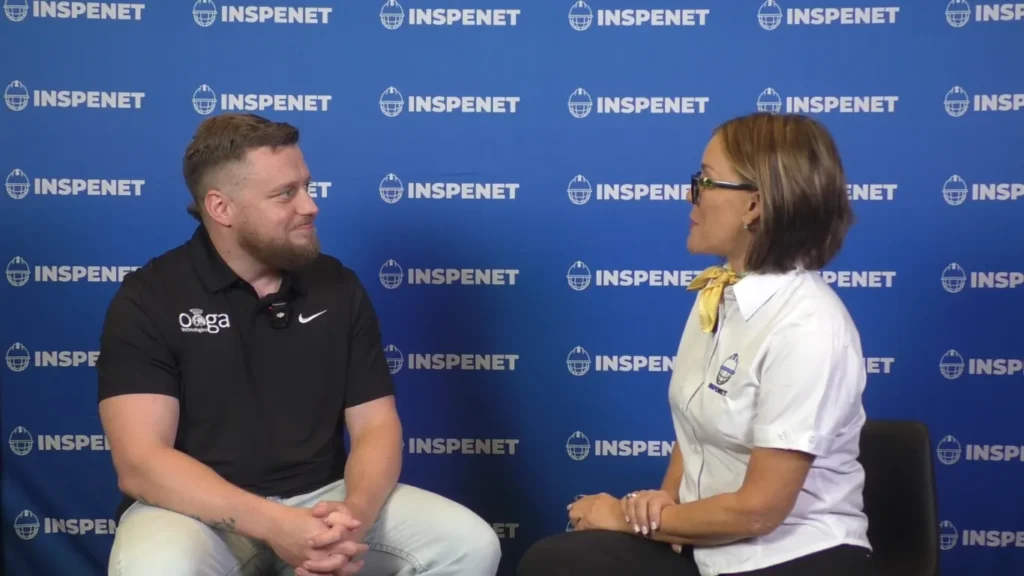
The role of technical expertise in digitalization
Although digitalization brings improvements in information management, Kendall Brice emphasized that technical expertise remains an essential element in inspection processes.
In this regard, he highlighted the importance of having professionals with ASNT Level III certification, capable of supervising procedures, validating interpretations, and providing technical support in complex situations.
Technology facilitates access to data, but the interpretation of results continues to depend on the experience of specialists. Therefore, the combination of digital tools and technical knowledge is key to ensuring the quality of evaluations.
Additionally, the company emphasizes audits of inspection services; the ability to review procedures, verify competencies, and analyze contractor performance contributes to ensuring that inspections are carried out according to required standards.
Focus on information quality and availability
The proposal from Ooga Technologies focuses on improving the quality and availability of information generated during inspections. Rather than replacing traditional processes, the goal is to ensure that data can be used effectively in decision-making.
During his presentation at the API Inspection & Mechanical Integrity Summit 2026, Brice highlighted that digitalization allows for reducing times, improving traceability, and facilitating collaboration among the different stakeholders in the process.
For more content on API Summit 2026, visit our LinkedIn profile.
Source: Inspenet.