Offshore operations: Oceaneering’s data strategy
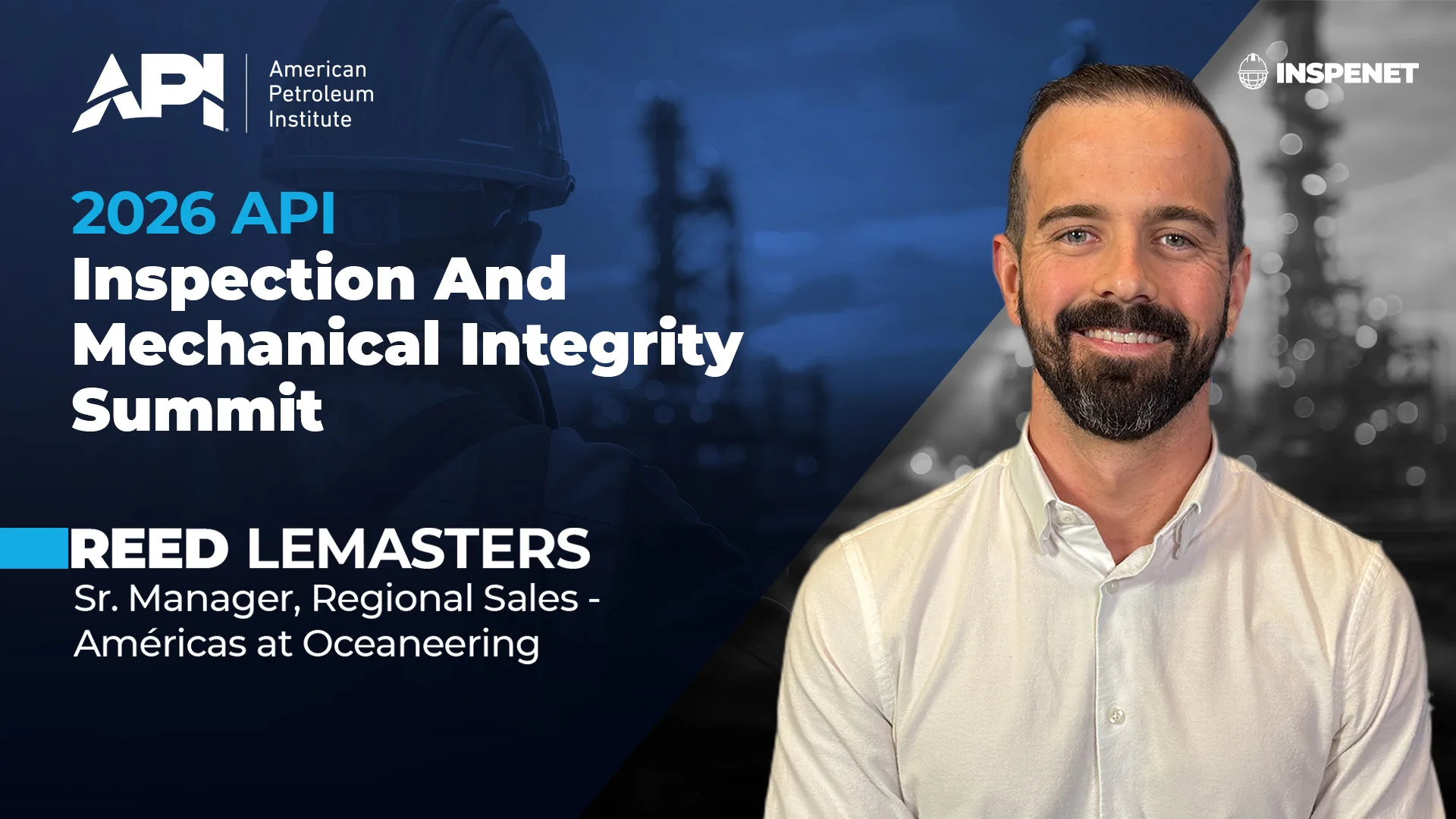
Offshore operations are undergoing a transformation in which the ability to convert data into effective decisions has become a determining factor for operators. During API Summit 2026, Reed LeMasters , Senior Regional Sales Manager for the Americas at Oceaneering , shared the company's vision on the role of digitalization in asset management , inspection, and maintenance of critical infrastructure.
LeMasters explained that the true value of information lies not only in collecting large volumes of data, but also in having an ecosystem capable of connecting, interpreting, and transforming that data into concrete actions. Based on his experience working with clients in North and South America, he believes the industry is moving toward models where interdisciplinary collaboration and technological integration allow for a much more comprehensive view of asset status.
Oceaneering seeks to simplify offshore asset management
Founded over six decades ago, Oceaneering has established itself as a leading provider of technology solutions for the oil and gas, renewable energy, defense, science, and other industries operating in complex environments. Its portfolio includes inspection services, asset integrity management, remotely operated vehicles (ROVs), maintenance, communications, engineering, and digital solutions for subsea installations.
Within this context, Reed LeMasters leads the commercial strategy for the Americas. However, during the interview, he made it clear that his team intends to move away from the traditional sales approach.
As he explained, the goal is to act as a strategic partner capable of understanding each operator's needs before proposing any technological solution. To achieve this, it is essential to understand the root of the problems, identify operational challenges, and tailor each proposal to the specific conditions of the facilities.
This philosophy reflects a shift in focus that is increasingly present in the energy industry , where suppliers seek to become long-term technological partners and provide value throughout the asset lifecycle .
Listen to the customer to find the real problem
One of the messages that stood out most during the conversation was the importance of listening to the customer.
LeMasters believes that organizations often focus their efforts on resolving the symptoms of a problem without analyzing its root cause. Consequently, the solutions end up being partial or inefficient.
For Oceaneering, understanding the operational context is the first step in developing projects that truly meet the operator's needs. This process involves analyzing the conditions of each facility, understanding the technical limitations, and grasping the client's objectives before designing a strategy.
Likewise, this approach facilitates the building of long-term relationships and allows for the identification of opportunities to improve processes that might initially go unnoticed.
Data becomes the central focus of offshore operations
One of the central aspects of the interview was the growing importance of data within offshore operations .
LeMasters stated that the industry generates a huge amount of information from inspections, sensors, monitoring systems , and fieldwork. However, having this data does not, in itself, guarantee better asset management.
The real challenge lies in organizing them, relating them, and extracting useful knowledge to support decision-making.
From this perspective, the quality of the information is just as important as the ability to interpret it. When data remains isolated across different platforms or departments, operators struggle to gain a complete picture of the status of their facilities.
In contrast, when all that information can be accessed from a single source, teams have better tools to prioritize interventions, allocate resources, and plan inspections more accurately.
Integrate the entire work cycle into a single ecosystem
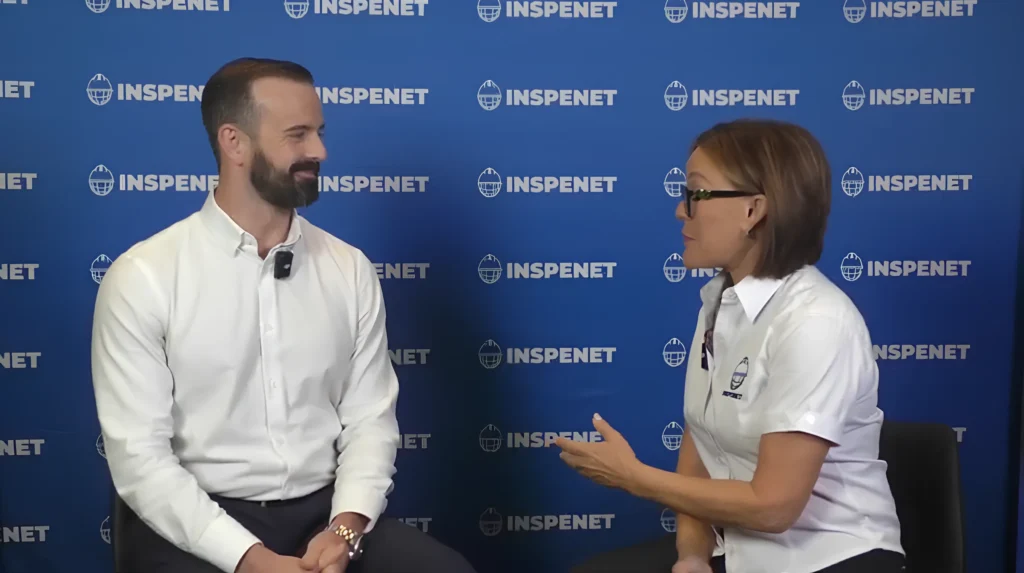
During the interview, LeMasters described one of the main challenges that the sector still faces.
Many projects involve different companies responsible for carrying out specific tasks; one company performs the inspection, another processes the data, a third develops the dashboards, and a fourth performs the engineering analyses.
Although this model has allowed the development of highly complex projects, it also generates fragmentation of information and hinders the exchange of knowledge between the different phases of the process.
Oceaneering's proposal consists of integrating all these capabilities within the same technological ecosystem.
In this way, the data captured during an inspection can directly feed into the analysis processes , facilitate the identification of anomalies, and support decisions related to the maintenance or repair of assets.
This approach also helps to reduce response times, minimize duplication, and maintain information traceability throughout the operational cycle.
Better planning improves the efficiency of inspections
Asset management depends largely on the ability to properly plan each intervention.
LeMasters explained that having accurate information allows one to decide which inspection methods to use, which specialists should be involved, and what the priorities for action should be.
When operators have reliable and well-structured data, they can prepare much more efficient campaigns, optimize the use of resources, and reduce unnecessary trips to offshore facilities.
Likewise, an integrated view facilitates the assessment of the condition of the equipment before problems with a greater operational impact appear.
This type of planning also promotes the continuity of operations and helps to establish maintenance strategies based on objective information.
Digital transformation requires more than just gathering information.
Although digitalization occupies a prominent place within the energy industry, LeMasters insisted that success does not depend solely on incorporating new technologies.
For the executive, it is essential that the data generated by these tools can be transformed into useful knowledge for organizations.
In other words, digitization makes sense when it facilitates faster decisions, improves coordination between teams, and allows for more proactive action in the face of potential incidents.
This vision connects with an increasingly widespread trend among operators, who are looking for platforms capable of integrating information from multiple sources without losing consistency or quality.
The result is more efficient asset management and a greater capacity to respond to the challenges inherent in offshore operations.
API Summit 2026 as a meeting point for the industry
Oceaneering's participation in API Summit 2026 allowed them to show how technological evolution is changing the way companies approach inspection and asset management.
The meeting brought together companies, specialists and technical managers interested in learning about the latest trends related to digitalization, asset integrity, data analysis and technologies for offshore installations.
In this scenario, the experience shared by Reed LeMasters highlighted that collaboration between operators and technology providers is becoming increasingly important to tackle projects of growing complexity.
An industry geared towards data-driven decisions
Offshore operations continue to evolve towards models where information becomes one of the most valuable resources for organizations.
Oceaneering 's vision proposes a change that goes beyond simply incorporating new digital platforms. The goal is to connect all stages of the process, from data capture to engineering and the execution of necessary actions on the ground.
For Reed LeMasters, listening to the client, understanding the root of each challenge, and integrating all available information allows them to build solutions tailored to each operation. In an environment where efficiency, planning, and responsiveness are increasingly important, having a connected ecosystem can make all the difference in offshore asset management.
For more content about API Summit 2026 , visit our LinkedIn profile .
Source: Inspenet .