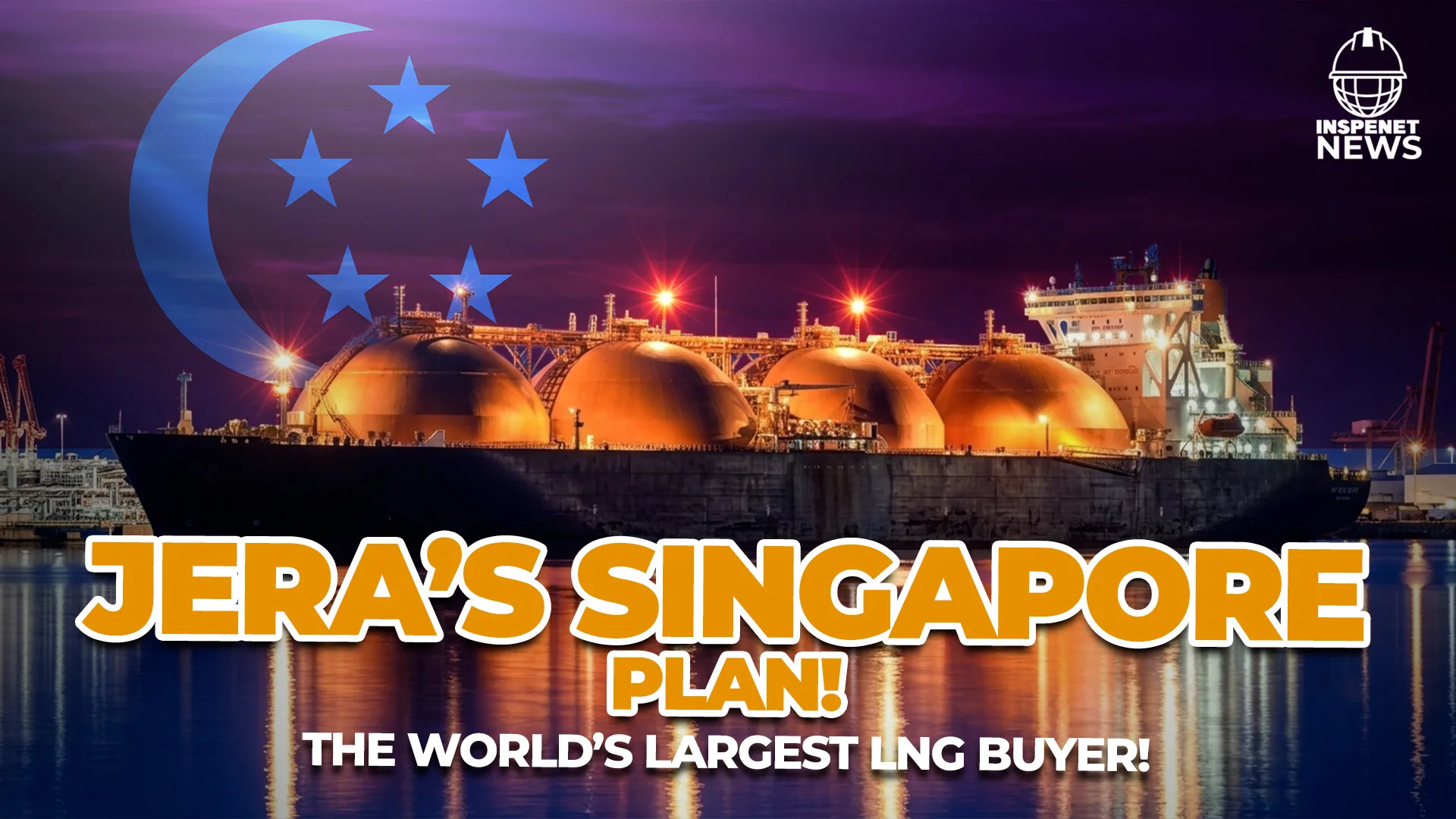
JERA reorganizes its LNG strategy with a subsidiary in Singapore
JERA took a step in reorganizing its international business with the creation of JERA Global Energy Solutions (GES) , a subsidiary based in Singapore that will handle strategic planning , investments, and long-term liquefied natural gas (LNG) procurement . The company launched this structure on July 1, 2026, as part of a strategy to respond more quickly to an increasingly dynamic energy market.
The new company will be led by Irtiza Sayyed, an executive with extensive experience in the international energy sector. From Singapore, she will coordinate a specialized team that will drive the expansion of JERA's global supply portfolio and strengthen relationships with producers in various regions.
Singapore becomes the center of international strategy
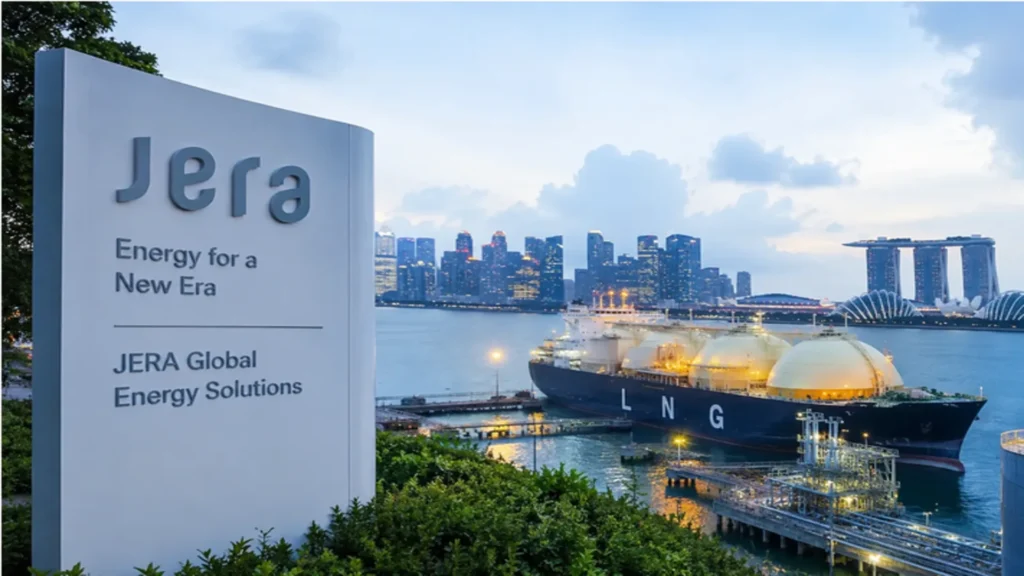
Singapore was chosen because of its position as one of the world's leading energy trading hubs. The city-state is home to producers, traders, and financial institutions involved in the liquefied natural gas market , and also offers access to suppliers located in the Atlantic, the Middle East, and the Pacific Rim.
For JERA, operating from this platform will facilitate the negotiation of international contracts and allow for a faster response to changes in fuel prices and availability. The company manages between 35 and 40 million tons of LNG annually, a volume that places it among the players with the greatest negotiating power in the global market.
How will the functions be distributed within JERA?
The reorganization establishes a clear division between strategic activities and commercial operations.
While JERA Global Energy Solutions will focus on long-term procurement, corporate planning, and international investments, JERA Global Markets will continue to manage trading operations and shorter-term contracts. This structure aims to streamline decision-making without sacrificing negotiating power in an environment where volatility continues to define the energy market.
Strategic supervision will continue under the direction of Ryosuke Tsugaru from Japan, maintaining coordination between the different areas of the group.
JERA reinforces its commitment to hydrogen and ammonia
In addition to liquefied natural gas , the new subsidiary will play a key role in developing lower-carbon fuels. Its responsibilities include exploring opportunities related to hydrogen and ammonia, two resources that Japan considers essential for reducing emissions within its electricity system.
The development of international alliances will expand access to these fuels and support projects that will accompany the energy transition in the coming years.
Impact on the Asian LNG market
JERA's decision could also influence the functioning of the regional market. By concentrating its acquisition strategy in Singapore, the company could improve efficiency in procuring supplies and promote greater transparency in transactions linked to the Japan Korea Marker (JKM) index, the benchmark for LNG prices in Asia.
At the same time, the move coincides with a scenario of growing demand in economies such as India and several Southeast Asian countries, while new liquefaction projects in the United States and Qatar will begin to incorporate a greater volume of supply between 2026 and 2030.
A long-term oriented strategy
With this reorganization, JERA strengthens its capacity to manage one of the world's largest liquefied natural gas portfolios from a strategic hub for international trade. The creation of JERA Global Energy Solutions also expands the company's reach into areas such as hydrogen and other lower-carbon fuels, preparing its structure to respond to the changes taking place in the global energy market.
News of additional interest
Fire hits petrochemical complex in India
A fire on a pipeline transporting naphtha at the Haldia Petrochemicals complex in West Bengal injured more than 20 workers and killed one person. The blaze mobilized numerous emergency units that worked for several hours to bring it under control, while authorities launched an investigation to determine the cause of the incident.
The company reported that one of the preliminary hypotheses points to possible illegal naphtha extraction near the facility, although the investigation is ongoing. The disruption of operations could affect the supply of raw materials used to manufacture plastics, textiles, and other chemicals, given the complex's importance to India's petrochemical industry.
Yara strengthens its production with a purchase in Texas
Yara International announced the acquisition of an ammonia plant in Texas for US$1.3 billion. The facility has the capacity to produce 1.3 million tons per year and is currently being commissioned, with the goal of reaching full capacity before the end of 2026. The acquisition expands the company's presence in North America and strengthens its ability to meet the demand for fertilizers and other chemicals.
The transaction includes the entire plant infrastructure and maintains the existing industrial supply agreement with Air Products to support its operations. In addition to increasing its own production, Yara will explore options to reduce the facility's emissions through carbon capture technologies and the gradual use of low-emission hydrogen in its processes.
XRG expands its presence in the US LNG business.
XRG has completed the acquisition of an additional stake in trains 4 and 5 of the Rio Grande LNG project in Texas. This transaction gives the company a stake in all five trains currently under construction at one of the world's largest liquefied natural gas export facilities. The deal also strengthens its growth strategy in North America and expands its presence in a market considered strategic for international energy supply.
The new trains will have a combined capacity of approximately 12 million tons of LNG per year and already have long-term supply contracts with international customers. The project is expected to begin production in the first half of 2027 and will generate thousands of jobs during construction, as well as permanent positions once operational.
MODEC advances with the Gato do Mato FPSO
MODEC has completed the construction of the forward section of the Gato do Mato FPSO hull at a shipyard in Japan and shipped it to China for further assembly. There, it will be joined to the aft section, which is still under construction, as part of a work plan that allows different stages of the project to be developed simultaneously, thus improving delivery times and production capacity.
The unit will be the first to incorporate the company's Next Generation Hull design and will have the capacity to produce approximately 120,000 barrels of oil per day. The FPSO will operate in deep waters off the coast of Brazil as part of the project led by Shell in partnership with Ecopetrol and will feature a mooring system designed to operate at depths of around 2,000 meters.