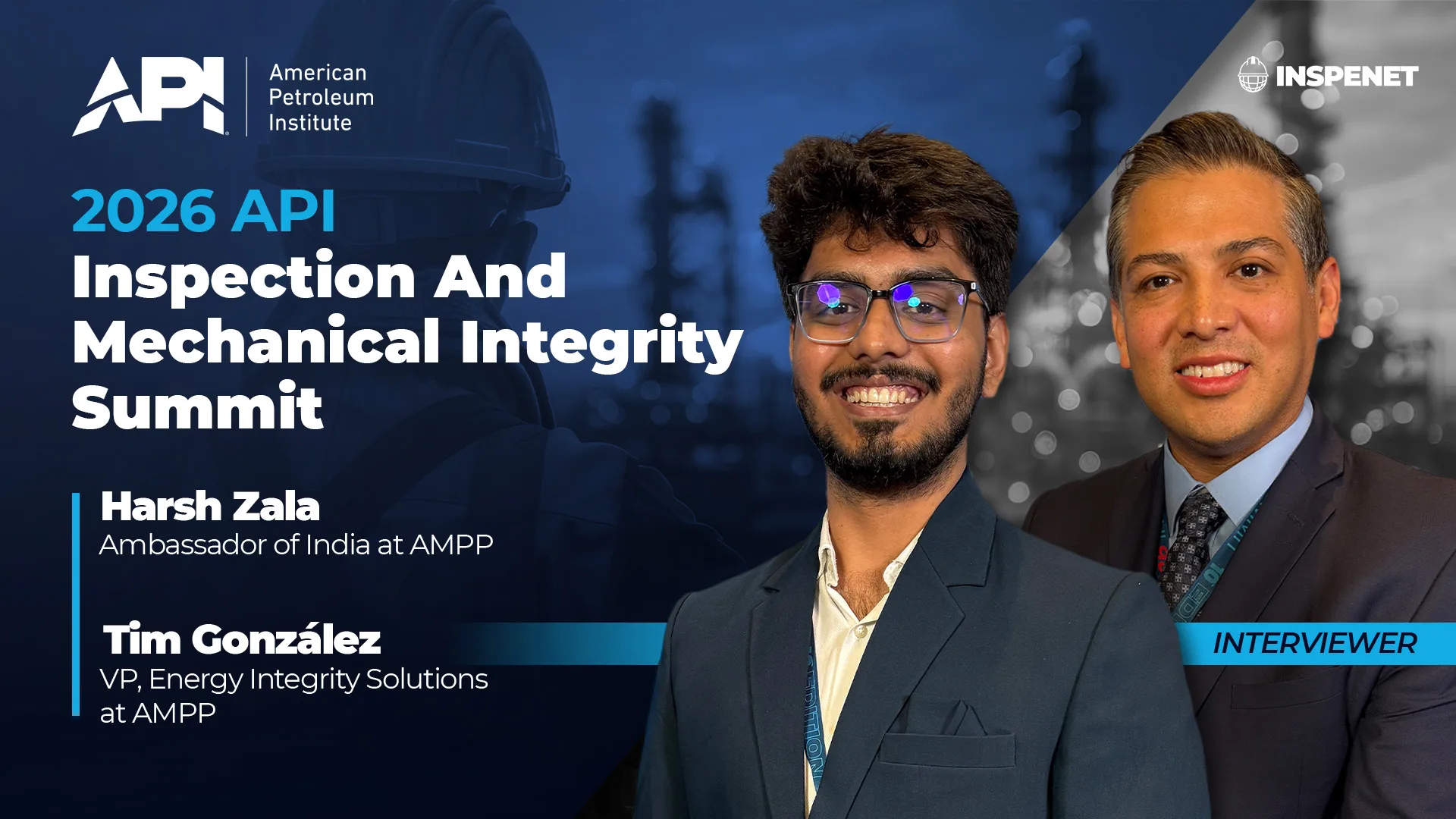
AMPP strengthens its role in India in addressing the challenge of corrosion
India's industrial growth is transforming the landscape of sectors such as oil and gas, petrochemicals, energy, and infrastructure. The expansion of new facilities and the aging of a significant portion of existing assets have made corrosion management and asset integrity priorities for operators and facility owners.
In this context, AMPP is strengthening its presence in the country with the aim of bringing international standards, certification programs, and specialized training to an industry that demands qualified professionals and increasingly advanced maintenance strategies. This is explained by Harsh Zala, AMPP ambassador and ASINT specialist, who highlights that India represents one of the markets with the greatest potential for the organization due to the continuous growth of its industrial fabric.
According to him, the country's evolution is creating an environment where companies seek to increase the reliability of their assets, prolong their useful life, and reduce costs associated with failures caused by corrosion. This situation opens up a wide field of action for organizations that promote best practices in material protection and asset management.
India bets on corrosion prevention
In recent years, India has increased investments aimed at expanding its energy and industrial capacity. Companies such as GAIL, Indian Oil Corporation (IOCL), and Reliance continue to develop projects related to refineries, gas transportation networks, petrochemical facilities, and other strategic infrastructures.
At the same time, many facilities built decades ago remain in operation and require specific programs to ensure their safe and efficient operation. This balance between new infrastructure and long-established assets makes corrosion management an important aspect of maintaining facility availability.
Harsh Zala explains that this scenario is fostering a change in mindset within the industry. More and more organizations are replacing strategies based solely on corrective actions with preventive programs that allow risks to be identified before they become operational problems.
The adoption of international standards also contributes to harmonizing procedures, facilitating decision-making, and establishing common technical criteria among operators, contractors, and specialized service providers.
AMPP promotes standards and specialized training
In this context, AMPP plays a relevant role as an organization dedicated to the development of technical standards, professional certifications, and training programs related to material protection, industrial coatings, cathodic protection, and corrosion management.
This vision is also closely aligned with the work of Tim Gonzalez, Vice President of Energy Integrity Solutions at AMPP, whose role focuses on strengthening initiatives aimed at improving the integrity, reliability, and protection of energy-sector assets. His involvement reinforces the organization’s approach to integrating corrosion management with the evolving challenges facing today’s energy infrastructure.
Its activity brings together professionals, companies, academic institutions, and public bodies with the aim of sharing knowledge and promoting good practices that improve the reliability of industrial assets.
For Harsh Zala, one of AMPP's greatest contributions is offering a common technical language for professionals from different countries. The application of internationally recognized standards helps projects adopt proven methodologies and contributes to raising the technical level of the entire value chain.
Likewise, the organization maintains an extensive catalog of certifications that allow professionals to accredit their competencies in different disciplines related to corrosion protection. These accreditations are recognized by companies in numerous markets and represent a professional development tool for engineers, inspectors, technicians, and specialists.
Specialized training gains prominence in the industry
One of the most prominent messages from the interview is the importance of human capital in addressing the challenges posed by India's industrial expansion.
Harsh Zala believes that advanced technologies are insufficient if organizations do not have professionals prepared to apply them correctly. Continuous training and specialization play a decisive role in an environment where projects are increasingly complex and technical requirements constantly evolve.
AMPP certifications validate specific knowledge and offer companies an objective reference regarding the capabilities of professionals responsible for designing, inspecting, and maintaining their assets.
From the interviewee's perspective, this training also generates new job opportunities. Certified professionals can access international projects and develop their careers in different regions of the world thanks to the global recognition of these accreditations.
This aspect is especially relevant for an industry that needs to incorporate new specialists while facing a generational handover in numerous technical areas.
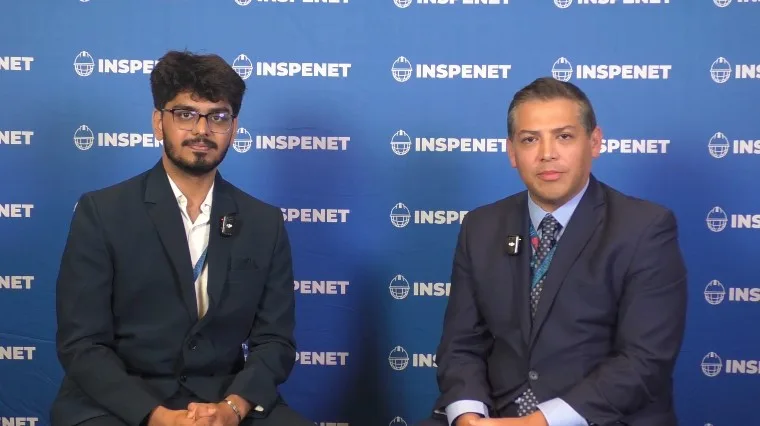
Corrosion management begins from the design phase
Another aspect that Harsh Zala highlights during the interview is the need to address corrosion management from the earliest stages of any industrial project.
Waiting for the first problems to appear usually translates into higher maintenance costs, unplanned shutdowns, and a reduction in the useful life of assets. On the contrary, integrating protection criteria from the design phase minimizes risks and optimizes the performance of facilities throughout their entire life cycle.
This strategy includes decisions related to material selection, the application of appropriate coatings, cathodic protection, inspection programs, and maintenance planning.
The combination of these measures reduces the probability of failures and increases the availability of critical infrastructures in sectors where operational continuity is an essential factor.
Likewise, the use of methodologies based on international standards facilitates the implementation of consistent processes and the continuous improvement of asset integrity programs.
India consolidates as a strategic market for AMPP
The evolution of the Indian market makes the country one of the most interesting focal points for organizations linked to corrosion management and material protection.
Increased industrial investment, the construction of new facilities, and the need to keep assets with decades of service operational generate a growing demand for technical knowledge, specialized professionals, and solutions aimed at improving reliability.
In this context, the work of AMPP specialists and leaders such as Tim Gonzalez, becomes particularly relevant as the industry seeks to connect corrosion management with broader strategies for asset integrity, operational reliability, and the extension of critical infrastructure service life.
For Harsh Zala, this combination of factors places India in a particularly favorable position to expand the adoption of international standards and strengthen the training of technical personnel.
The interviewee believes that collaboration between companies, educational institutions, and technical organizations will be fundamental to respond to the needs of an industry that continues to grow at a high speed.
From learning to leadership at AMPP
Harsh Zala's personal experience also reflects the value that active participation within the AMPP technical community can bring.
His journey began as a student interested in expanding his knowledge of corrosion management and material protection. Over time, this involvement allowed him to take on new responsibilities until he became an ambassador for the organization.
During this process, he highlights the importance of knowledge exchange with professionals from different countries, access to specialized training, and opportunities for international collaboration as elements that have contributed to his professional development.
This experience constitutes an example of the role played by technical communities in connecting talent, sharing experiences, and promoting the dissemination of best practices within an increasingly global industry.
Corrosion will shape the future of industry
The industrial transformation that India is experiencing presents significant opportunities to improve the reliability and useful life of strategic infrastructures. In this scenario, corrosion management is no longer understood as a punctual action but becomes an integrated discipline within the entire life cycle of assets.
The combination of international standards, specialized training, and professional development positions AMPP as a benchmark for accompanying this evolution. As the country continues to expand its industrial and energy capacity, the adoption of these practices will help companies and professionals face the technical challenges of the coming years with greater assurance.
For more content on API Summit 2026, visit our LinkedIn profile.
Source: Inspenet.