The energy sector is undergoing one of the most significant transformations in recent decades. The energy transition, the reconfiguration of global supply chains, industrial electrification, and geopolitical tensions have once again placed energy at the center of economic and strategic decision-making worldwide. What was once considered a purely technical issue has now become a determining factor in national competitiveness, investment attraction, and global industrial positioning.
This transformation is so profound that it can be observed by the speed at which investments in energy technologies are growing. According to the International Energy Agency (IEA), global energy investment is expected to exceed $3 trillion in 2025, with nearly $2 trillion directed toward clean technologies such as renewable energy, electrification, energy storage, and power grids. This level of investment reflects not only a deep technological shift, but also a complete redefinition of the world’s economic and geopolitical priorities.
The energy transition is no longer solely about reducing emissions. Today, it is also closely tied to energy security, industrial resilience, and technological sovereignty. Russia’s invasion of Ukraine in 2022 exposed the vulnerabilities created by dependence on a single region or supplier for energy resources. Prior to the conflict, Russia supplied approximately 40% of the natural gas consumed by the European Union. Following the outbreak of war, Europe was forced to accelerate the diversification of its energy sources, expand liquefied natural gas imports, and strengthen investments in renewable energy and critical infrastructure.
At the same time, the accelerated growth of clean technologies is reshaping global industrial dynamics. Transportation electrification is advancing at an unprecedented pace. According to international data, global electric vehicle sales surpassed 17 million units in 2024, representing nearly 20% of worldwide new car sales. This growth is transforming not only the automotive industry, but also sectors such as mining, advanced manufacturing, electrical infrastructure, and energy storage.
Naturally, this transition has also introduced new strategic challenges. The increasing demand for critical minerals such as lithium, copper, nickel, cobalt, and rare earth elements has intensified international competition for access to strategic resources. The World Bank estimates that global demand for minerals linked to clean technologies could increase by as much as sixfold by 2040. This has created a new geopolitical landscape in which mineral resources and associated industrial capabilities are acquiring an importance comparable to the historical importance of oil and natural gas.
China currently occupies a dominant position across several strategic supply chains. The International Energy Agency notes that the country accounts for more than 70% of global lithium and cobalt refining capacity, while also leading battery and solar panel manufacturing. In response, the United States and the European Union have promoted industrial policies aimed at strengthening domestic capabilities and reducing external dependencies.
Latin America, meanwhile, faces a historic opportunity. The region possesses abundant mineral resources, significant renewable energy potential, and a strategic position within emerging global supply chains. Countries such as Chile and Argentina hold some of the world’s largest lithium reserves, while Brazil and Mexico possess manufacturing capabilities that could facilitate integration into industries associated with the energy transition.
Mexico occupies a unique position within this global transformation. Its proximity to the United States, industrial integration under the USMCA framework, and the nearshoring phenomenon have significantly increased international interest in the country as a platform for advanced manufacturing. According to estimates from the Inter-American Development Bank, production relocation processes could generate up to $78 billion in additional exports for Latin America, with Mexico positioned as one of the principal beneficiaries.
However, future industrial competitiveness will increasingly depend on the availability of reliable and competitive energy. Industries such as semiconductors, advanced manufacturing, data centers, artificial intelligence, and electric mobility require highly robust and reliable electrical systems. Energy is once again becoming a central factor in industrial location decisions.
The International Energy Agency estimates that global electricity consumption could increase by nearly 80% by 2050 under accelerated energy transition scenarios.
This growth is driven not only by population increases, but also by the expansion of electrification across virtually every economic sector. From mobility to climate control and industrial processes, electricity will play an increasingly dominant role within the global energy system.
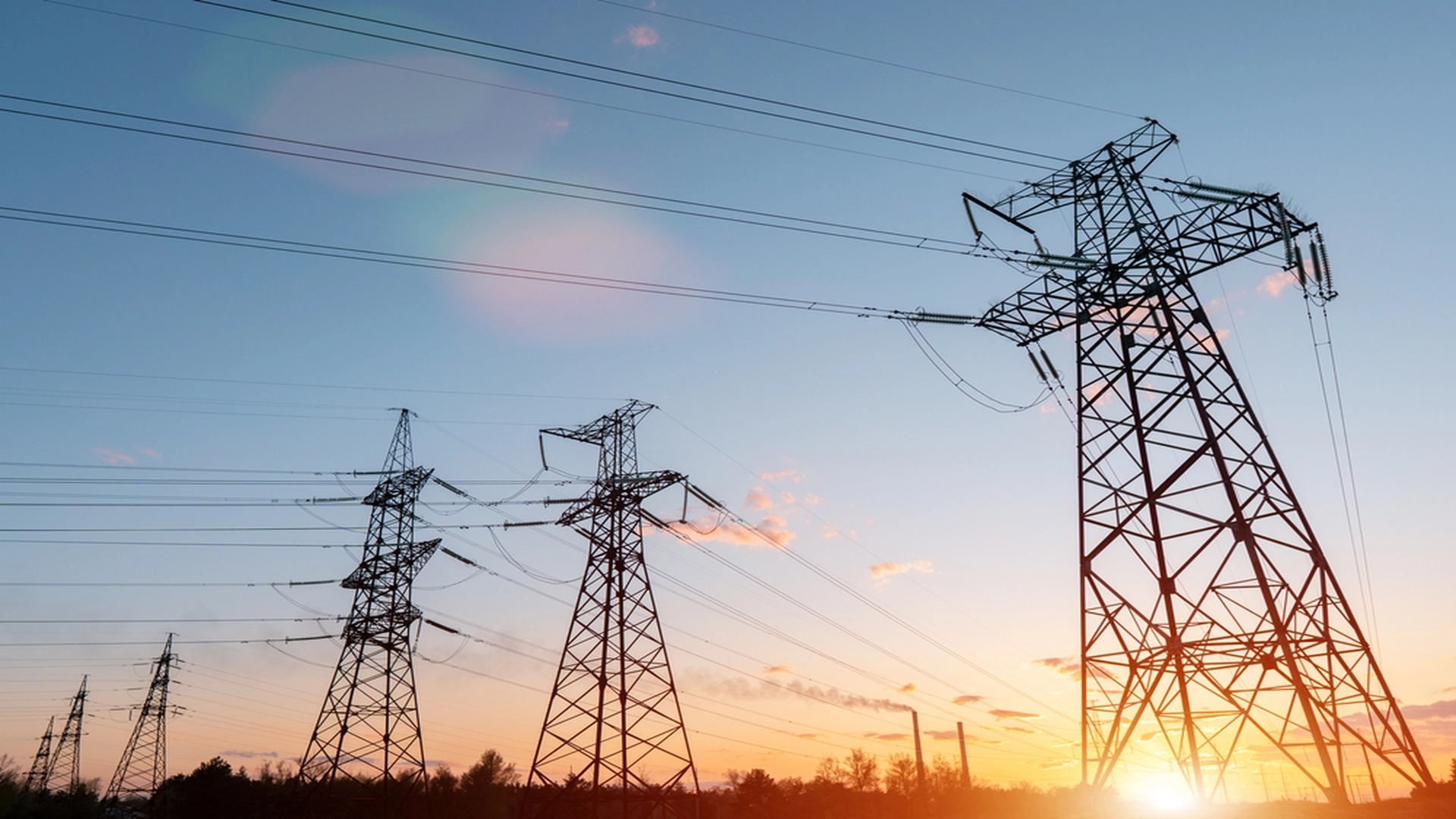
This new environment intrinsically redefines the role of energy infrastructure. Power grids, energy storage systems, regional interconnections, and transmission modernization have become strategic assets essential to sustaining economic competitiveness. The IEA itself estimates that global investment in power grids will need to double by 2030 to keep pace with the energy transition and avoid bottlenecks within electrical systems.
Energy storage represents another of the fastest growing segments. These technologies will be fundamental for integrating variable renewable sources such as solar and wind, stabilizing power grids, and supporting the electrification of industrial and transportation sectors. In parallel, clean hydrogen is beginning to consolidate its position as a strategic component within long-term energy planning. The IEA reports that more than one thousand hydrogen projects have already been announced worldwide, representing potential investments exceeding $300 billion by 2030.
The energy transition is also redefining corporate leadership and the way companies build strategic positioning. Investors and international markets are increasingly focused on ESG-related criteria. Companies capable of integrating energy innovation, operational efficiency, and long-term vision will hold stronger competitive advantages within an economic environment shaped by an expanding range of interconnected factors.
The energy industry therefore stands at a historic inflection point. The world is simultaneously moving toward an economy that is more electrified, more digitalized, and increasingly technologically interdependent. The ability to build reliable infrastructure, secure strategic supply chains, and develop specialized talent will define which regions and companies lead the next global industrial cycle.
Ultimately, the true challenge lies in understanding that energy can no longer be analyzed in isolation. Today, it is deeply interconnected with geopolitics, industrial development, international trade, technological innovation, and economic security. In this new landscape, the energy transition does not simply represent a change in the energy matrix; it represents a complete redefinition of the global economic model.
This article was developed by Yolanda Villegas of AMAEM and published as part of the eighth issue of Inspenet Brief magazine (July 2026), dedicated to technical content in the energy and industrial sectors.