
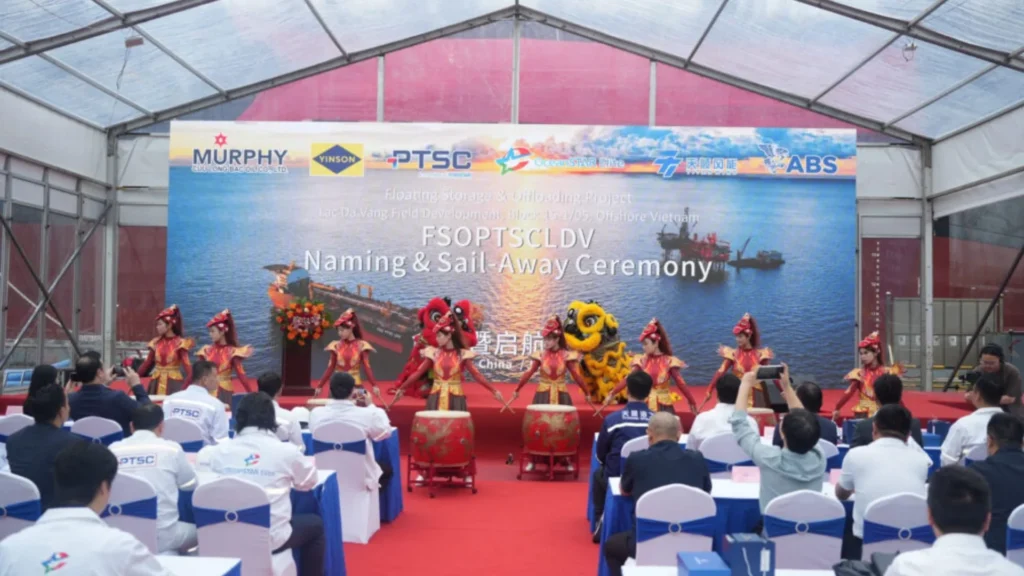
Yinson Production secures deployment of FSO PTSC Lac Da Vang in Vietnam
The floating storage vessel will commence operations at Murphy Oil's field during the fourth quarter of 2026.
The floating storage vessel will commence operations at Murphy Oil's field during the fourth quarter of 2026.
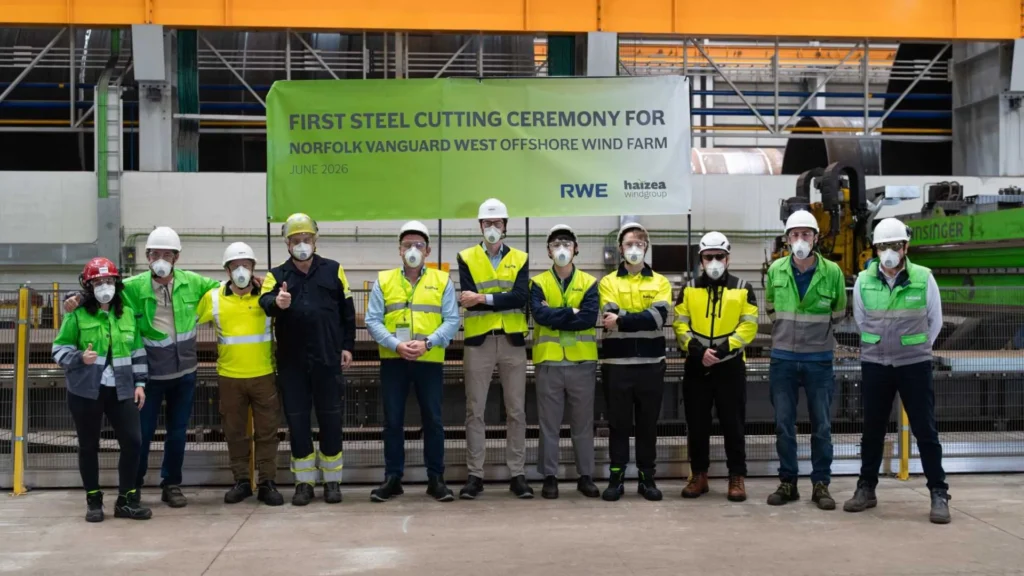
The Vizcaya-based company consolidates its position in the European offshore wind sector with the manufacture of support structures for the 1.4-gigawatt farm.
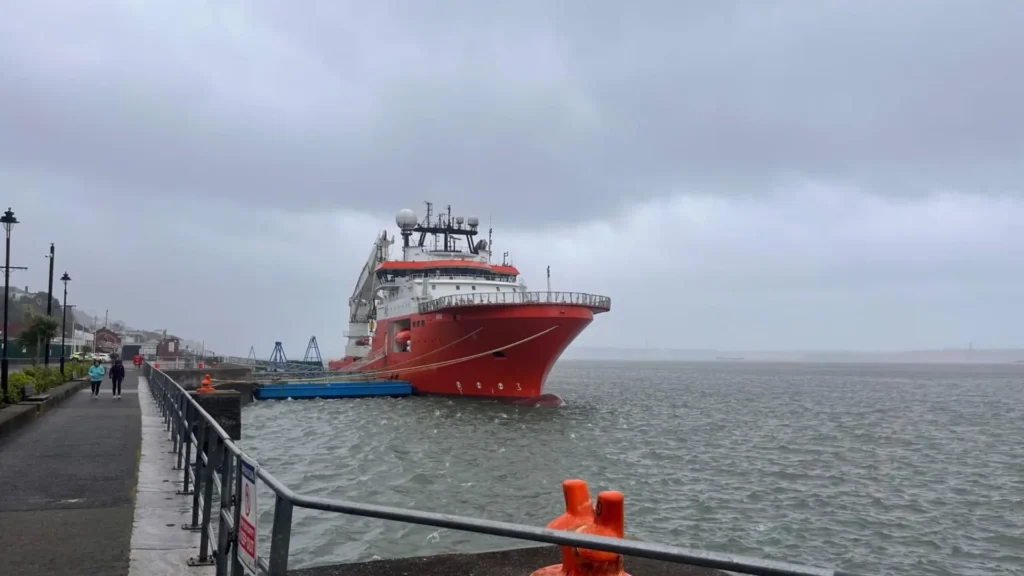
The departure of the TSV AETHRA vessel marks the conclusion of maritime operations managed by Ronayne Shipping off the coast of Youghal.
The commercial agreement will supply the alumina refineries between 2027 and 2030 through the utilization of state processing energy infrastructure.

The Malaysian corporation assumes full control of offshore blocks 19 and 20 to enhance hydrocarbon exploration.

The technology agreement will optimize critical turbomachinery infrastructure to drive the region's transition strategy toward low-emission fuels.
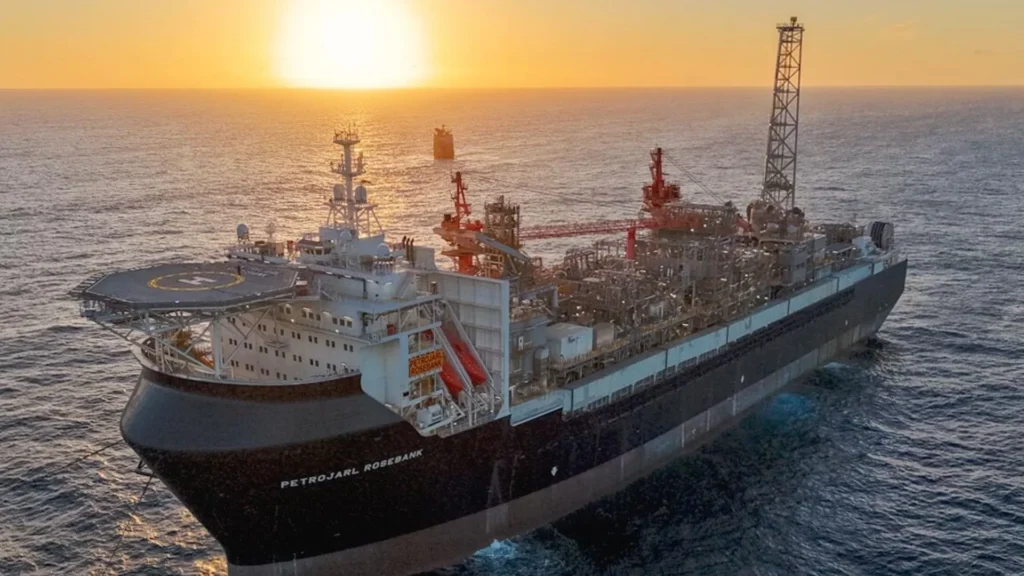
The energy company is seeking to reconfirm regulatory approval for two fields that will supply 10% of the UK’s natural gas.
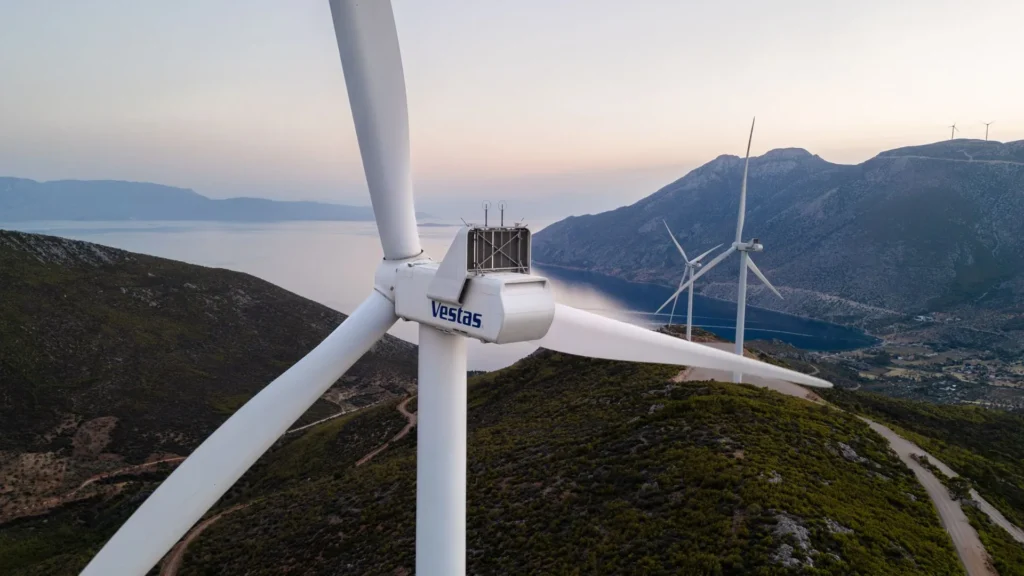
The Danish manufacturer will supply seven V136-4.2 MW turbines and manage the plant's operational maintenance for a decade.
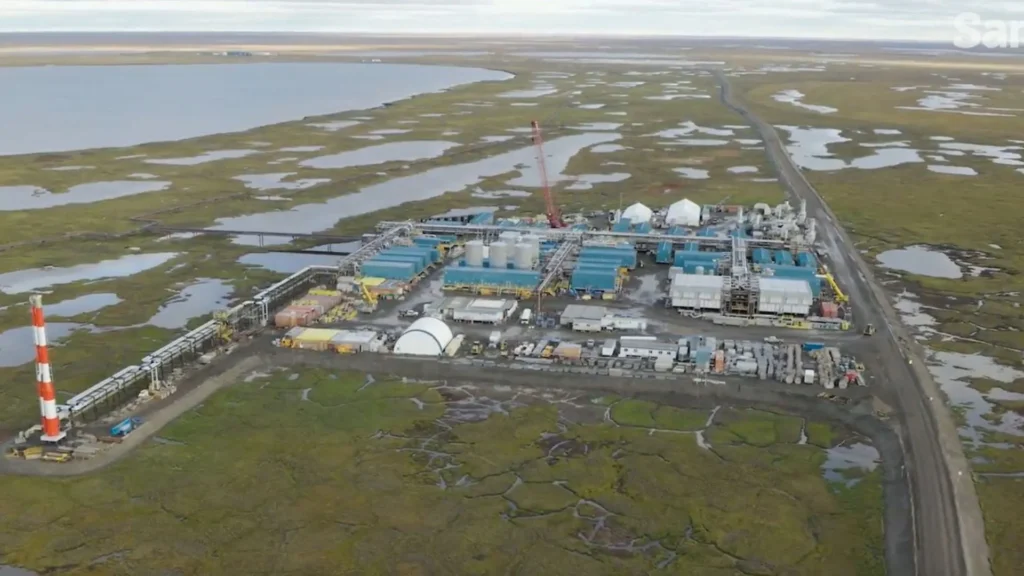
The Australian company is operating with an initial output of 20,000 barrels per day and expects to reach 80,000 barrels in the third quarter of 2026.
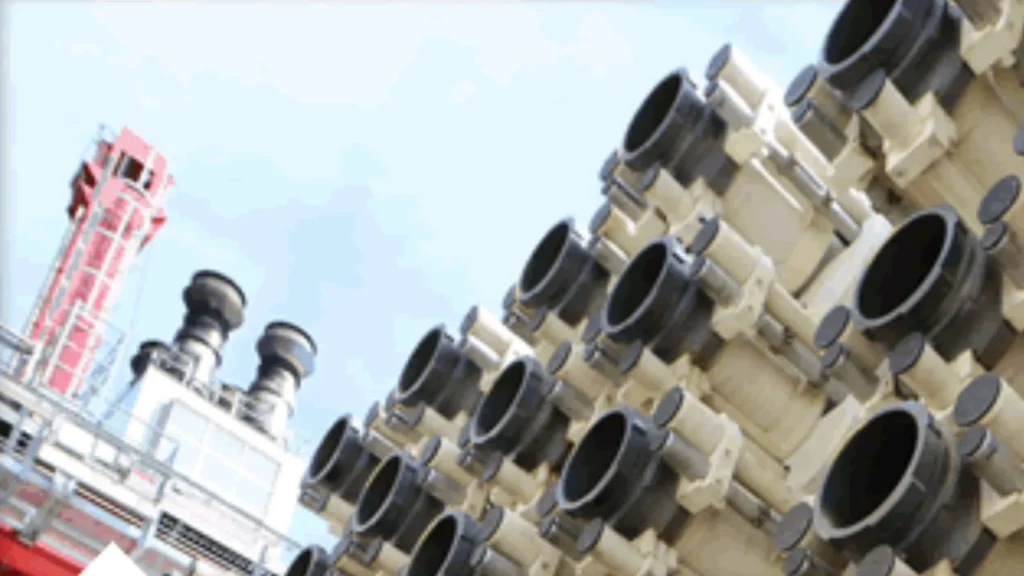
The state-owned oil companies of Brazil and Mexico sign a two-year memorandum of understanding to develop joint projects in the Gulf of Mexico.
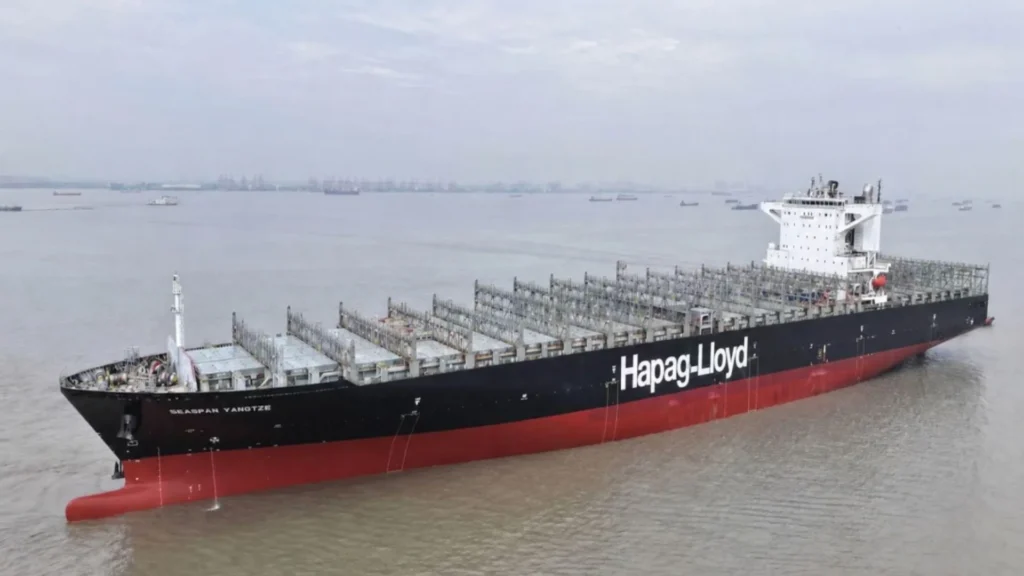
The Everllence division executes the first of five scheduled upgrades, reducing the cargo vessel's EEXI index by 55% below the global standard.

The company extends the deadline to July 31, 2026, while awaiting final approval to begin drilling in 2027.