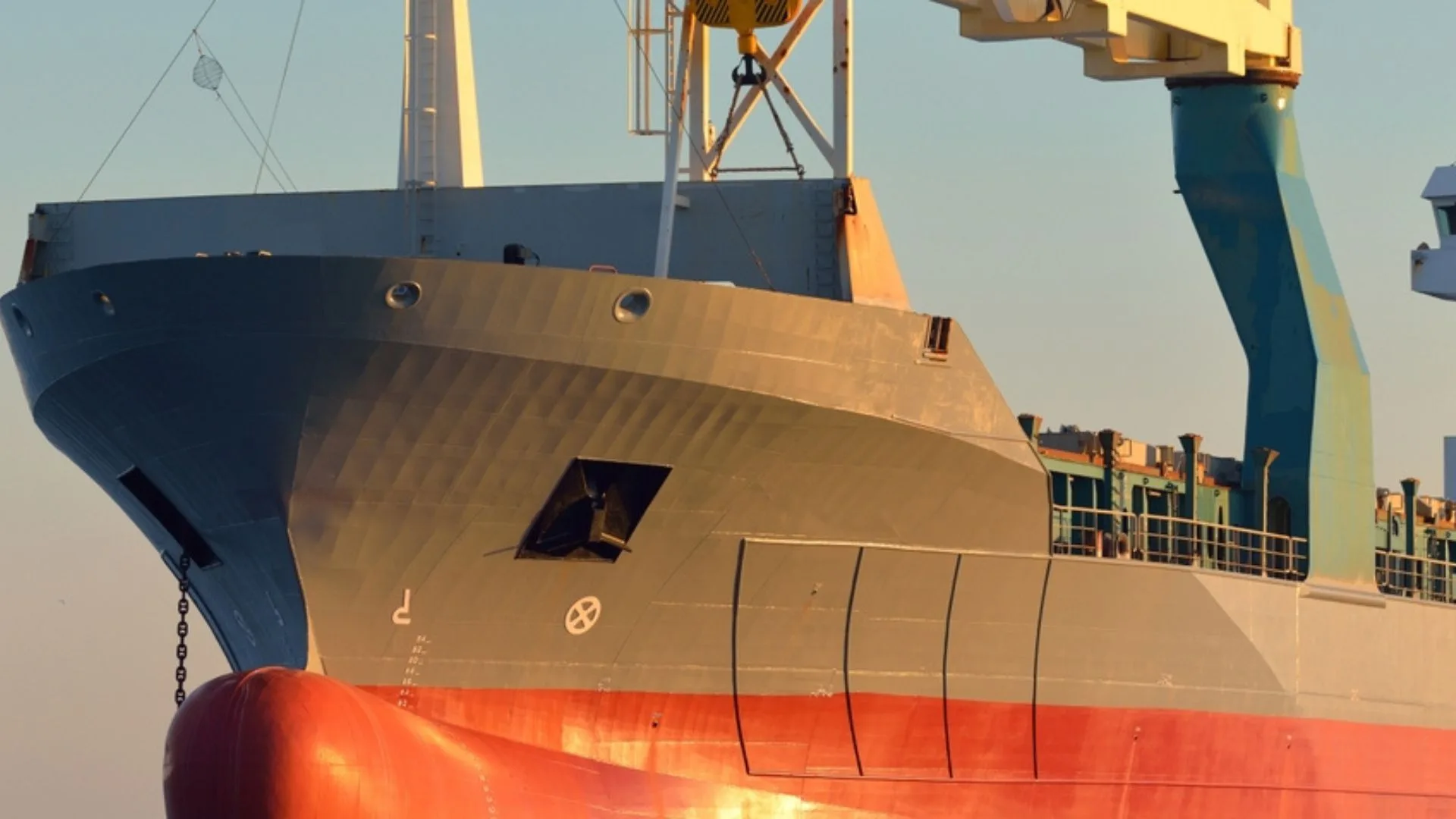
Vale plans to significantly expand its fleet of ore carriers equipped with rotor sails, a wind-assisted propulsion technology aimed at reducing fuel consumption, containing logistics costs, and improving the efficiency of maritime iron ore transport to Asia.
Vale’s sail-equipped fleet will reach at least 20 vessels
Currently, the Brazilian miner operates eight vessels equipped with this technology. However, the company expects to raise that figure to at least 20 ships over the next three years, as part of a strategy focused on energy efficiency, emissions reduction, and lower dependence on marine fuel.
According to Rafael Fischer, Vale’s general manager of maritime transport, the cylindrical rotor sails installed on the vessels can reach a height comparable to a 10-story building. On transoceanic routes, these systems harness wind energy to assist navigation and reduce the use of bunker fuel.
In addition, Fischer noted that fuel savings can reach up to 10%, depending on the type of vessel and operating conditions. That margin is significant for a company that transports large volumes of iron ore from Brazil to China, one of its main markets.
Energy efficiency amid fuel volatility
Moreover, Vale’s decision comes in a context of pressure on freight costs. Marine fuels have shown volatility due to geopolitical tensions in the Middle East, and that scenario directly affects long mining export routes.
In this regard, energy efficiency provides operational protection. By consuming less fuel, vessels reduce their exposure to fluctuations in bunker fuel prices. For Vale, this advantage has added value due to its distance from the Chinese market.
While Australian producers have shorter routes to Asia, Vale must offset a structural geographic disadvantage. Therefore, the company is using innovation in maritime transport as a tool to improve its competitiveness in the international trade of iron ore.
Vessels powered by ethanol, methanol, and conversion options
Likewise, the Brazilian miner is advancing a strategy of energy flexibility. Earlier this month, Vale announced a 25-year charter agreement with China’s Shandong Shipping Corporation to build two ethanol-powered transoceanic vessels equipped with sails.
These ships will also be able to operate on methanol or conventional fuel. In addition, they will include future conversion options for liquefied natural gas and ammonia, which would give the company a broader portfolio of available fuels depending on price, availability, and environmental regulation.
According to Fischer, the ability to use at least five fuels will make it possible to adapt the fleet to different market conditions. This flexibility is key in an industry where logistics costs, decarbonization requirements, and energy availability change rapidly.
Mining logistics with a lower carbon footprint
Finally, the expansion of Vale’s sail-equipped fleet reflects a broader trend in global mining: reducing emissions associated with the logistics chain without losing competitiveness. Maritime transport is a critical component for major iron ore producers, and any efficiency improvement can impact operating margins.
With rotor sails, alternative fuels, and long-term agreements, Vale aims to strengthen its position in the Asian market while reducing its energy consumption. The initiative combines efficiency, decarbonization, and cost control on one of the most important maritime routes for global commodities trade.
Source: Reuters
Photo: Shutterstock