Textual note taken from the Association for Materials Protection and Performance (AMPP) on Jun 30, 2026
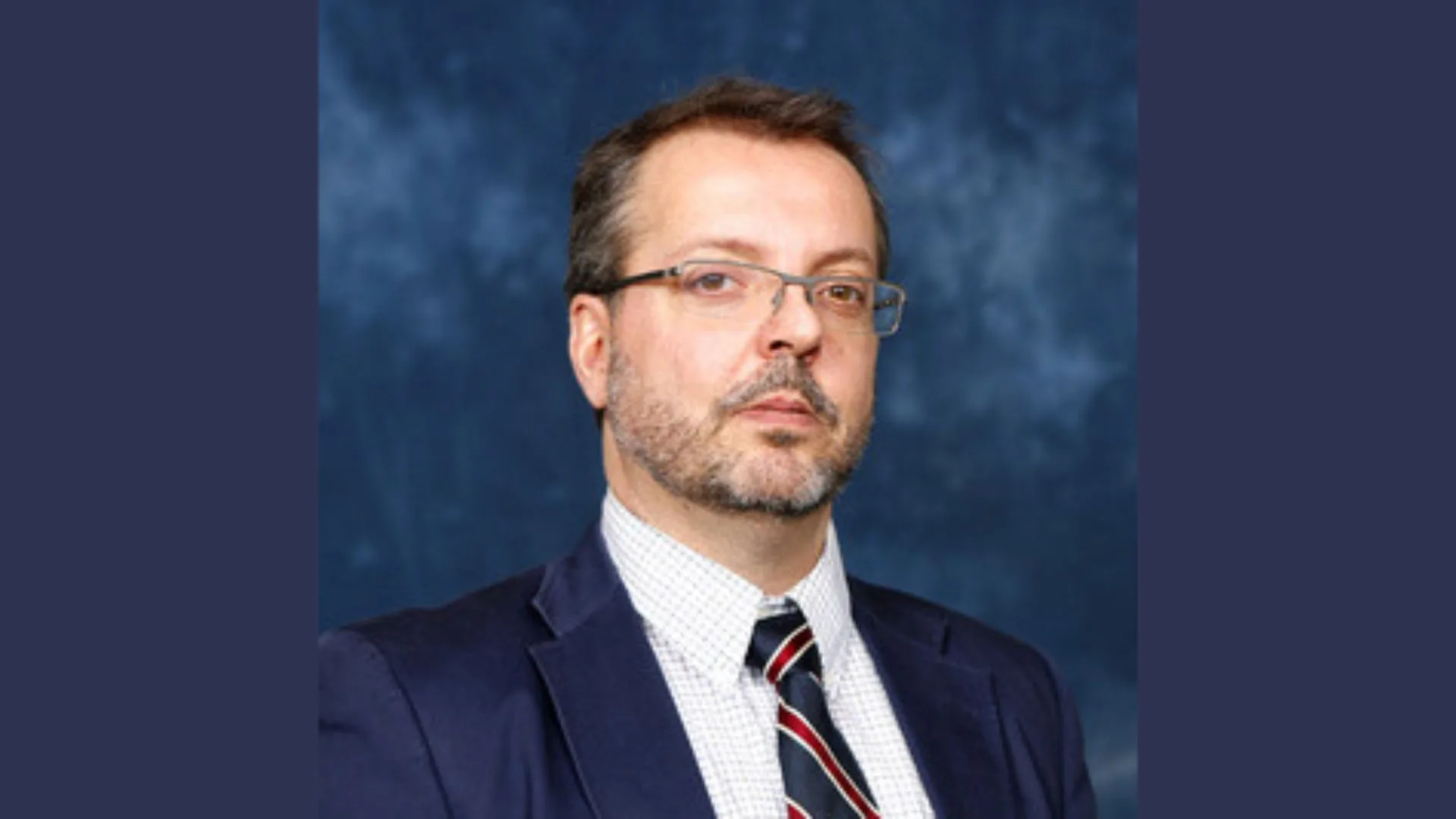
Houston, Texas – (June 29, 2026) — The Association for Materials Protection and Performance (AMPP) is proud to recognize David M. Bastidas, Ph.D., AMPP Fellow and Business Development Manager – Energy Sector, for his leadership as an Event Chair at the 3rd International Online Conference on Corrosion and Materials Degradation (CMD 2026), to be held 30 June –2 July 2026.
The conference brings together researchers and engineers from around the world to share the latest thinking on corrosion science and engineering, materials degradation, monitoring, mitigation, and emerging technologies. As Event Chair, Dr. Bastidas will be part of an international leadership team representing leading institutions across the globe, including Australia, Sweden, and the United States.
In addition to helping guide the overall program, Dr. Bastidas will chair the technical session on electrochemical corrosion mechanisms at the interface. The session will focus on advancing understanding of localized corrosion and passivity, as well as new electrochemical and nanoscale characterization techniques shaping the future of materials protection. He will play a visible role throughout the event, including welcoming participants during the opening and closing remarks sessions.
This year’s conference will honor the memory of Professor Digby Macdonald, whose work reshaped the field of corrosion science and electrochemistry. Best known for developing the Point Defect Model, Professor Macdonald’s contributions continue to influence research in areas ranging from infrastructure durability to nuclear energy and materials science and engineering. The event will honor his legacy while highlighting new research inspired by his seminal work.
Professor Digby Macdonald fundamentally changed how we understand corrosion, and contributed to shaping the next generation of materials and corrosion professionals. It is both a privilege and a responsibility to help lead a conference that celebrates his impact while bringing together researchers from around the world. Collaboration like this is essential if we’re going to solve the complex materials challenges facing industries today.
said Dr. Bastidas.
Dr. Bastidas joined AMPP this month and focuses on strengthening relationships across the global energy sector while advancing technical collaboration and workforce development. He also serves as Honorary Professor at Deakin University in Australia and is widely recognized for his work in corrosion science, electrochemistry, and asset integrity.
Named among the world’s top 2% of scientists by Stanford University and Elsevier, Dr. Bastidas has authored more than 150 scientific publications. He serves as Associate Editor of Corrosion and Materials Degradation (MDPI) and Engineering Failure Analysis (Elsevier) and is a member of the Editorial Boards of Corrosion Engineering Science and Technology and npj Materials Degradation (Nature Portfolio).
Through active participation in leading global conferences such as CMD, AMPP experts continue to support collaboration, advance corrosion science and engineering, and drive the development of technologies that improve the safety and reliability of critical infrastructure worldwide.
Learn more about AMPP at https://www.ampp.org.
ABOUT AMPP
The Association for Materials Protection and Performance (AMPP) is a global leader dedicated to the protection of assets and the performance of industrial and natural materials. Established in 2021, AMPP brings together nearly 150 years of combined expertise from legacy organizations to advance solutions that enhance safety, security, and sustainability across industries. Serving more than 41,000 members in over 150 countries, AMPP is the largest organization of its kind, providing innovative standards, certifications, training, and resources. Headquartered in the United States with offices in Houston and Pittsburgh, AMPP also operates regional offices in Brazil, Canada, China, Dubai (training center), Malaysia, Saudi Arabia, and the United Kingdom. www.ampp.org
Source and photo: AMPP