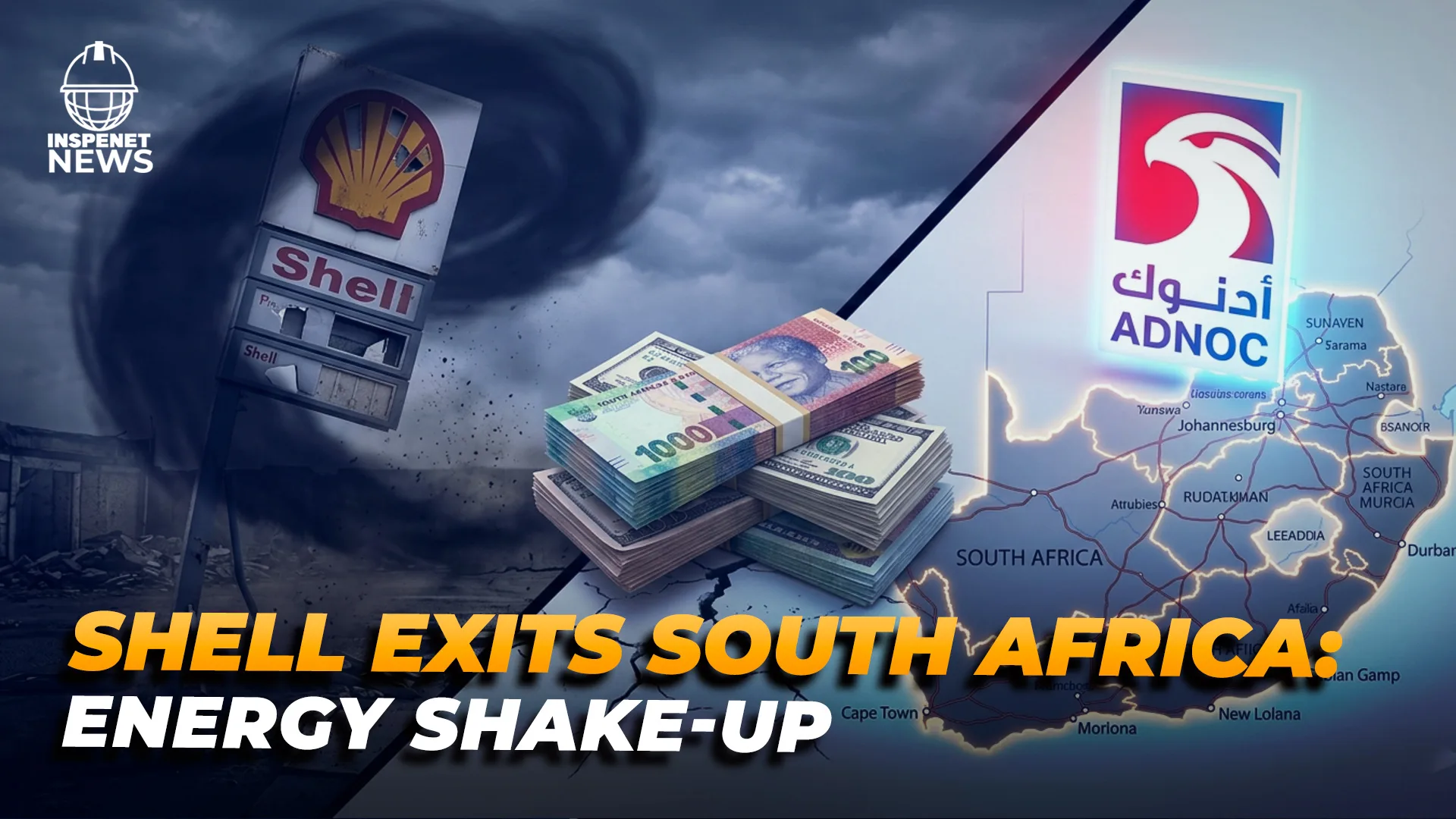
Shell negotiates sale of gas stations in South Africa
Amid a changing energy environment, Shell is in advanced discussions to sell its network of service stations in South Africa. The transaction, valued at approximately $1 billion, is part of its asset divestment strategy in markets where it seeks to reconfigure its presence.
Currently, the British company intends to divest approximately 600 points of sale, which would mark the end of an era spanning more than a century in the country.
ADNOC positions itself as primary buyer
The Abu Dhabi state oil company, ADNOC, has emerged as the best-positioned candidate to acquire these assets. Negotiations with the Gunvor group did not progress, which opened the way for the Emirati firm to gain an advantage in the process.
Furthermore, sources close to the matter indicate that the agreement could be finalized in the short term, possibly within the same quarter.
Scope of the transaction in the fuel market
The acquisition would grant ADNOC a market share of approximately 10% in the South African fuel market. This move would strengthen its presence in Africa and expand its distribution network outside the Middle East.
At the same time, the transaction represents a significant change in the structure of the local market, where new players seek to gain ground against traditional companies.
Shell's strategy: adjustment and divestment
In parallel, Shell continues to execute a strategy focused on the sale of non-core assets. The decision to exit the retail business in South Africa responds to the need to optimize its portfolio and adapt to a context of volatility in the energy sector.
It is worth noting that the company had already announced at the end of 2024 its intention to exit this segment in the region.
ADNOC accelerates its international expansion
Likewise, ADNOC is promoting an ambitious global growth plan. The company has announced investments of $150 billion between 2026 and 2030, with the objective of increasing its capacity and responding to energy demand.
In this context, the purchase of assets such as Shell's gas stations fits within its strategy to strengthen its presence in emerging markets.
Global energy sector: pressure and new opportunities
Finally, these negotiations are taking place in a scenario marked by geopolitical tensions and fluctuations in gas and oil production. This environment has led major companies to review their operations and prioritize markets with higher profitability.
In this way, the potential sale of gas stations in South Africa reflects how Shell adjusts its position while ADNOC advances in its expansion within the fuel market.
Additional news of interest
Japan launches multibillion-dollar plan for energy in Asia
Japan is preparing to announce a support package of approximately $10 billion with the objective of strengthening energy supply in Asia. The measure will be presented by Prime Minister Takaichi Sanae at a virtual summit of the AZEC plus initiative that brings together Japan with several Southeast Asian countries. The financing will be channeled through entities such as the Japan Bank for International Cooperation to facilitate access to oil from the United States and other markets.
The plan also seeks to strengthen the stability of important industries in the region such as the production of medical gloves and dialysis materials that are essential for Japan. Additionally, it includes technical support to implement oil storage and release systems similar to those in Japan, which would allow for increased energy reserves in Asia and improved response to potential supply crises.
New pipeline seeks to alleviate demand in the northeast
Williams initiated construction of the Northeast Supply Enhancement (NESE) project in New York with the objective of expanding natural gas supply in the northeastern United States. The project will connect existing infrastructure between Pennsylvania, New Jersey, and New York and will add sufficient capacity to supply approximately 2.3 million homes. The project already has federal and state permits and is expected to enter operation by the end of 2027.
The initiative seeks to meet growing energy demand during critical periods such as winter when consumption surges. In addition to improving supply stability, it also aims to reduce electricity costs over time. The development will generate thousands of jobs and contribute revenue to local economies while incorporating modern technology to reduce emissions and improve system efficiency.
PETRONAS secures fuel supply amid global tension
PETRONAS confirmed that the fuel supply at its network of stations is guaranteed until the end of June 2026, extending its previous forecast. The company maintains control of its supply chain amid the global energy crisis linked to the conflict in West Asia. It currently covers approximately 50% of national fuel demand while the remainder depends on other companies in Malaysia.
The company reiterated its commitment to maintaining stable supply and asked the public to avoid impulsive purchases or unnecessary stockpiling. According to the company, responsible consumption will allow supply to reach all users equitably during this period of pressure on energy markets.
Crude oil reserves grow against all expectations
The oil reserves in the United States increased by 6.1 million barrels during the last week, according to data from the American Petroleum Institute. The figure surprises the market as a decline was expected. This growth adds to the previous increase and occurs in a context where fears of global shortages persist. At the same time, crude oil prices registered sharp declines with Brent and WTI retreating markedly in recent days.
In parallel, the Strategic Petroleum Reserve continues to decline with an extraction of more than 4 million barrels to alleviate price pressure. Production also showed a slight weekly decline although it remains above last year's levels. Other data reflect mixed movements with increases in gasoline and declines in distillates, indicating changes in consumption and demand patterns.