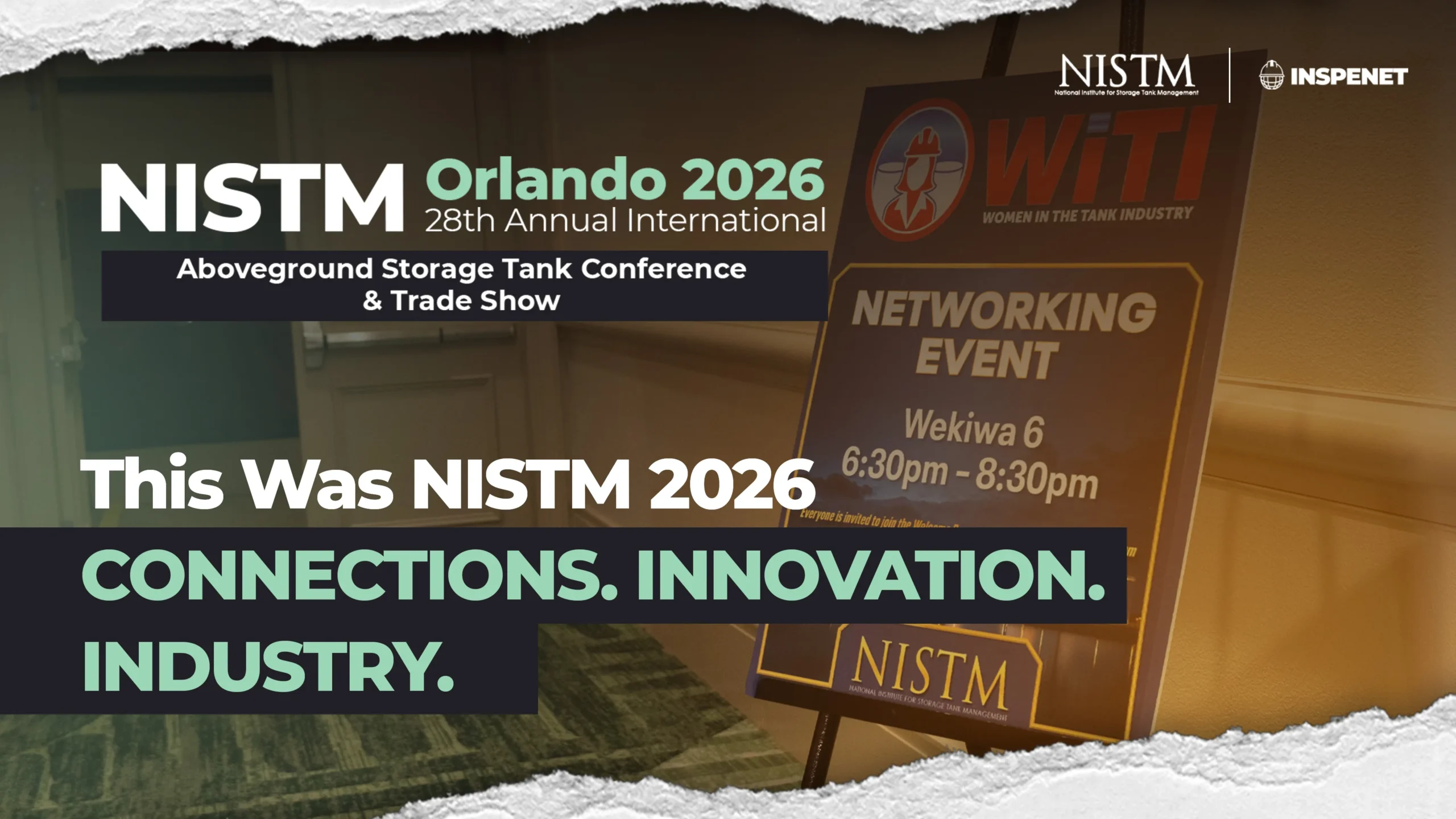
NISTM 2026 was a significant event for the technological and industrial community, with the participation of experts and leaders from various disciplines. At this gathering, the latest innovations in measurement technologies, automation, and cybersecurity were discussed, focusing on how these tools can improve industrial processes globally. This article summarizes the most relevant topics presented at the event, analyzing the technological implications and challenges that arise as the industry advances toward a more automated and interconnected future.
NISTM 2026: A meeting of innovation and global collaboration
The NISTM 2026 event was held in an environment that fostered international cooperation in the adoption of emerging technologies. With the participation of more than 1,000 attendees, including industry leaders, academics, and government representatives, the event underscored the importance of global standards to facilitate the implementation of new technologies in key sectors.
The central theme of the event revolved around improving industrial efficiency through the use of advanced technologies, such as smart sensors, artificial intelligence (AI), and the Internet of Things (IoT), with the goal of optimizing decision-making and real-time quality. In this context, NISTM served as a platform to discuss cybersecurity challenges and the urgent need for global regulation to ensure the security and interoperability of technologies.
Innovations and Advances in Measurement Technologies
One of the main areas of discussion at NISTM 2026 was the advancement in measurement technologies. Measurement systems are fundamental in all industrial sectors, from manufacturing to environmental management. This year, innovations were presented that promise to transform the way production processes are managed.
- Smart Sensors and Real-Time Control: The integration of smart sensors with automated systems is enabling the collection and analysis of data in real time, allowing companies to identify failures before they occur and optimize product quality. Advanced measurement systems are facilitating the detection of irregularities in manufacturing processes, which improves operational efficiency.
- Internet of Things (IoT): With IoT, interconnected devices are transforming industries by providing accurate data on the status of equipment and processes. This connectivity enables constant monitoring and the analysis of large volumes of data, which facilitates informed decision-making and improves the overall performance of industrial operations.
- AI and Machine Learning: The implementation of AI-based predictive algorithms is optimizing maintenance scheduling and inventory management. These advances enable prediction of when equipment will need maintenance, which helps reduce downtime and increase productivity.
Challenges and Critical Considerations for the Industry
Although NISTM 2026 presented a promising future, it also addressed several critical challenges that industries must overcome to implement these technologies effectively. These include:
- Cybersecurity in a Connected World: As industrial systems become more interconnected through networks of sensors and IoT devices, cybersecurity becomes a priority. The event underscored the importance of adopting robust protection measures to prevent cyberattacks that could compromise the integrity of data and control systems.
- Global Standardization: Interoperability is crucial to ensure that technologies can be implemented globally without problems. The lack of clear global standards has been an obstacle to the adoption of new technologies. In this regard, NISTM highlighted the need for closer cooperation among governments, institutions, and companies to create regulatory frameworks that ensure the compatibility and security of emerging technologies.
- Workforce Training: Automation and the use of AI are changing the skills required in the workforce. The event noted that it is essential to train workers in new technologies so they can operate and maintain advanced systems effectively. Continuous training is vital to prevent skill obsolescence in such a dynamic environment.
Practical Applications and Case Studies
The case studies presented at NISTM 2026 illustrated how the technologies discussed are being successfully implemented in various sectors:
- Automation in the Automotive Industry: A relevant case was that of an automotive plant that integrated advanced measurement systems and AI to improve precision on the assembly line. These systems enabled a significant reduction in defects and greater production speed.
- Environmental Management Systems with IoT: In the environmental sector, it was shown how IoT and advanced sensors are enabling continuous monitoring of air and water quality. This real-time information allows companies to comply with environmental standards more efficiently and proactively.
NISTM 2026 has been a crucial platform for discussing the advances and challenges of technology in the industry. As innovations such as AI, IoT, and advanced measurement systems continue to evolve, companies must be prepared to adapt to these changes. International collaboration, cybersecurity, and workforce training are essential aspects to ensure that these technologies can be implemented safely and effectively.
The path toward a more interconnected and automated future is full of opportunities, but also challenges. The key to success lies in the cooperation and commitment of all stakeholders involved in the technological innovation process.
For more content about NISTM 2026, visit our LinkedIn profile.
Source: Inspenet.