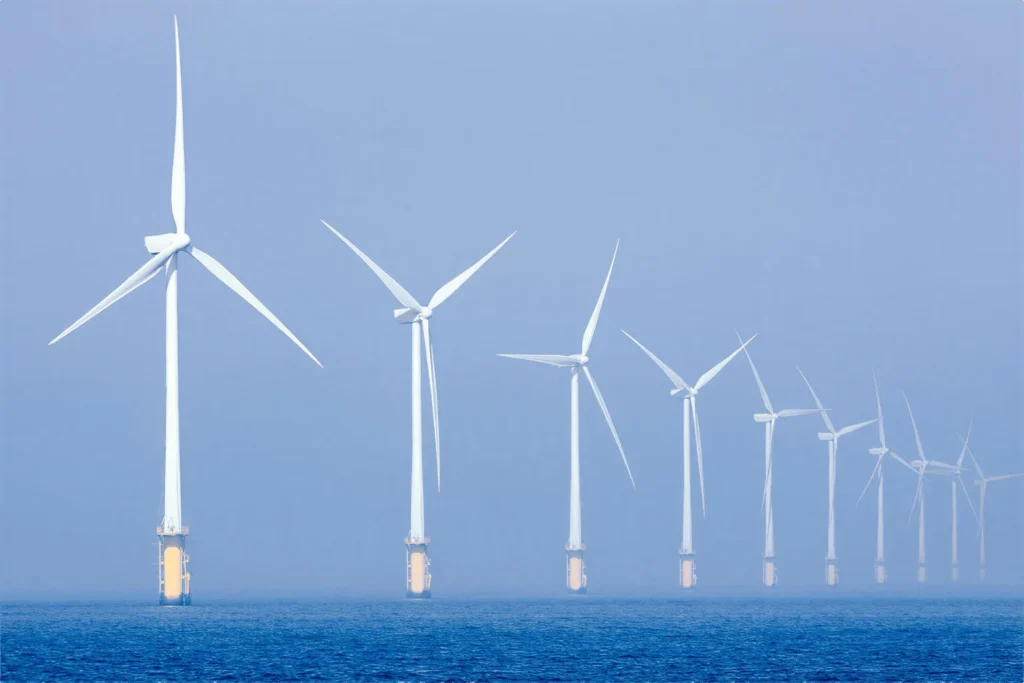
Baltic Power delivers its first electricity and marks the beginning of offshore wind in Poland
Baltic Power supplied offshore wind electricity to the Polish grid for the first time, consolidating offshore development in the Baltic Sea.

He has more than 40 years in the oil and gas industry and is an expert in Level I Ultrasonic maintenance and inspection. His commitment to excellence ensures the reliability of critical equipment. He stands out for his vast experience, comprehensive understanding of methodologies and adaptability to new technologies.
Baltic Power supplied offshore wind electricity to the Polish grid for the first time, consolidating offshore development in the Baltic Sea.
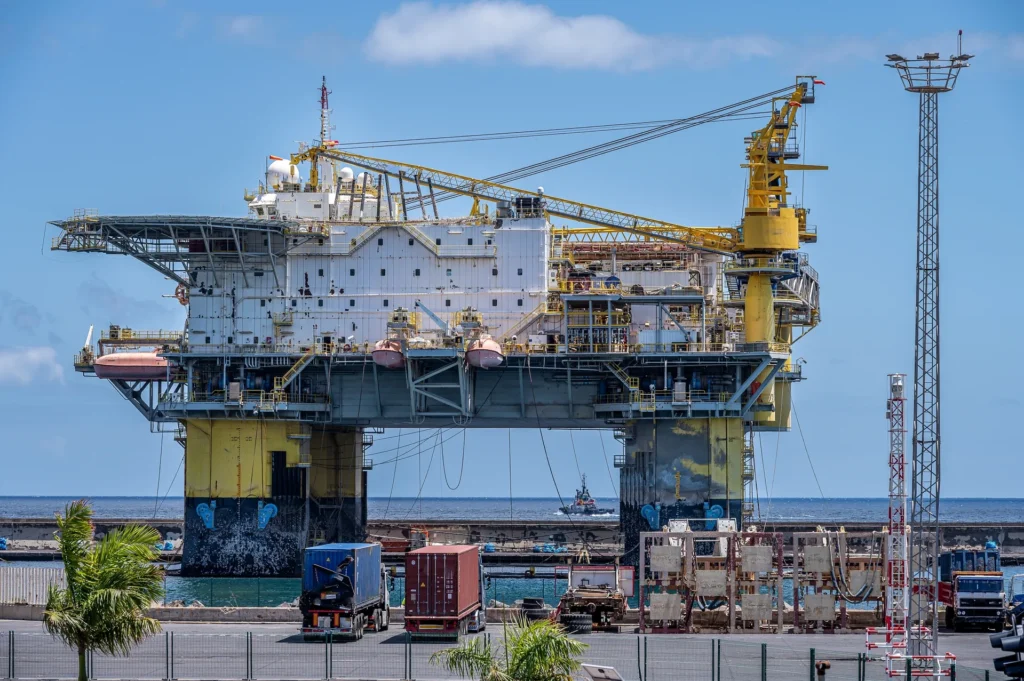
The acquisition of offshore assets in Malaysia will allow EnQuest to double its production and reinforce its strategy for managing mature assets in Asia.
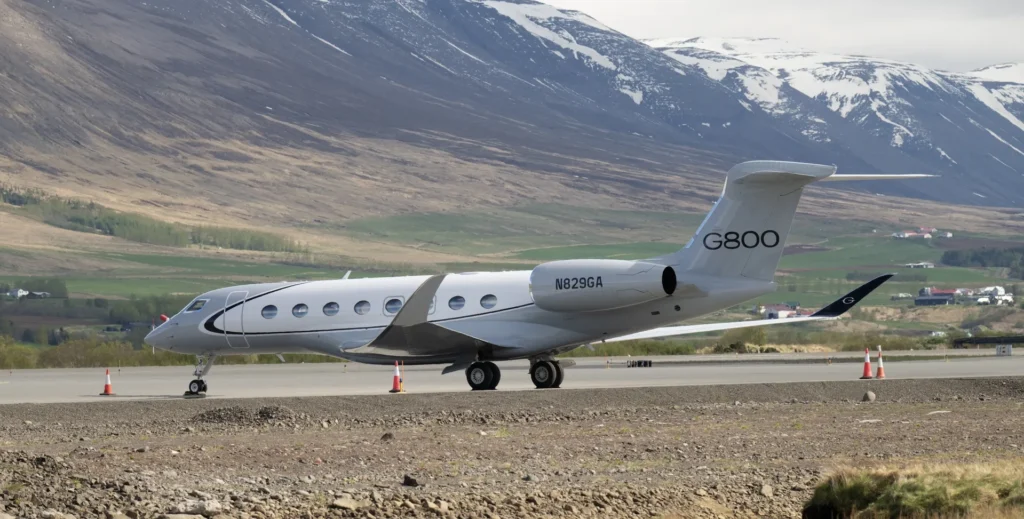
Gulfstream G800 tests with 100% SAF fuel demonstrate the potential to reduce particles responsible for condensation trails.
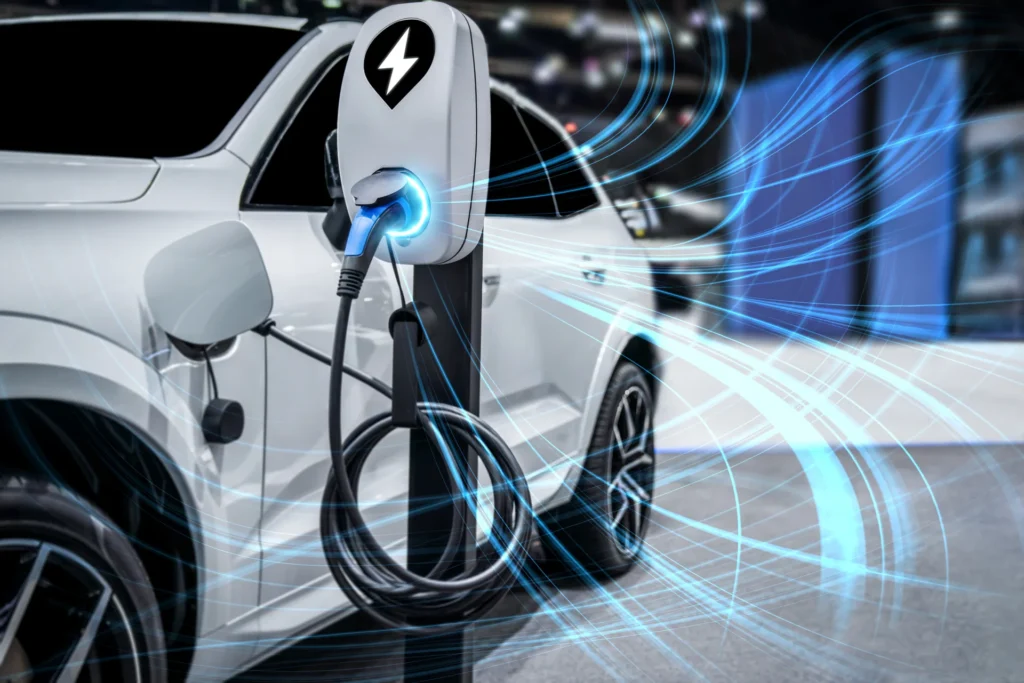
The advancement of ultra-fast charging for electric vehicles reflects both the potential and the tensions inherent in the energy transition.
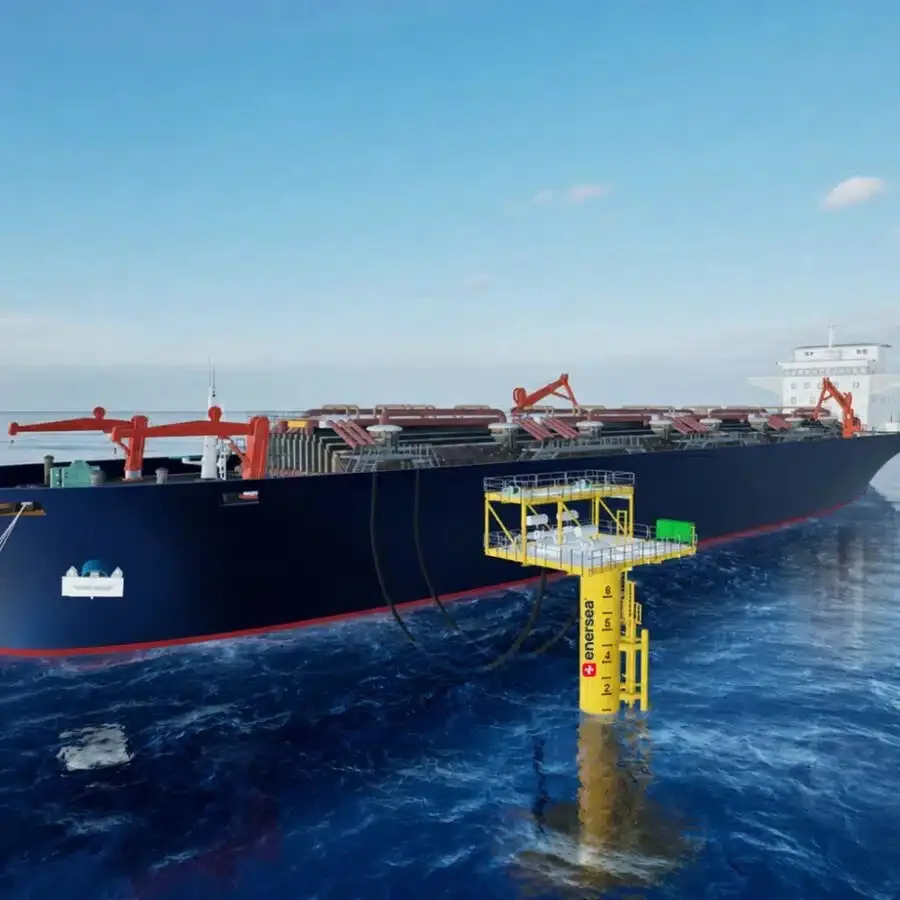
Dutch firm Enersea confirmed the viability of its LNG loading platform in a South American project.
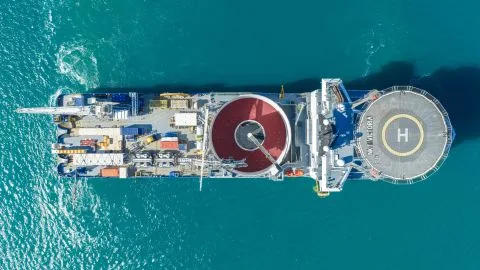
The Bay of Biscay Interconnector will incorporate subsea HVDC technology to strengthen European electrical integration between France and Spain.
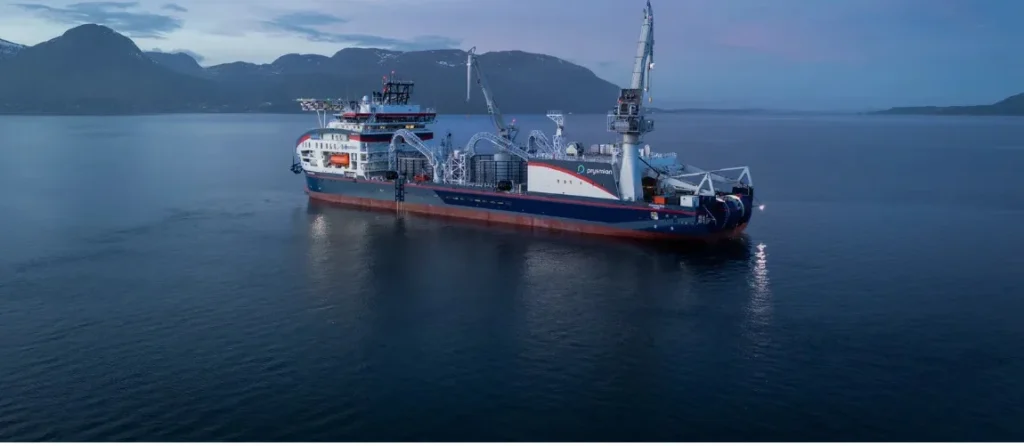
The new tool will protect subsea cables from external impacts and improve the reliability of offshore energy infrastructure.
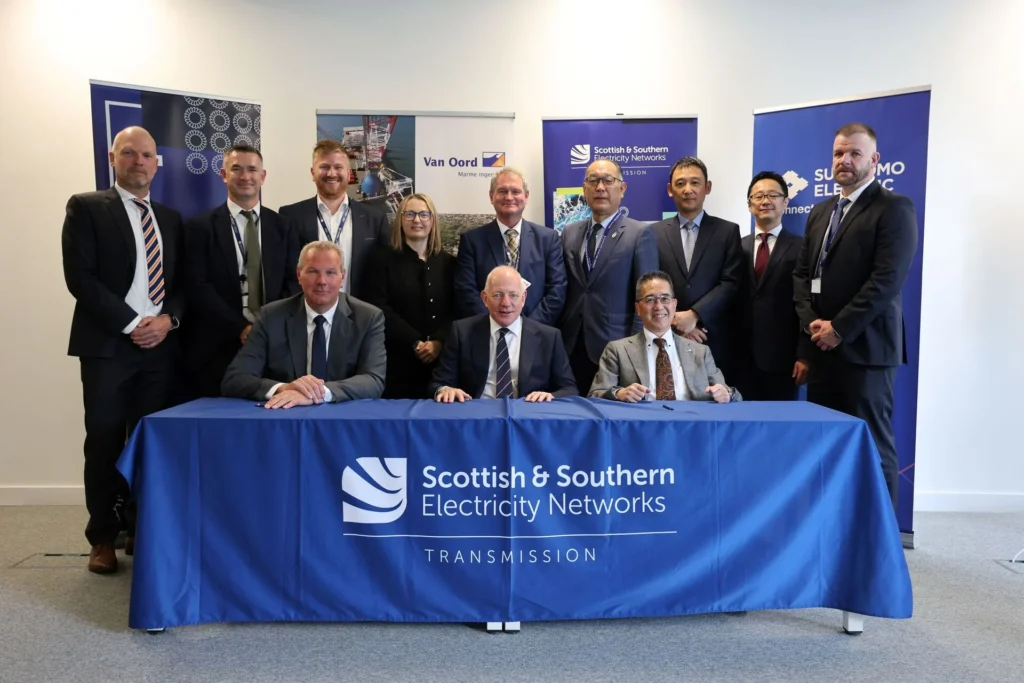
The long-term agreement between SSEN Transmission, Sumitomo Electric, and Van Oord strengthens the industrial capacity needed to deploy HVDC subsea infrastructure.

The alliance between DRIFT and Commenda combines technological innovation and financial structuring to develop vessels capable of producing green hydrogen.

Emerson's new FLUXUS 631 series incorporates portable ultrasonic measurement to assess flow rates and improve energy efficiency without intervening in the process.
The Blackford Dolphin contract extension will allow the final stages of an offshore drilling campaign to be completed.
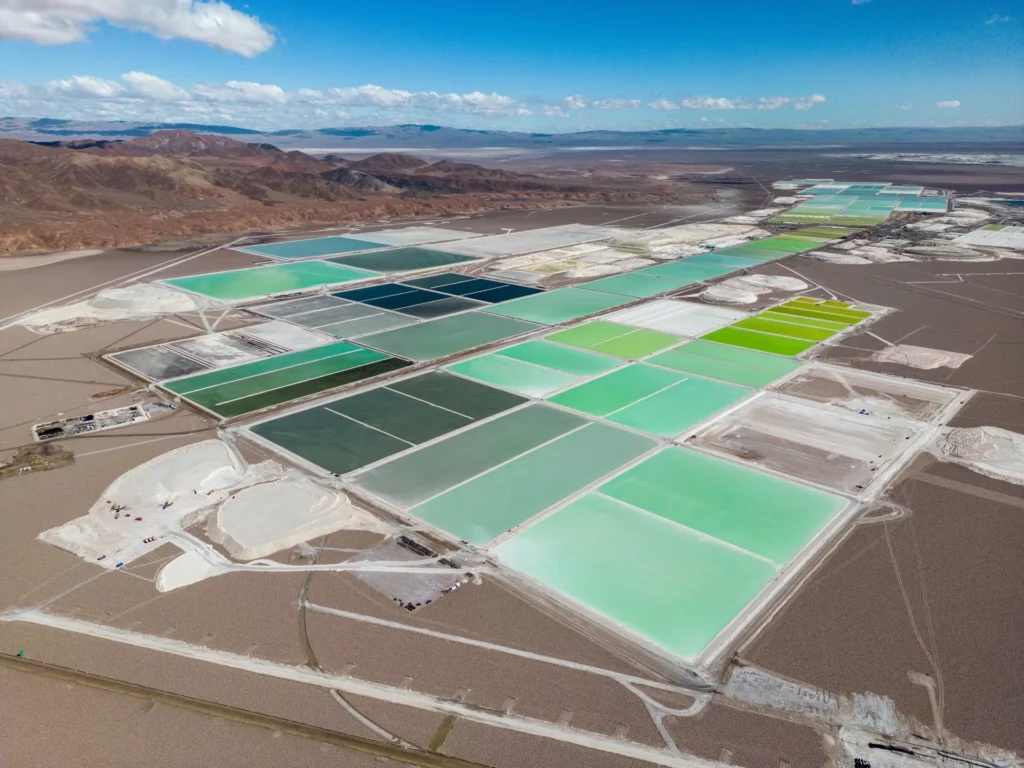
Eni's investment in Black Giant strengthens the development of direct lithium extraction technologies and demonstrates the convergence between hydrocarbon engineering and critical mineral production.