Automation in aluminum smelting is advancing strongly in a context marked by global supply tensions and growing industrial demand. The incorporation of industrial robotics is redefining production processes, improving operational safety and increasing efficiency in highly demanding plants.
A market pressured by geopolitics and demand
Currently, aluminum remains an essential material for sectors such as automotive and construction. However, dependence on strategic routes such as the Strait of Hormuz and the Strait of Hormuz has highlighted the fragility of global supply. The disruption of operations in the Persian Gulf Persian GulfThe disruption of operations in Persian Gulf countries, responsible for around 9% of world production, has generated uncertainty in the value chain.
In this scenario, producers are looking for solutions to maintain operational continuity. Automation emerges as a fundamental tool to reinforce industrial resilience in the face of external disruptions.
Industrial robotics: precision in extreme environments
On the other hand, aluminum smelting presents particularly complex conditions, and the electrochemical process, based on the Hall-Héroult method, requires temperatures close to 950 °C and high energy consumption. These characteristics make the plants high-risk environments.
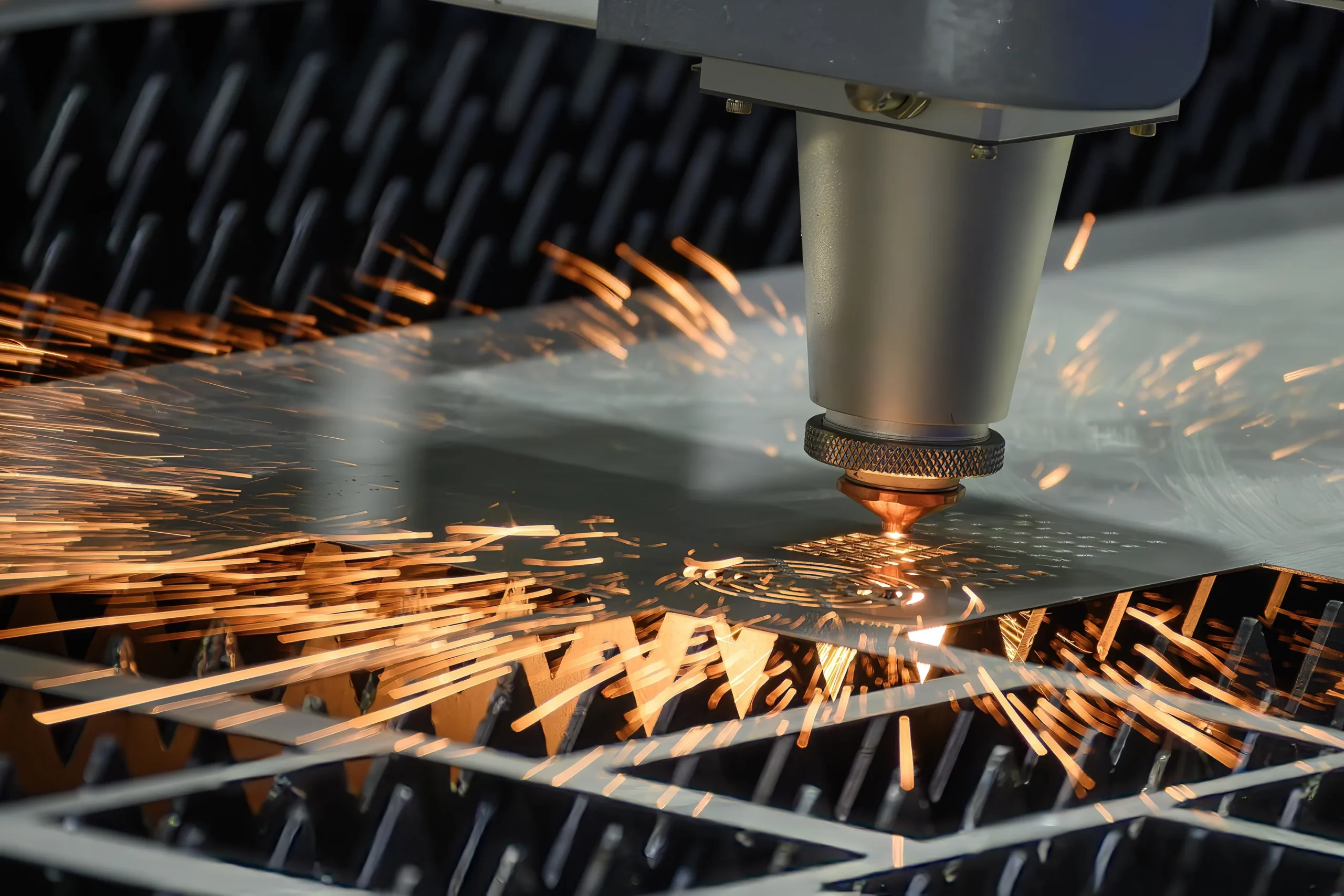
Faced with this reality, robotic systems are taking on critical tasks such as anode changing, furnace cleaning and molten metal handling. These highly repetitive operations benefit from the precision and consistency of robots, which can operate up to ten times faster than manual methods.
Automation also reduces human exposure to risks such as toxic emissions, thermal stress and electrical accidents.
Industrial safety as a driver of technology adoption
At the same time, safety is one of the main strengths of robotization. Recent statistics show how dangerous the sector is, with numerous incidents recorded in foundries.
The integration of robots makes it possible to eliminate human presence in critical areas such as electrolysis rooms. Companies such as Rio Tinto have already implemented automated solutions for welding and component handling tasks, improving working conditions and reducing the likelihood of accidents.
Energy efficiency and reduction of operating costs
In addition to safety, economic efficiency plays a decisive role. Aluminum smelting is energy-intensive, consuming approximately 14 MWh per ton produced.
In this context, automation contributes to optimizing energy use through more precise and repeatable processes. This translates into reduced waste and greater production stability.
Likewise, the reduction of operating errors and the reduction of direct labor allow for improved long-term profitability, compensating for the high initial investment in technology.
A growing market with technical challenges
Looking ahead, the global market for foundry robots shows a sustained growth trend. Projections indicate a significant expansion driven by the demand for automated solutions in complex industrial environments.
However, adoption is not without its challenges; the extreme conditions of foundries require highly specialized technologies capable of operating in environments with intense heat, abrasive dust and electromagnetic fields.
Despite these barriers, regions such as Europe and North America are accelerating the implementation of these solutions to maintain their industrial competitiveness.
Towards full automation of foundries
Finally, the evolution towards fully automated plants will depend on the integration of advanced artificial intelligence systems. These must be able to adapt to process variability in real time.
For now, the focus is on automating repetitive tasks where the impact is immediate, the trend is clear: robotics is consolidating as a strategic element in the transformation of the aluminum industry.
Source: Mining-technology
Photo: Shutterstock