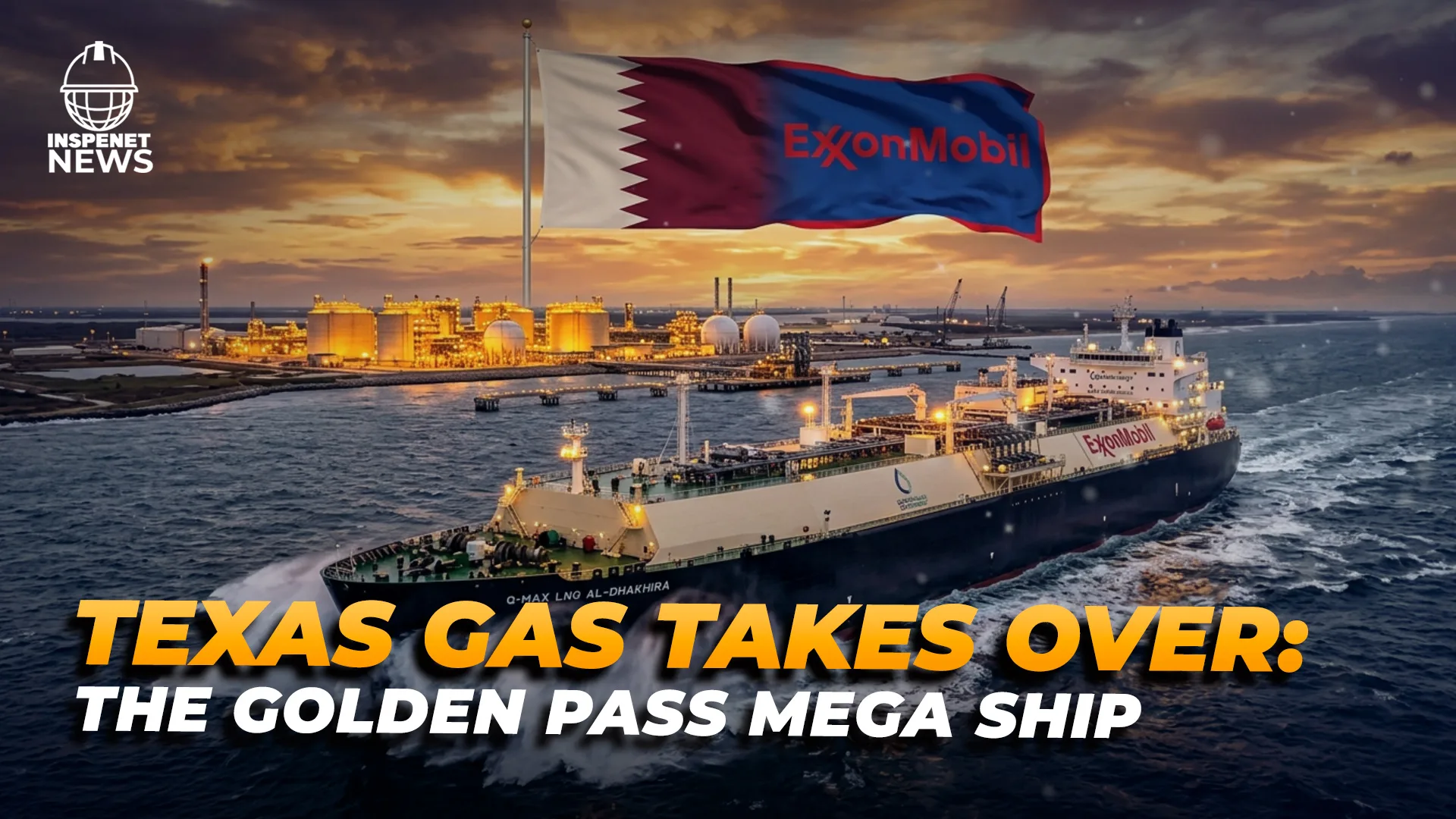
Golden Pass LNG starts liquefied natural gas exports
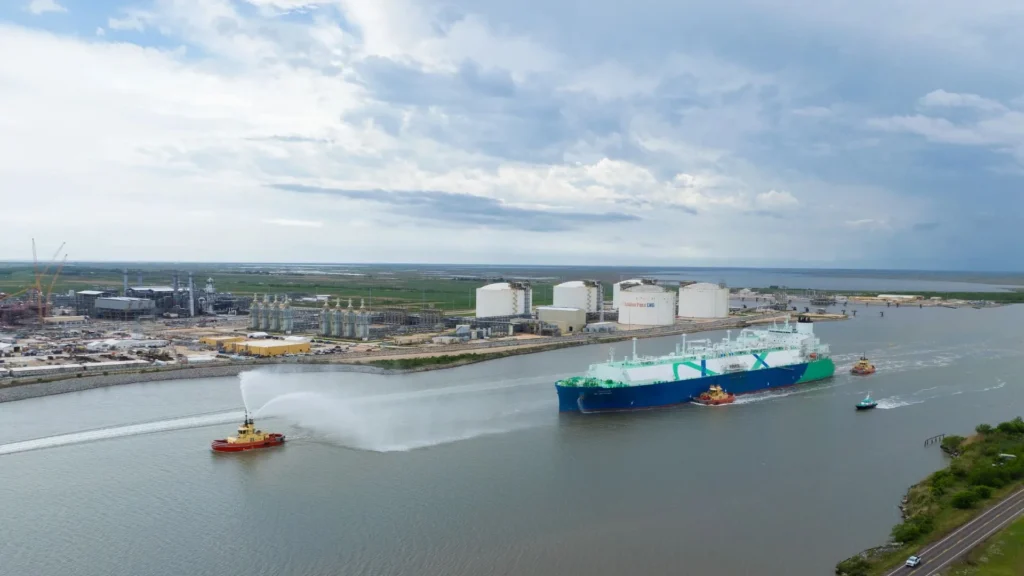
The Golden Pass LNG terminal, located in Sabine Pass, Texas, completed its first shipment, which begins its exports of liquefied natural gas. exports of liquefied natural gas to the international market. This progress marks the transition of the project to its operational phase after several years of development.
The company also highlighted that this first dispatch reflects the joint work of its team, contractors and regulatory entities, in addition to the support of its strategic partners.
QatarEnergy and ExxonMobil's role in Golden Pass LNG
On the other hand, the project has the support of QatarEnergy and ExxonMobil, two important players in the global energy sector. Both companies have supported the investment and development of this infrastructure in order to strengthen the presence of the United States as a natural gas supplier.
In this context, the collaboration between these companies consolidates an alliance that seeks to respond to the growing international demand for energy.
Production capacity and future expansion of the complex
In terms of capacity, Golden Pass LNG expects to reach an export volume of close to 18 million tons of LNG per year once its three liquefaction trains are fully operational. Train 1 is currently progressing towards stabilization, while work continues on Trains 2 and 3.
Thus, the progressive expansion will increase the flow of LNG exports in the coming years.
Impact of global liquefied natural gas exports
At the same time, the start of operations strengthens the role of the United States in international energy trade. The entry of new volumes contributes to diversifying supply and responding to demand from regions seeking alternative supplies.
In addition, this movement has an impact on energy security by expanding the options available to countries dependent on gas imports.
Sabine Pass and the growth of natural gas in the U.S.
Finally, the Sabine Pass terminal is positioned as a strategic point on the country's energy map. Its infrastructure, designed to operate on a large scale, allows it to receive large-capacity methane tankers and handle significant volumes of liquefied natural gas.
Thus, the development of Golden Pass LNG is part of the expansion of the U.S. energy sector, which continues to gain weight on the global stage.
Additional news of interest
Slovakia resumes flow of oil through Druzhba
Slovakia confirmed that the supply of oil through the Druzhba Druzhba pipeline pipeline was restored during the early morning hours of April 23. The flow returned to normal operation following the agreed levels and technical conditions, which allows stabilizing the supply in the country.
The authorities indicated that monitoring is active in conjunction with Transpetrol and other system partners. The objective is to ensure that transportation continues without interruptions and to respond quickly to any changes in the operation.
Chevron reactivates Wheatstone after hurricane
Chevron fully restored production at its Wheatstone liquefied natural gas plant Wheatstone liquefied natural gas plant in Western Australia after repairs in Western Australia after repairing damage caused by a cyclone. The 8.9 million tonne per year facility had been out of service after high winds affected critical system equipment.
The work included the repair of hundreds of damaged heat exchangers, which allowed a gradual resumption of operations. The company had already managed to reactivate gas supply to the local market a few days after the impact and now completes the full return of LNG production.
Solar energy gains strength due to global crisis
The demand for solar panels in European households has grown strongly since the start of the Iran conflict, driven by rising energy prices. In countries such as Germany, the UK and the Netherlands, orders have soared with some suppliers reporting sales doubling or even tripling within weeks. Consumers are looking to reduce their bills and become less reliant on unstable energy markets.
The focus is on complete systems that combine battery panels and electric vehicle solutions that allow energy to be stored and used later. Companies in the sector are already expanding their capacity to respond to growth while Chinese manufacturers maintain high global production that continues to outstrip demand.
South Africa accelerates production of rare earths
The Steenkampskraal mine began construction of a monazite processing plant in South Africa with the objective of producing rare earth-rich concentrates. This project is part of a phased plan to exploit one of the world's highest grade deposits. The facility will process ore from both historic deposits and subway operations to accelerate the start-up of revenues.
The plant will have an estimated capacity of 13,400 tons per year and will start with a smaller production while it reaches its full level. In addition, the company has already produced its first concentrates after more than six decades and is advancing in the development of processes to obtain higher value products. The project also contemplates expansion to more advanced processing stages within the country.