
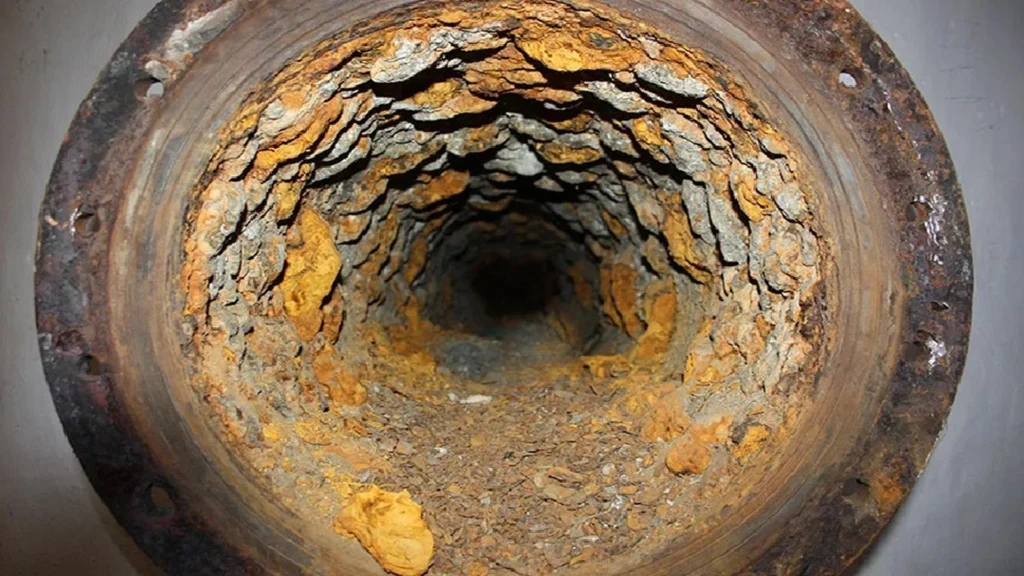
Microbiologically induced corrosion and its impact on metal decay
MIC corrosion deteriorates metals in industrial sectors by microorganisms, with electrical (EMIC) and chemical (CMIC) mechanisms that compromise their safety and durability.
MIC corrosion deteriorates metals in industrial sectors by microorganisms, with electrical (EMIC) and chemical (CMIC) mechanisms that compromise their safety and durability.
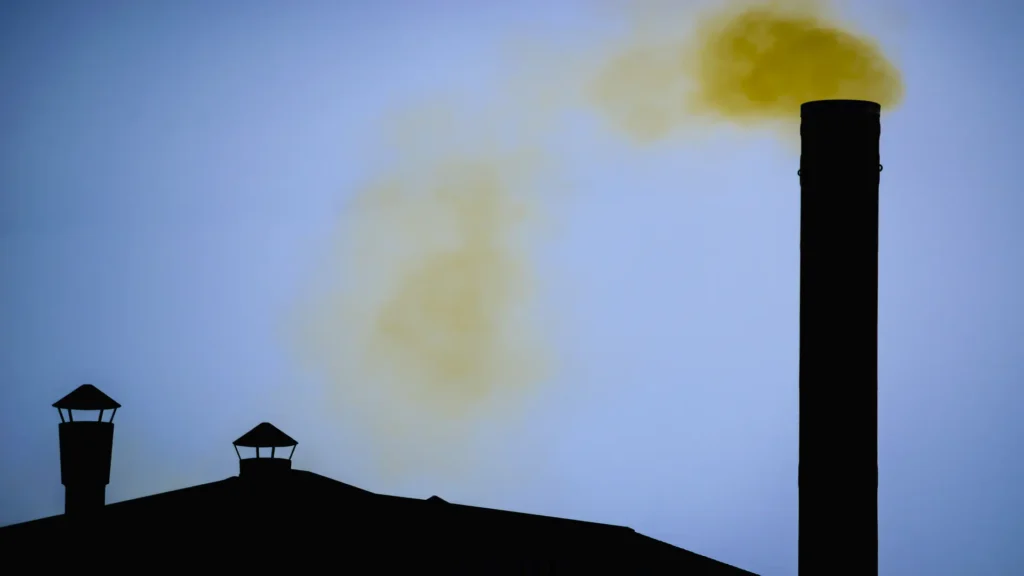
Examining the role of sulfur dioxide in industry and strategies to reduce its environmental impact.
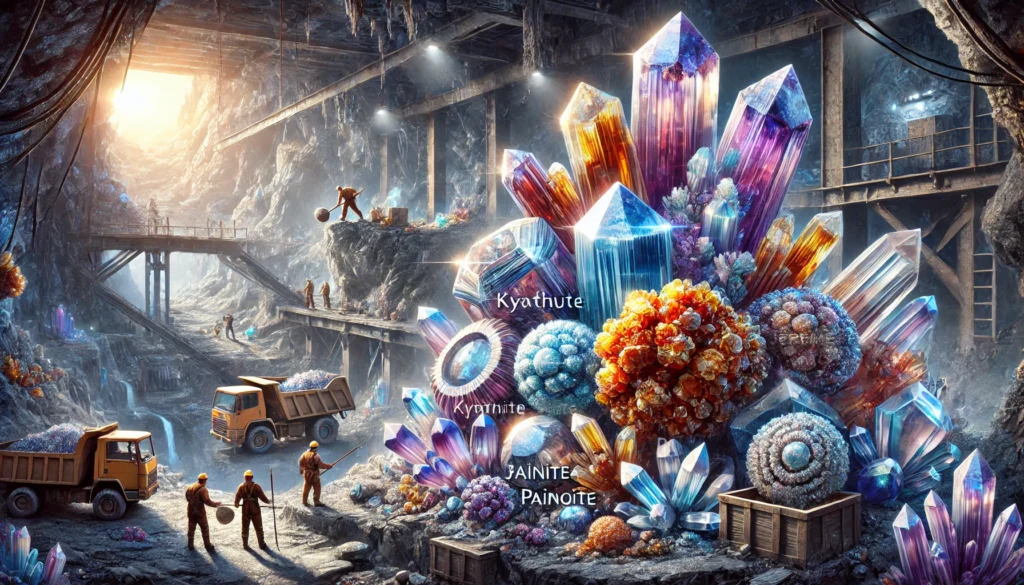
Analyzing the importance of earth's rarest minerals and their technological and commercial impact.
Examining recent developments in catalysis and their contribution to efficiency and sustainability in the chemical industry.
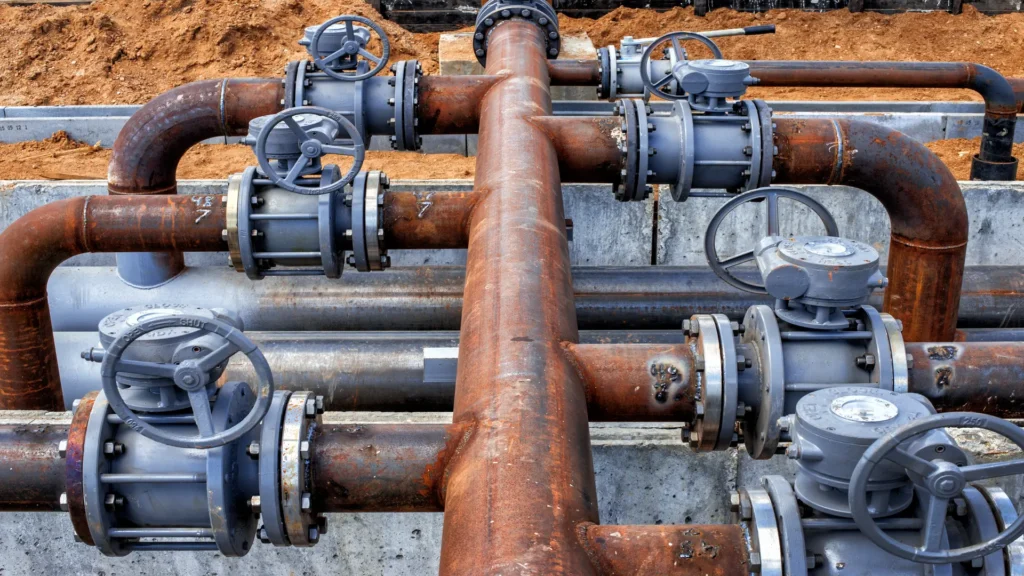
Galvanic corrosion, derived from the electrochemical galvanic reaction between metals, affects the durability of industrial structures, increasing the risk of failure and material damage.
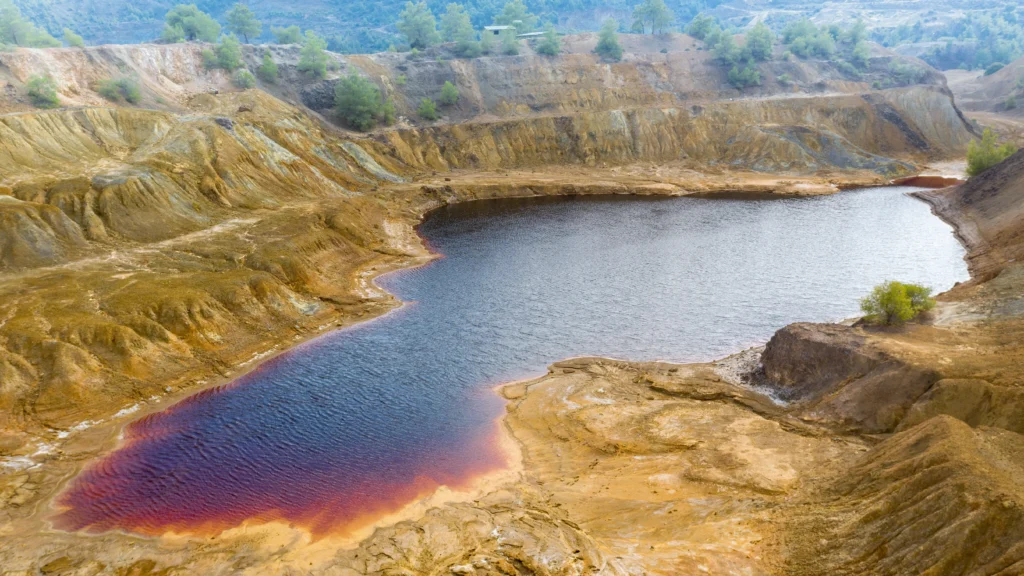
Acid Mine Drainage (AMD) affects soils and nearby ecosystems, but emerging technologies are changing the way we mitigate its impact, offering innovative and sustainable solutions.
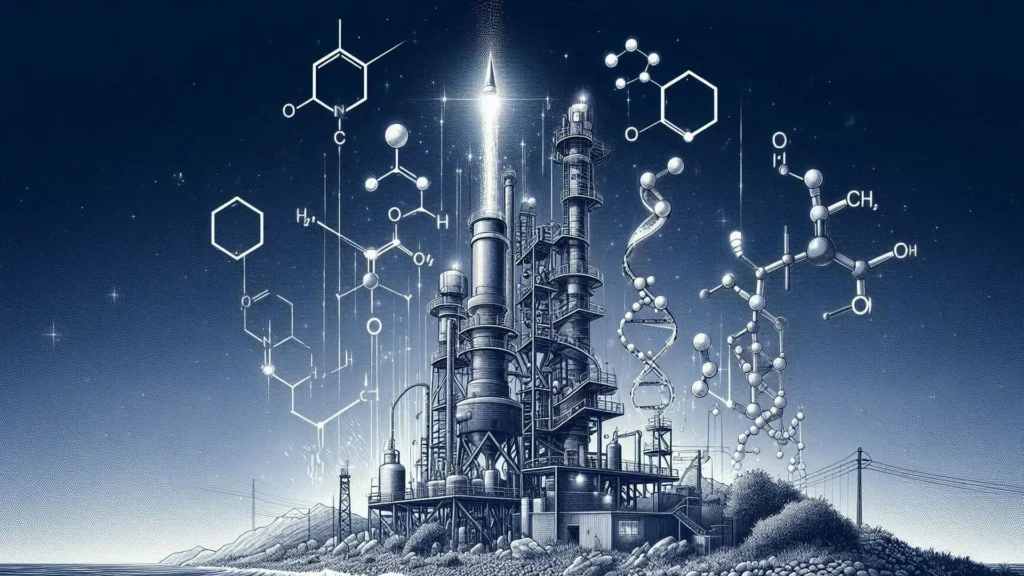
Thermodynamic principles underpin the design, efficiency, and optimization of chemical processes.

Learn heat transfer mechanisms and their impact on the efficiency of thermal systems in industries.
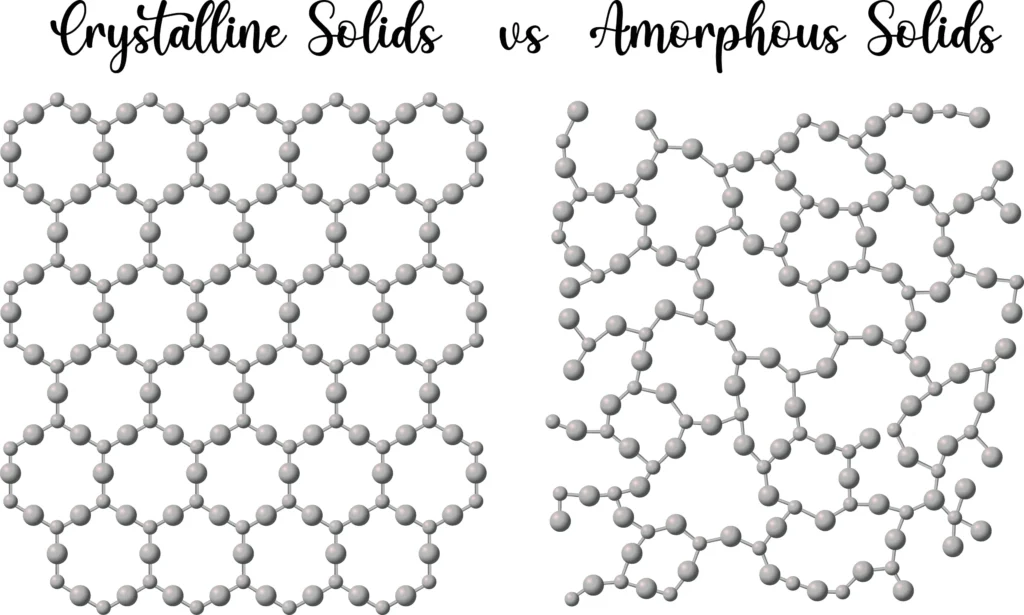
Analyzing how crystalline vs. amorphous structures influence corrosion resistance.
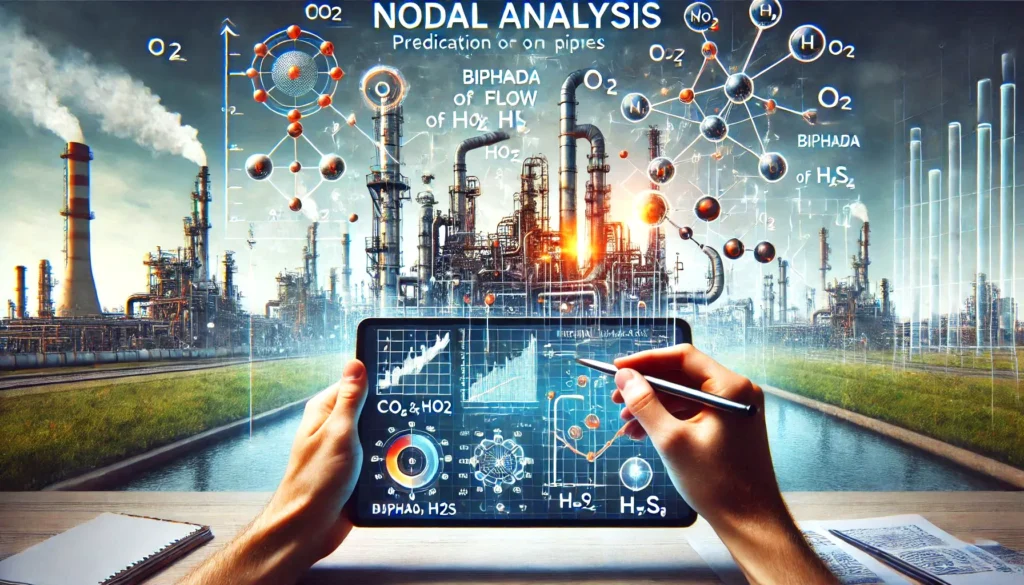
Use of NODAL analysis to predict corrosion and improve operational efficiency in the oil industry.

Magnetization links electricity and magnetism, essential for modern applications.
Exploring the properties, applications and technological advances of high entropy alloys (HEAs).