

Ethylene glycol: properties industrial uses hazards and safe handling
Ethylene glycol is a chemical compound widely used in industry for its antifreeze properties and polyester fibers. Although useful, its toxicity requires safe handling.
Ethylene glycol is a chemical compound widely used in industry for its antifreeze properties and polyester fibers. Although useful, its toxicity requires safe handling.

Types of chemical reactions enable the design of processes based on their conditions, ensuring efficiency, safety, and viability in chemical engineering.

The renewable energy sector is expanding rapidly, driven by the global need to mitigate climate change and reduce dependence on fossil fuels. Technologies such as wind, solar, hydro…
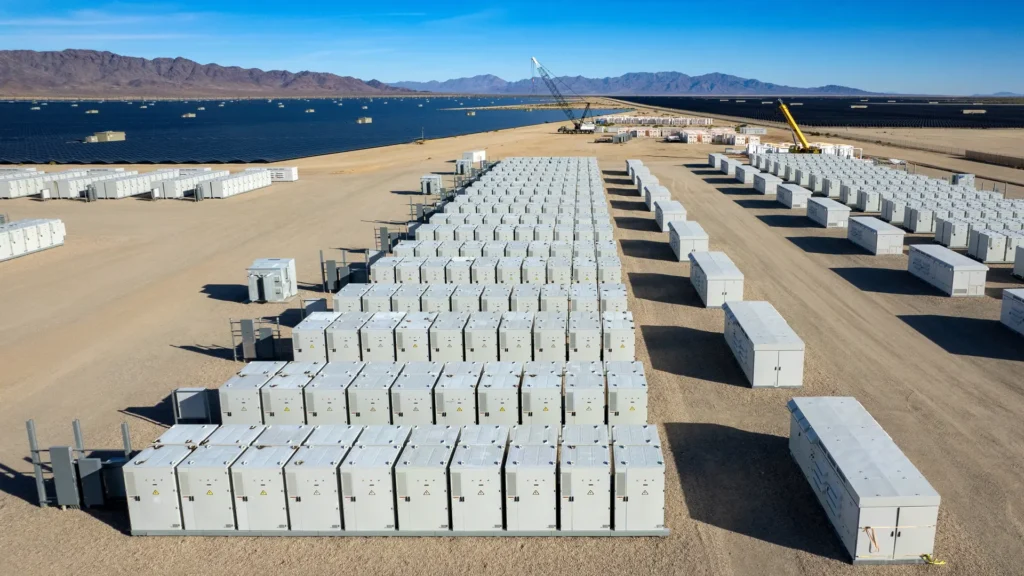
Learn about best practices to protect the performance of stationary batteries in electrical substations and renewable energy applications.

Remote monitoring of cathodic protection allows supervising systems without on-site inspection, detecting failures and optimizing the service life of metallic infrastructures.
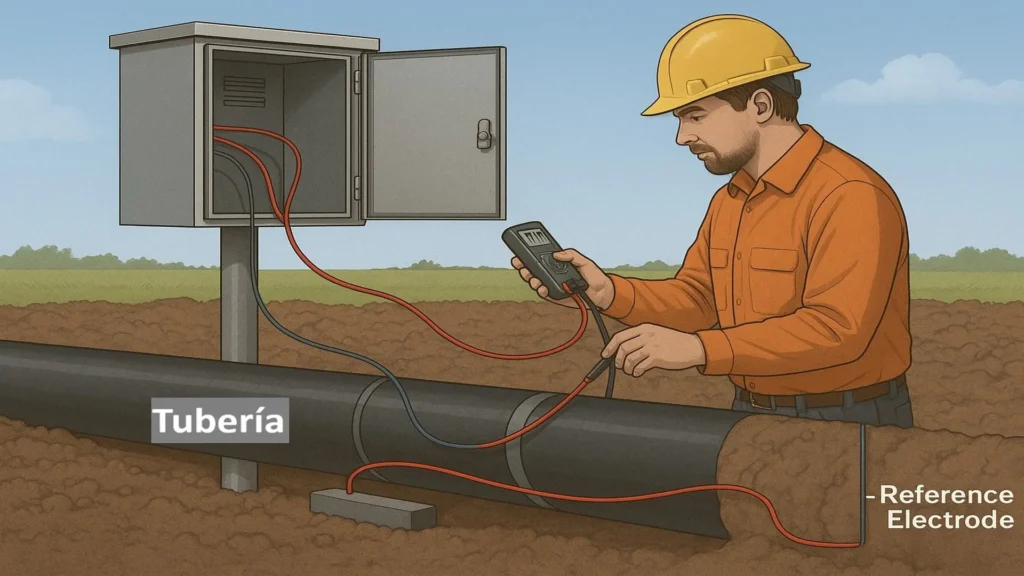
Orientation for professionals on the AMPP CP program, explaining its levels (CP1 to CP4), benefits and technical training in corrosion control.
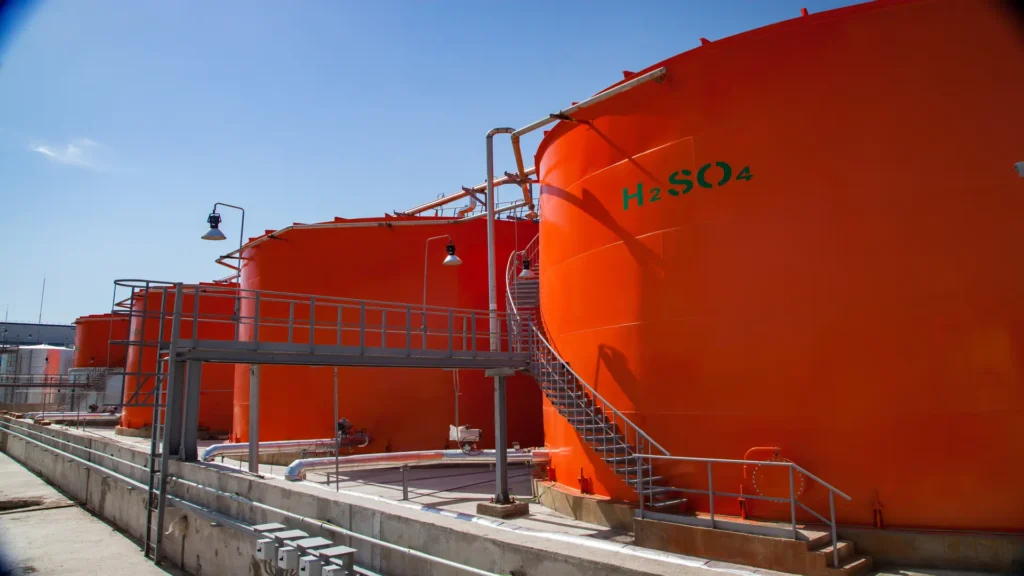
Against the limits of traditional methods, advanced cathodic protection with VCI represents an efficient solution for aggressive subway environments in the petrochemical industry.
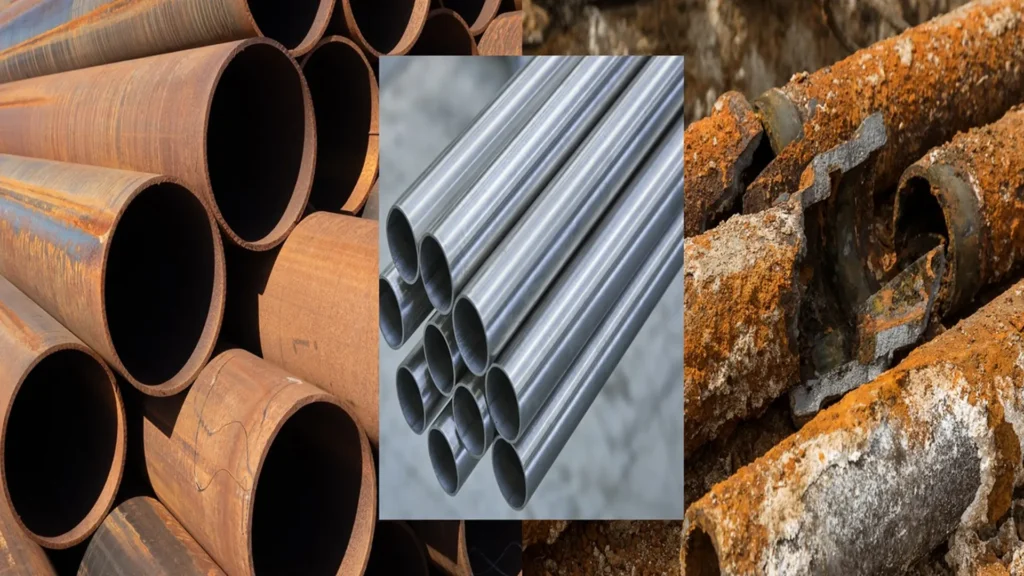
Clarifying the differences between corrosion vs. rust: know their differences, causes, and effects on the durability of metals.
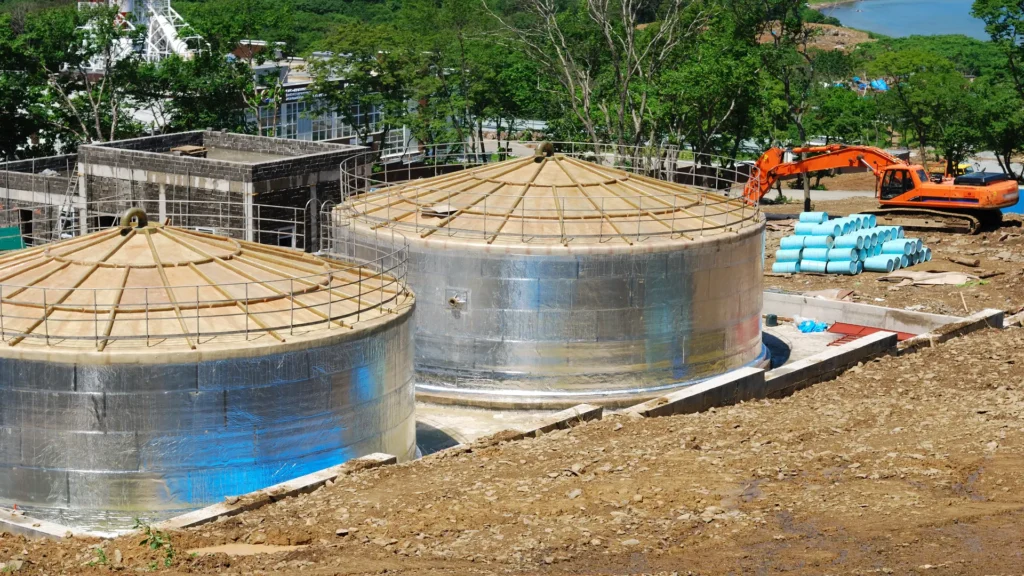
API Standard 650 in the petroleum industry: History, benefits and scope, with emphasis on the manufacturing processes, tests and acceptance tests that ensure the quality and structural safety of storage tanks.
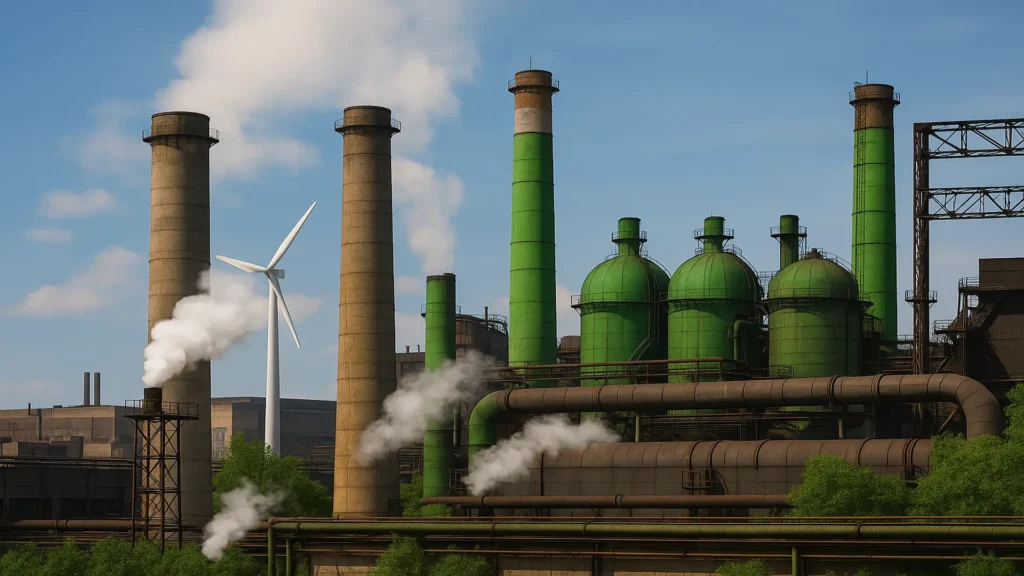
Green steel in industrial sustainability, highlighting sustainable processes, technological innovation and metal recycling in metallurgy.
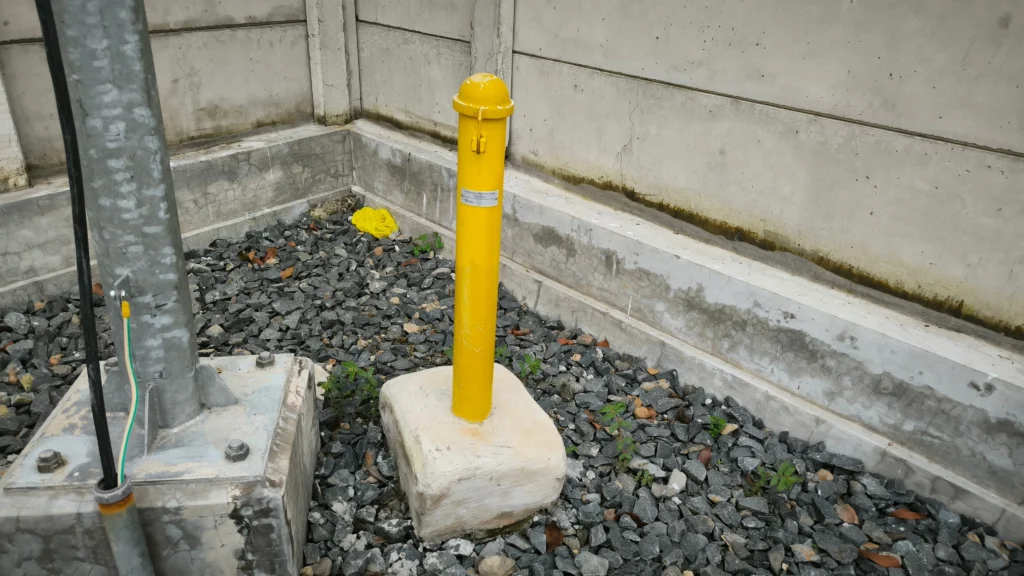
The test stations allow monitoring of cathodic protection, avoiding infrastructure problems and reducing maintenance and repair costs.
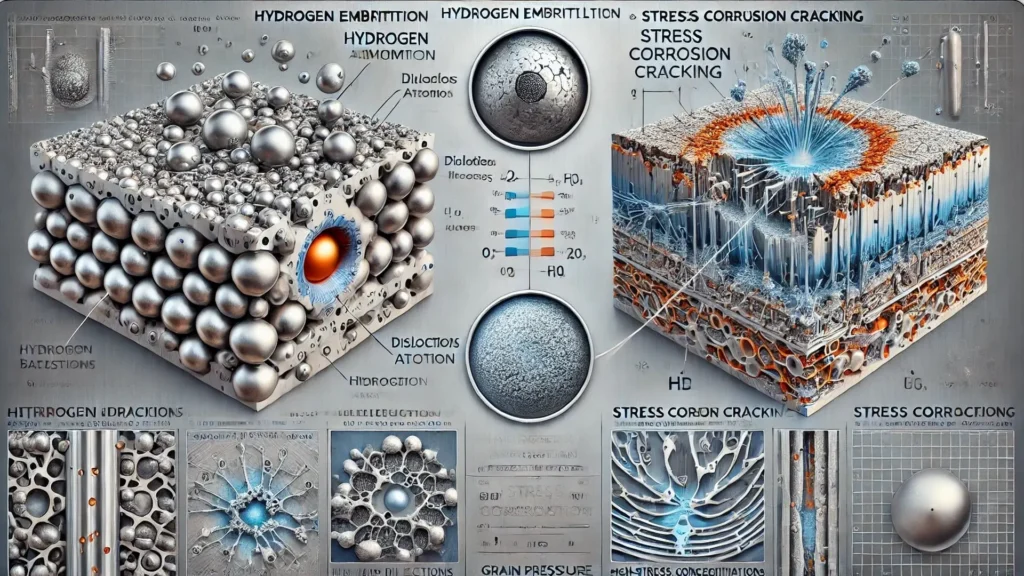
Distinguishing between hydrogen embrittlement and SCC allows for the assessment of mechanical and environmental risks in metals exposed to loads or corrosives.