

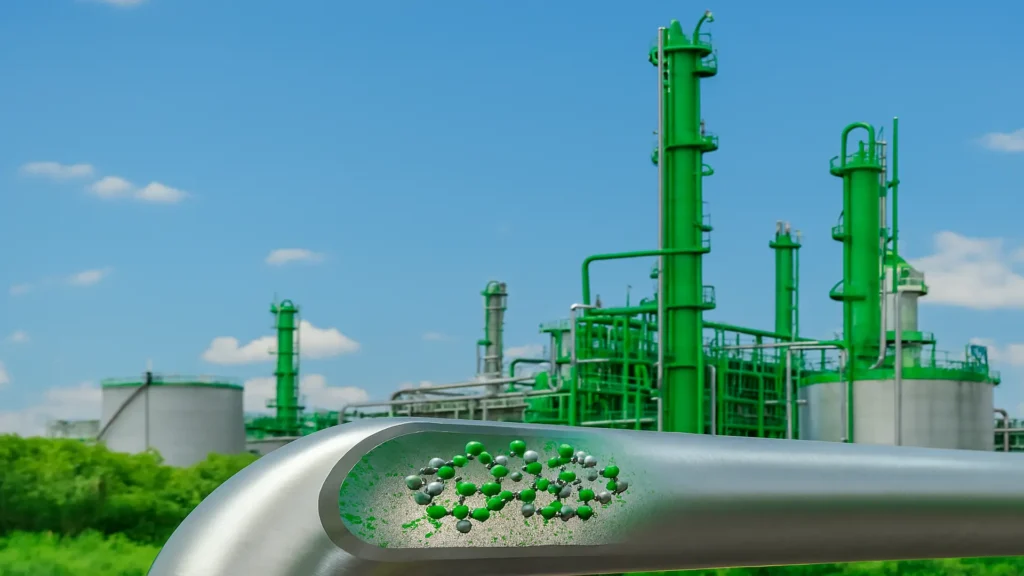
Eco friendly corrosion control: Green inhibitors for steel
Sustainable solutions to protect metals using natural extracts. Focus on eco friendly corrosion control with high efficiency.
Sustainable solutions to protect metals using natural extracts. Focus on eco friendly corrosion control with high efficiency.
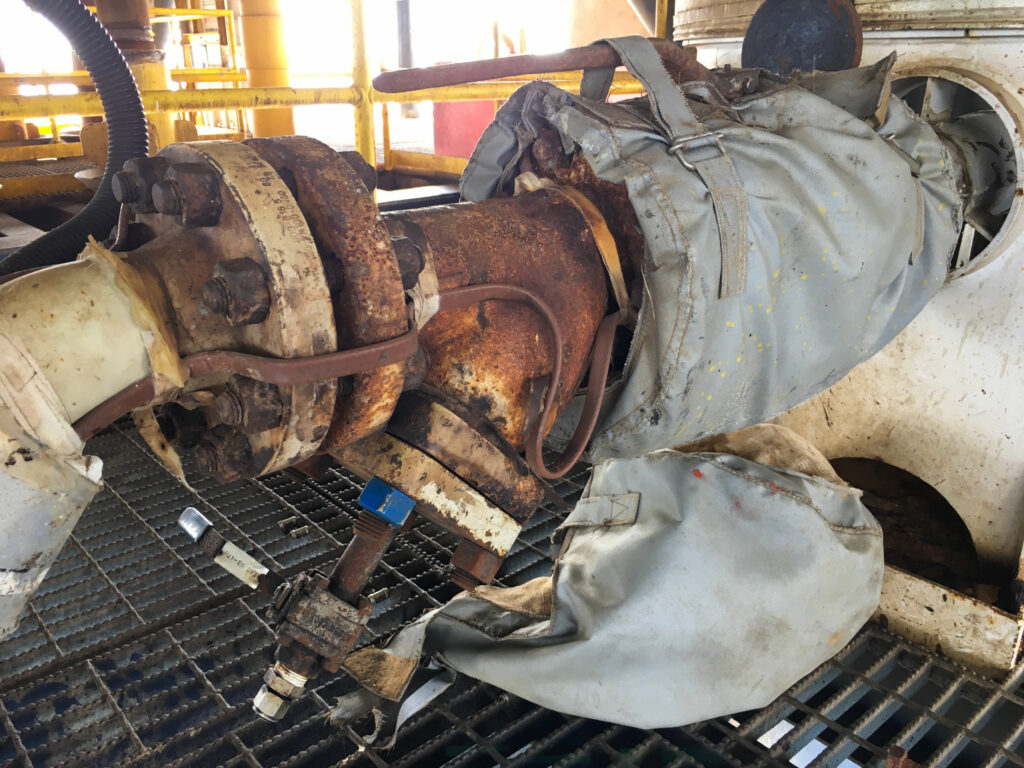
Identifying and assessing Corrosion Under Insulation (CUI), requires reliable methods in the face of physical barriers and hidden conditions.
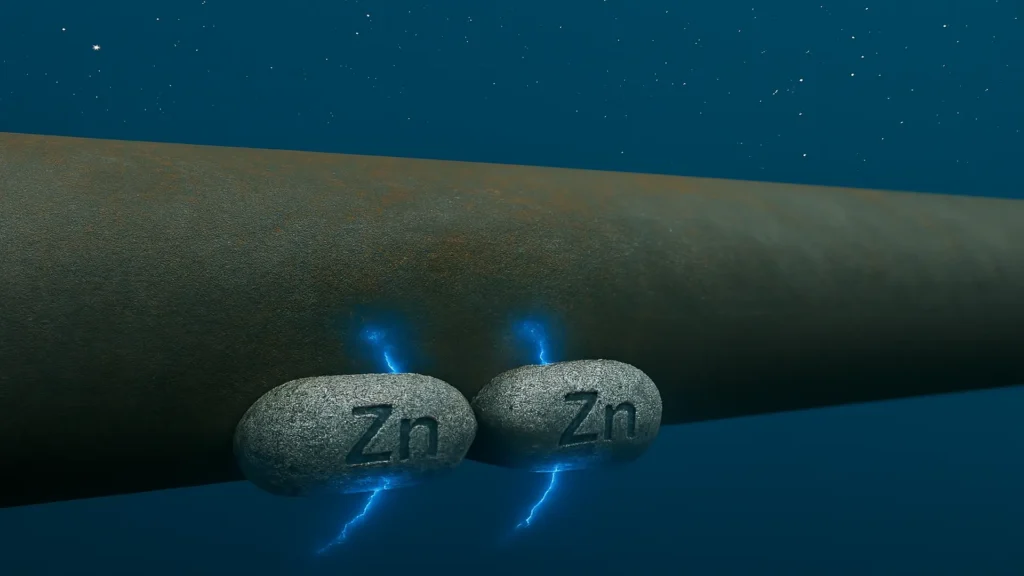
Sacrificial anodes are metal components designed to corrode in a controlled manner, transferring protective current to the cathodic structure and preserving its integrity against electrochemical corrosion processes.
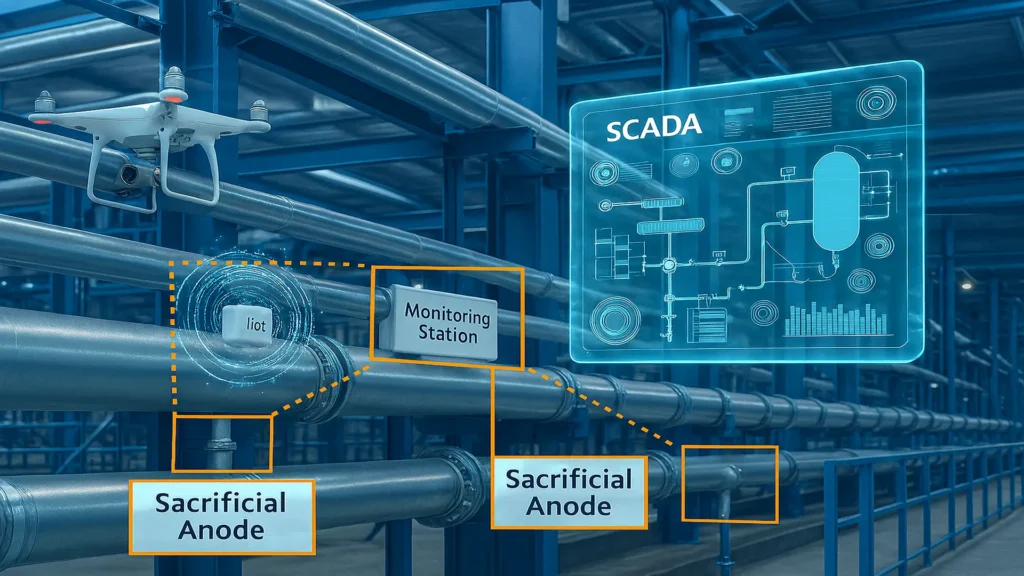
Innovations in cathodic protection are redefining corrosion prevention with more efficient and sustainable systems.
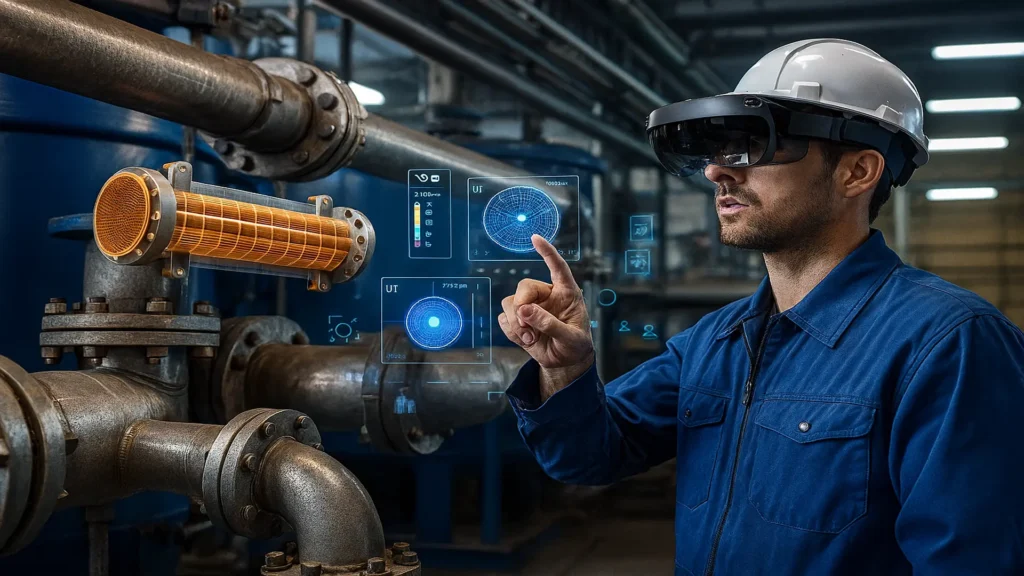
Immersive training in NDT with VR/MR in industrial inspections combines VR and MR to train inspectors safely and efficiently, simulating real equipment and scenarios without risk or excessive costs.
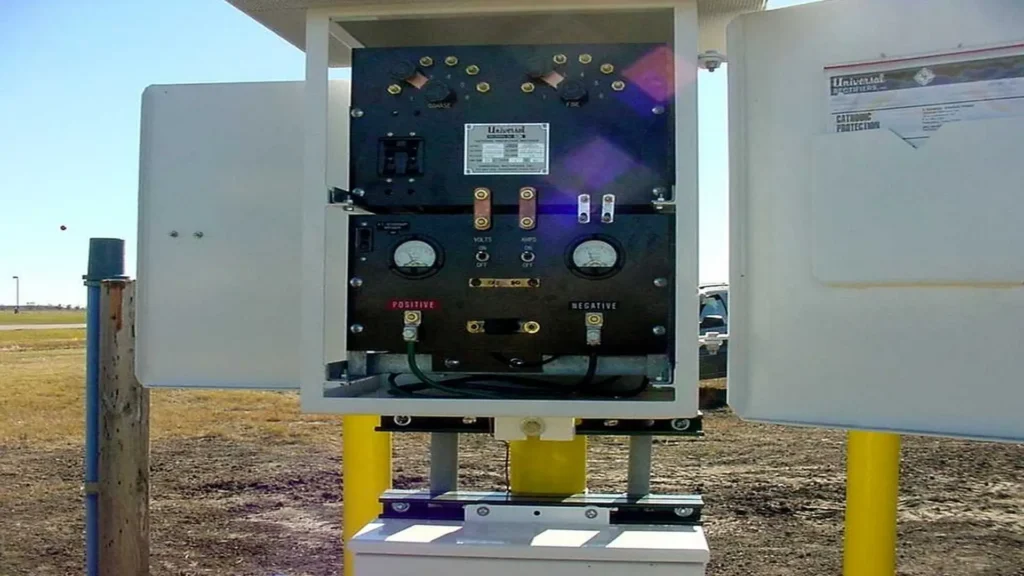
This article focuses mainly on the steps to follow to monitor the efficiency of a cathodic protection system.
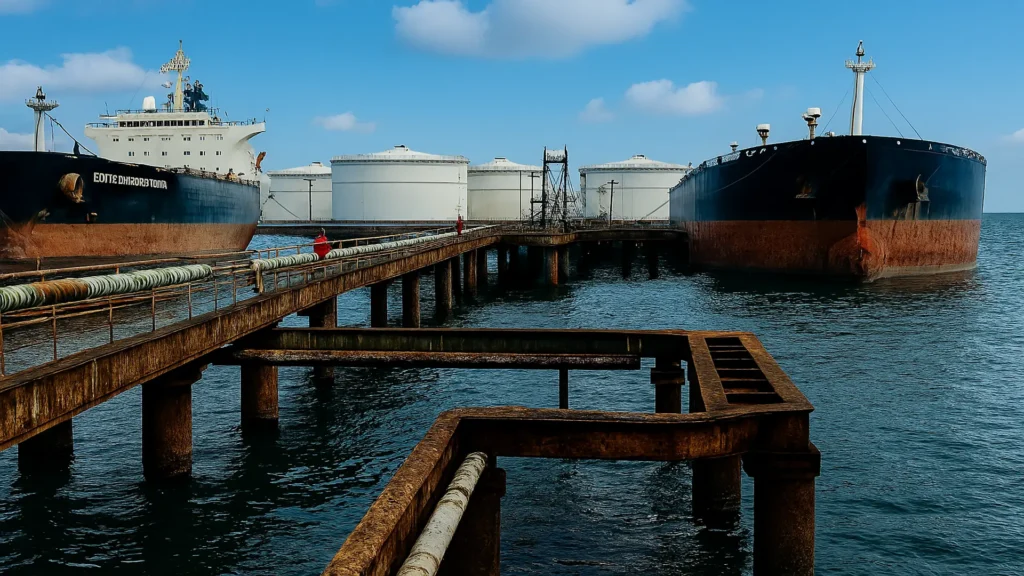
Corrosion at liquid product port terminals is a critical risk that affects the safety and operability of docks and metal structures.

The transition to clean fuels at maritime terminals depends on both technology and human management.
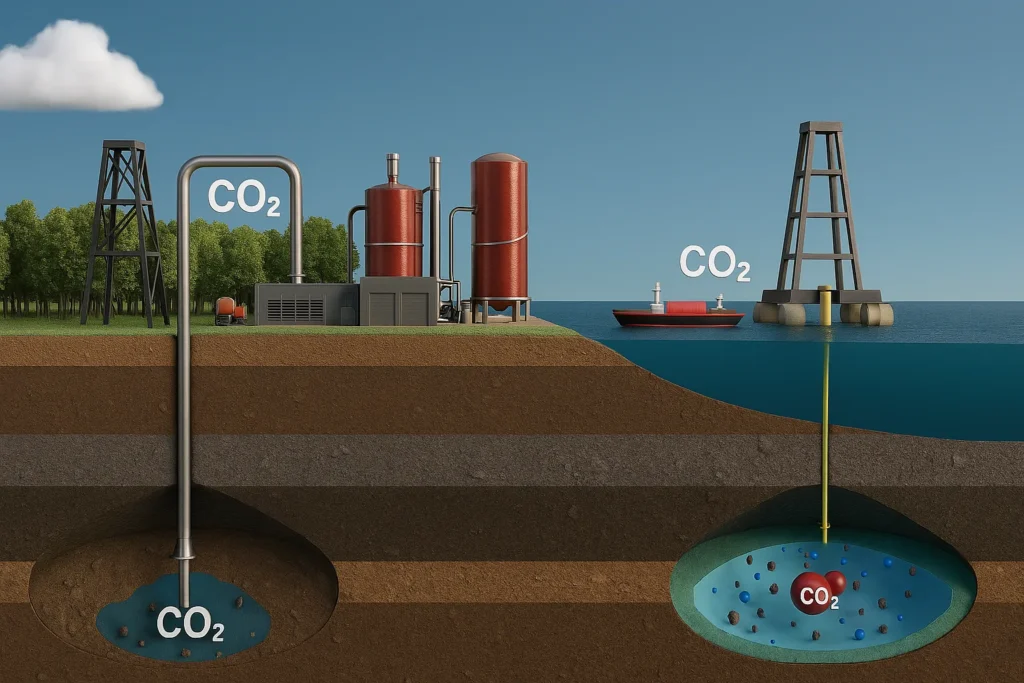
Geological storage of CO₂ offers great potential in the fight against climate change, provided that the integrity of wells used for injection and confinement is guaranteed.
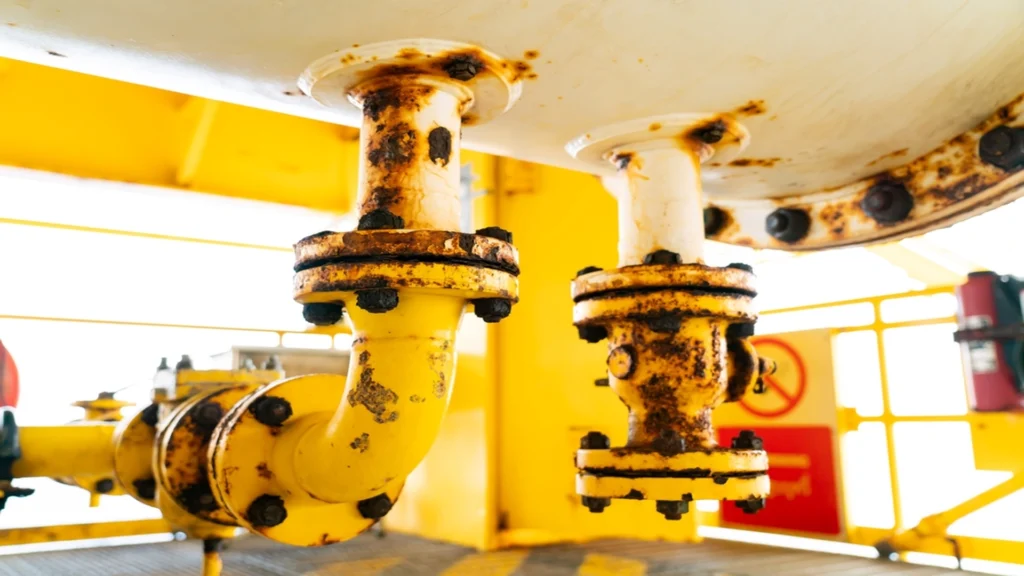
Atmospheric corrosion in oil pipelines, gas pipelines, tanks, and offshore platforms is a persistent problem that causes considerable economic losses and operational risks in the energy sector.

Innovation in marine surveillance: how satellite technologies in the maritime industry and AI enable accurate and rapid detection of oil spills on the high seas.
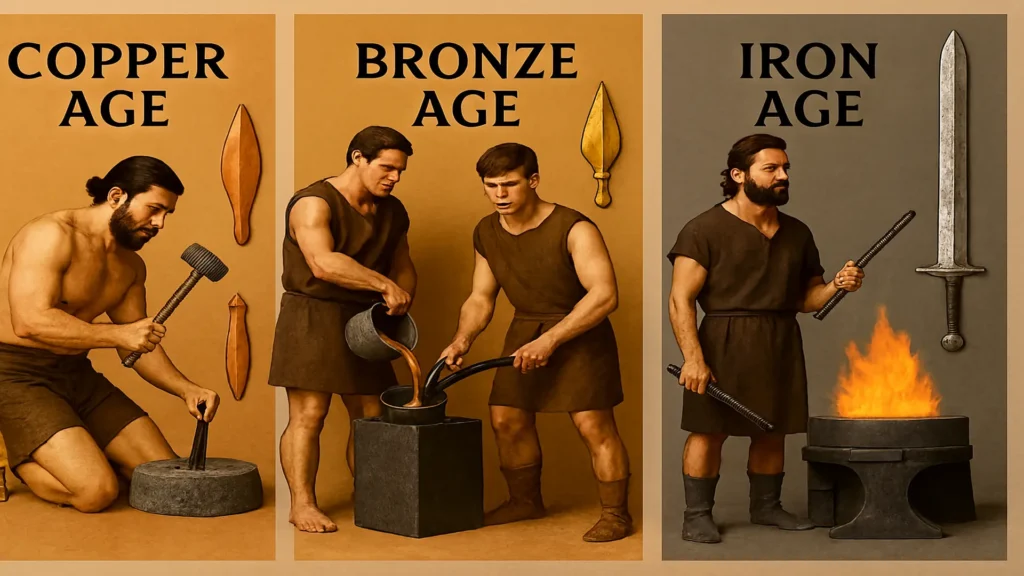
The history of metals reveals their essential role in human evolution, from copper to steel, transforming culture, economy and technology.