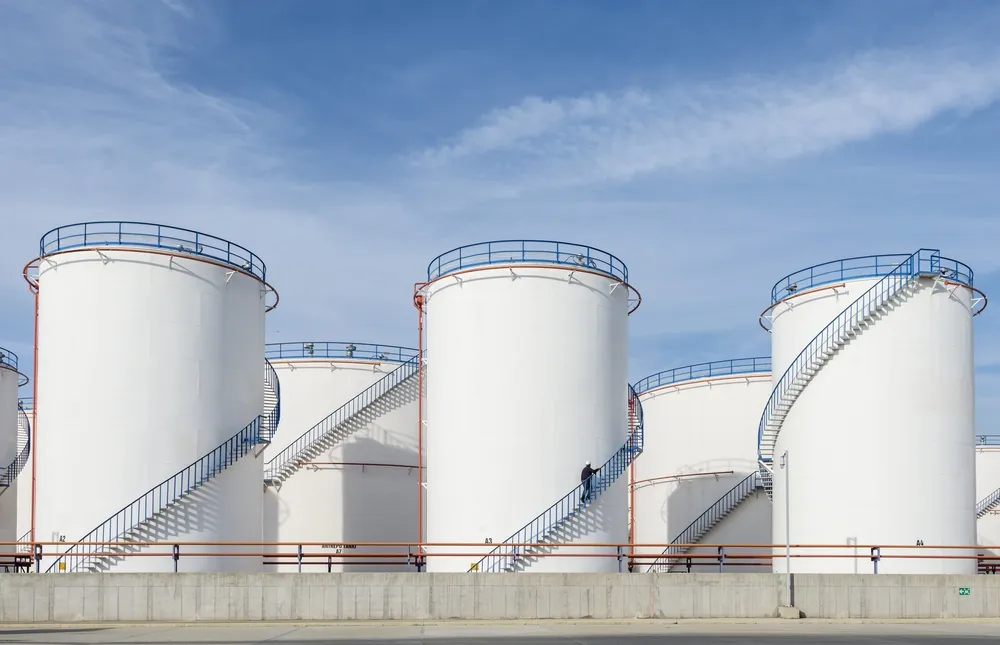
Integrity of storage tanks under API 653 standards
API 653 establishes criteria for inspection, repair, and evaluation of tanks in service, reducing risks from corrosion, leaks, and structural deterioration.

Mechanical Engineer with experience in the oil and gas sector, has technical skills in static equipment inspection, project control, development of work scopes and quality assurance. Contributes to the exchange of knowledge and best practices by writing technical articles related to the energy sector.
API 653 establishes criteria for inspection, repair, and evaluation of tanks in service, reducing risks from corrosion, leaks, and structural deterioration.

Author: Ing. Mayuly Rodriguez, March 23, 2024. The Oil & Gas sector, as one of the world's largest energy consumers, faces increasing pressure to improve its energy efficiency. This requirement arises from the need to comply with stricter environmental regulations, respond to the increase in global energy demand and mitigate its ecological impact. Energy efficiency in the Oil & Gas sector has become a critical issue, reflecting a commitment to both environmental sustainability and operational optimization.

Offshore wind energy projects face environmental, operational, and regulatory risks that can affect their viability and development.
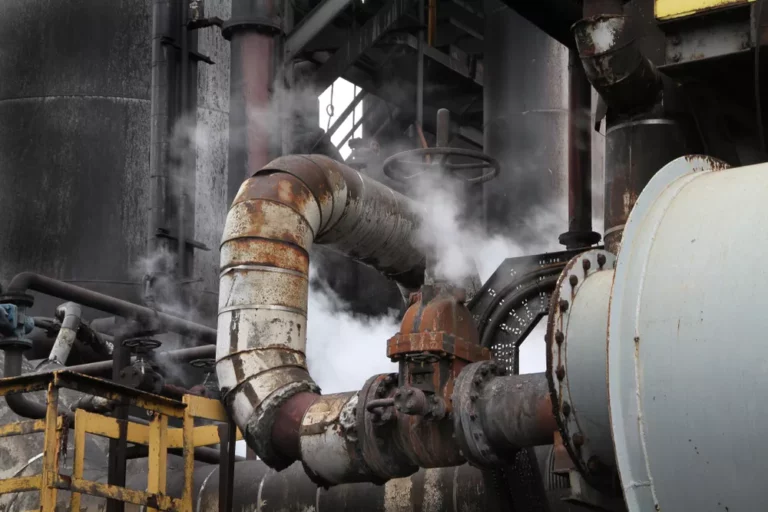
Author: Ing. Mayuly Rodriguez, March 9, 2024. Atmospheric corrosion does not depend exclusively on the affected asset, since it develops under the influence of corrosive factors or agents present in the atmosphere. These factors are humidity, ambient temperature, wind, salinity, acid gases, suspended particles, among others.
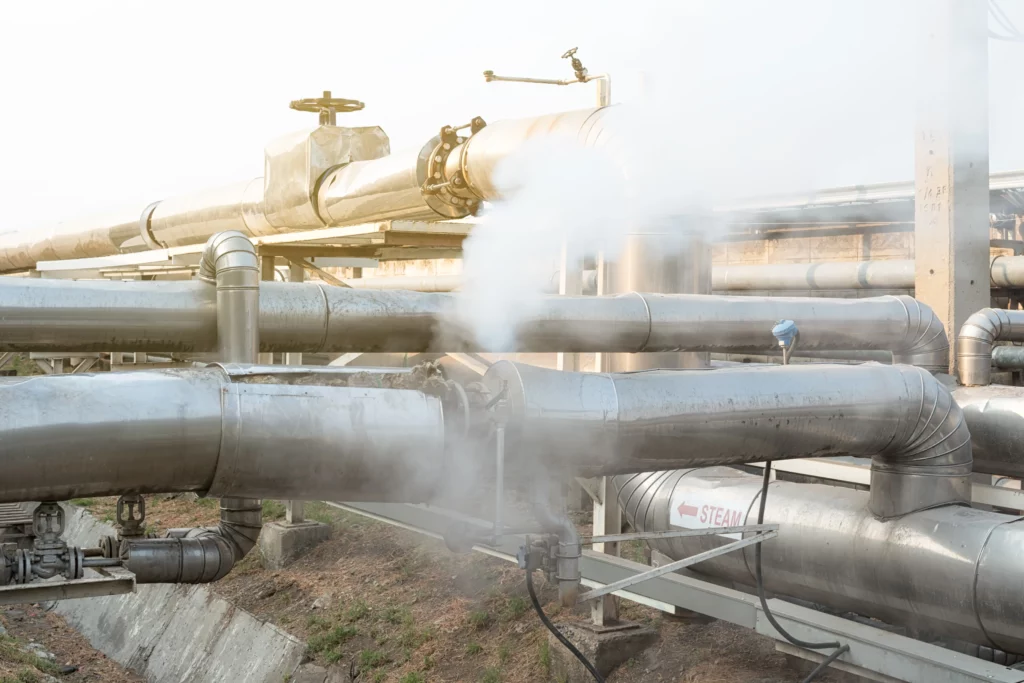
Author: Ing. Mayuly Rodriguez, February 29, 2024. In the oil and gas industry, the optimization of steam systems is essential to reduce costs, maximize energy efficiency and contribute to environmental sustainability.
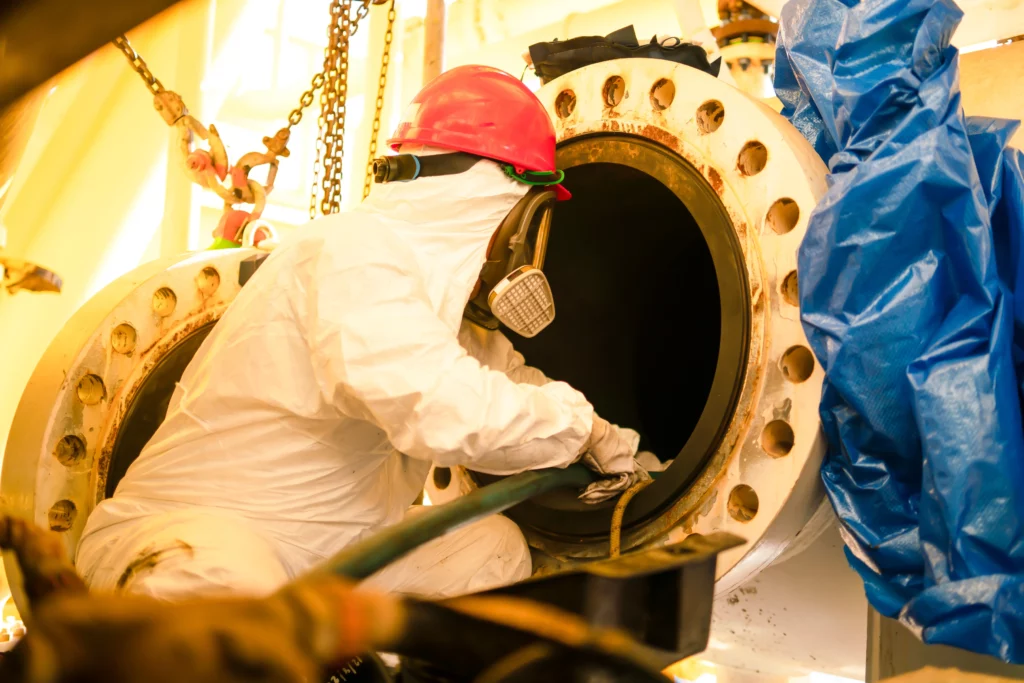
Debris buildup in heat exchangers reduces thermal efficiency and increases energy consumption in refining plants.

Introduction The planning and control of plant shutdown inspections transcends the need to ensure compliance with required or requested inspection activities to ensure the integrity and reliability of…
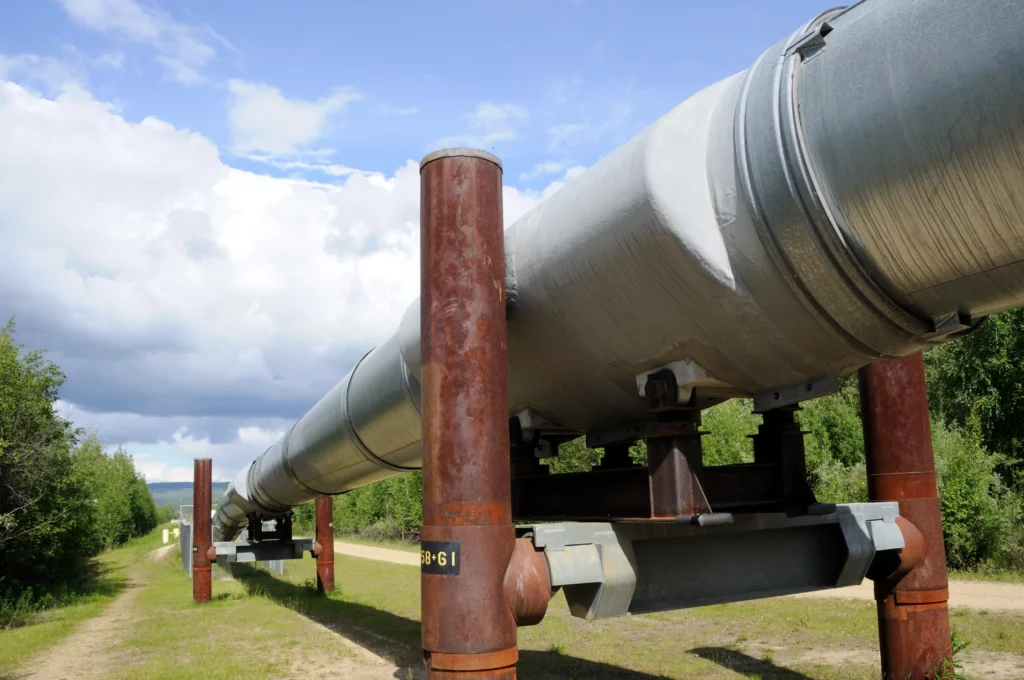
The correct prevention of vibrations in hydrocarbon pipelines minimizes risks and prolongs the useful life of the systems.

Comprehensive occupational health encompasses the prevention of occupational diseases and accidents, considering factors that affect physical, mental and social health.
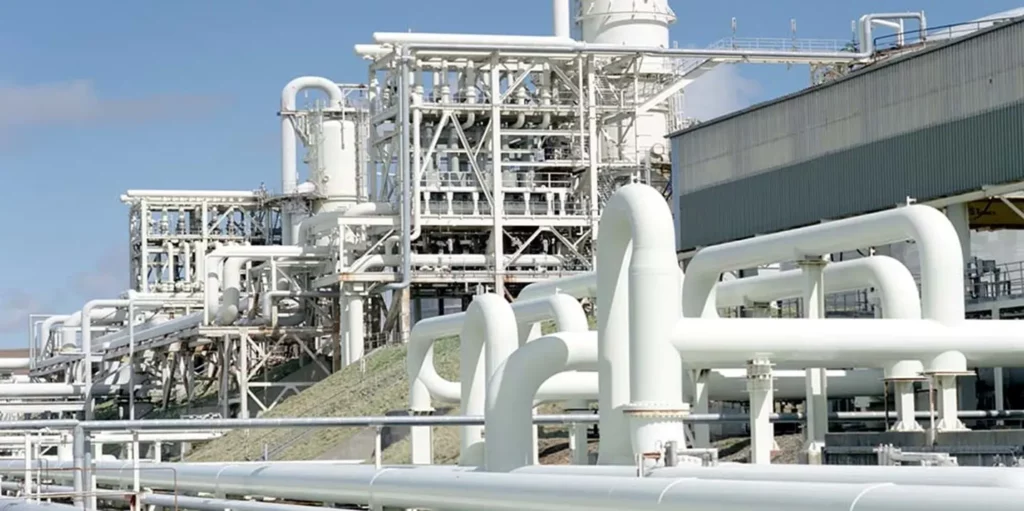
The integration of robotics in the API RP 581 methodology improves safety, efficiency and accuracy in inspections, optimizing structural integrity assessment.

Author: Ing. Mayuly Rodríguez, January 15, 2024. In the energy sector, and particularly in the oil and gas industry, the mechanical integrity of facilities is paramount to ensure safe and efficient operations. Risk management in mechanical integrity is relevant and indispensable not only in preventing failures, but also in guaranteeing the safety of processes, workers and the protection of the environment.
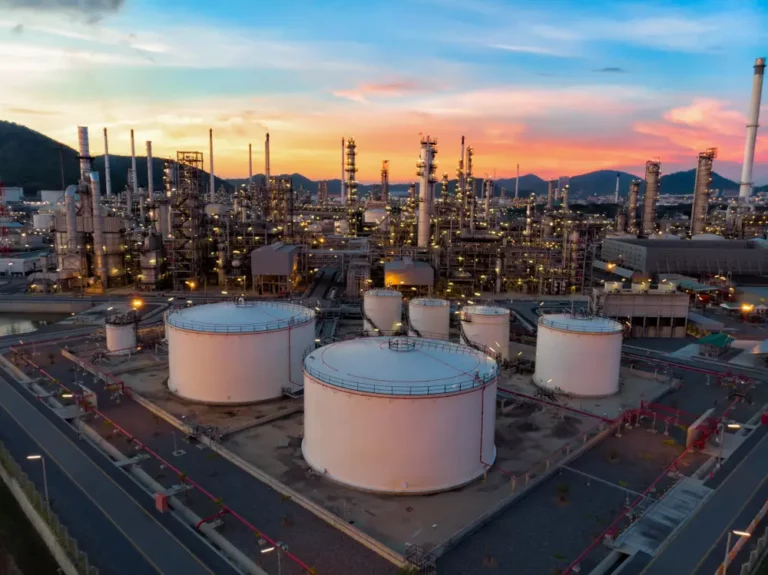
Ensuring mechanical integrity through proactive inspections and maintenance is critical to achieving safe, efficient, and highly reliable industrial operations.