
Elastomeric coatings: Types, applications and key advantages
Exploring the types, applications and advantages of elastomeric coating in industrial protection.

Mechanical Engineer with experience in the oil and gas sector, has technical skills in static equipment inspection, project control, development of work scopes and quality assurance. Contributes to the exchange of knowledge and best practices by writing technical articles related to the energy sector.
Exploring the types, applications and advantages of elastomeric coating in industrial protection.
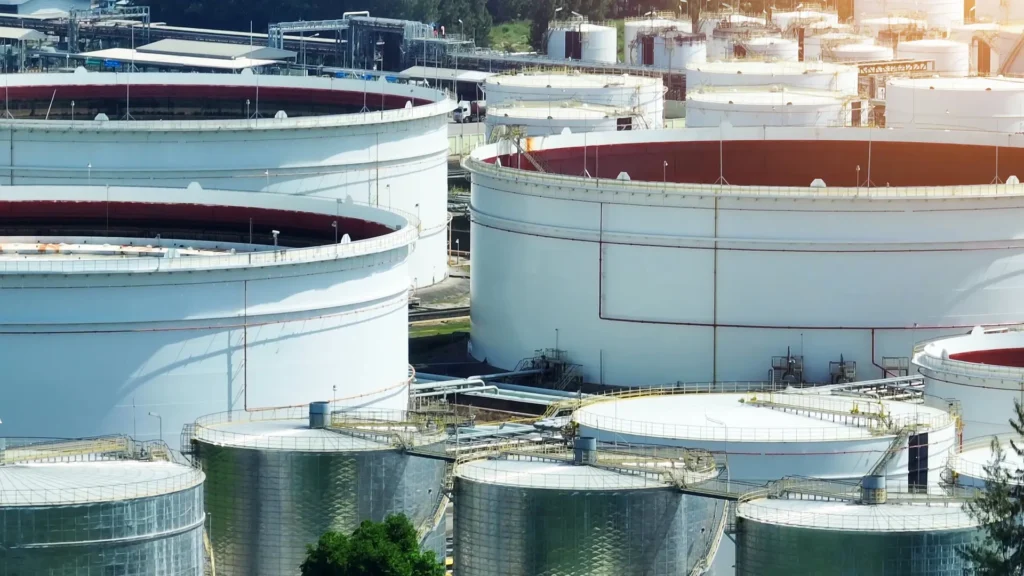
Careful handling of waste in storage tanks is important to avoid environmental and associated risks.

Energy storage is redefining the energy future, reducing the need for fossil fuels.
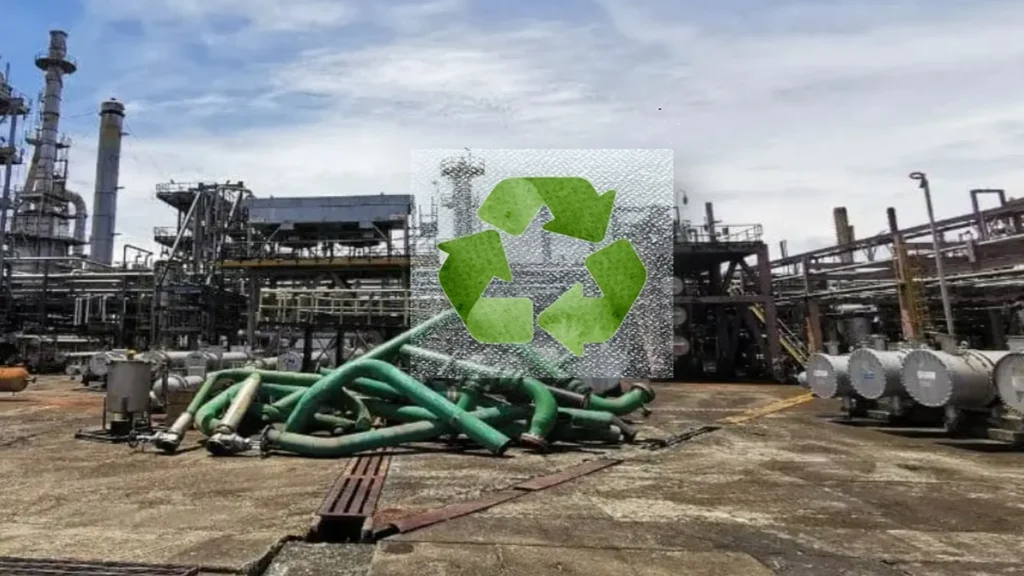
Promoting the integration of the circular economy in industrial dismantling.

Providing knowledge on the selection, use and storage of coated electrodes in welding.
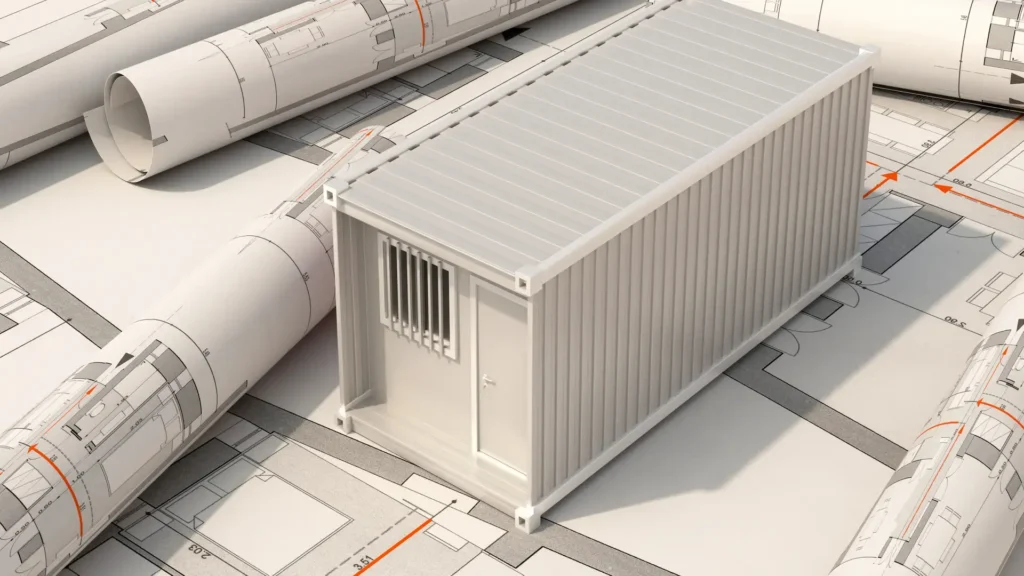
Exploring how modular construction on project efficiency improves the use of time, resources, and sustainability.

Logistics in the energy transition ensures sustainability at every stage of this process.
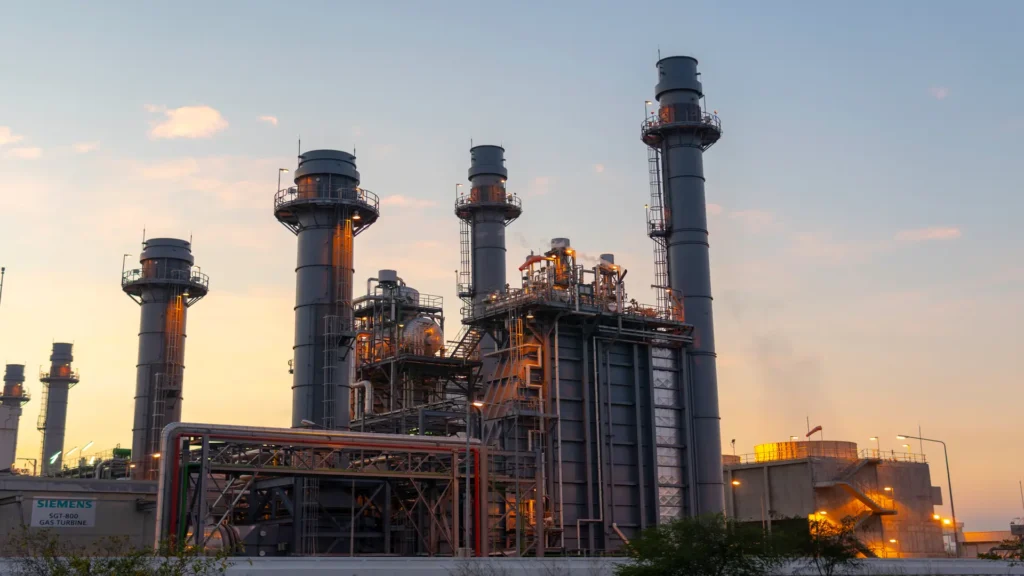
Increase energy efficiency in industrial boilers, reduce costs and environmental impacts.

Analyze the strategic importance of maritime terminals in the global value chain.
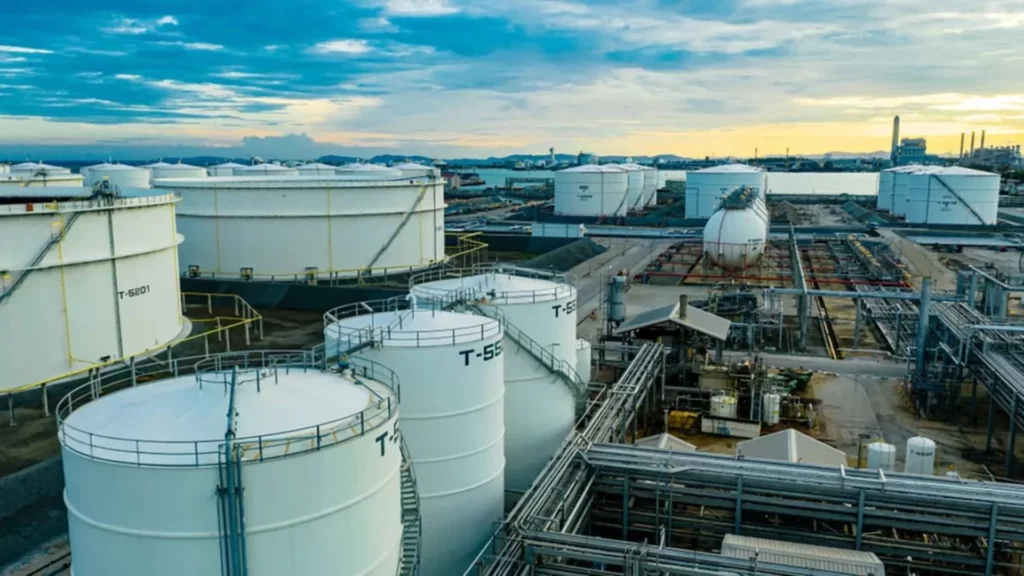
Safety and emission control systems protect and optimize operations in low-pressure storage tanks.

Optimize inspection with RBI for enhanced storage tank reliability and effective maintenance under API RP 580 standard.

Maximizes oil extraction with enhanced recovery techniques. Learn how to maintain optimum production.