

Comprehensive occupational health: Prevention & control in workplace
Comprehensive occupational health encompasses the prevention of occupational diseases and accidents, considering factors that affect physical, mental and social health.

Mechanical Engineer with experience in the oil and gas sector, has technical skills in static equipment inspection, project control, development of work scopes and quality assurance. Contributes to the exchange of knowledge and best practices by writing technical articles related to the energy sector.
Comprehensive occupational health encompasses the prevention of occupational diseases and accidents, considering factors that affect physical, mental and social health.
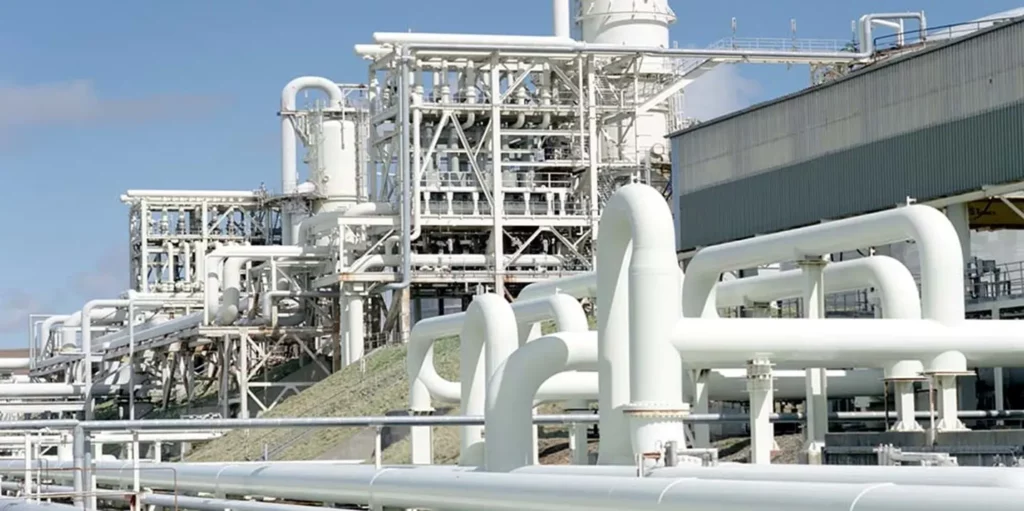
The integration of robotics in the API RP 581 methodology improves safety, efficiency and accuracy in inspections, optimizing structural integrity assessment.
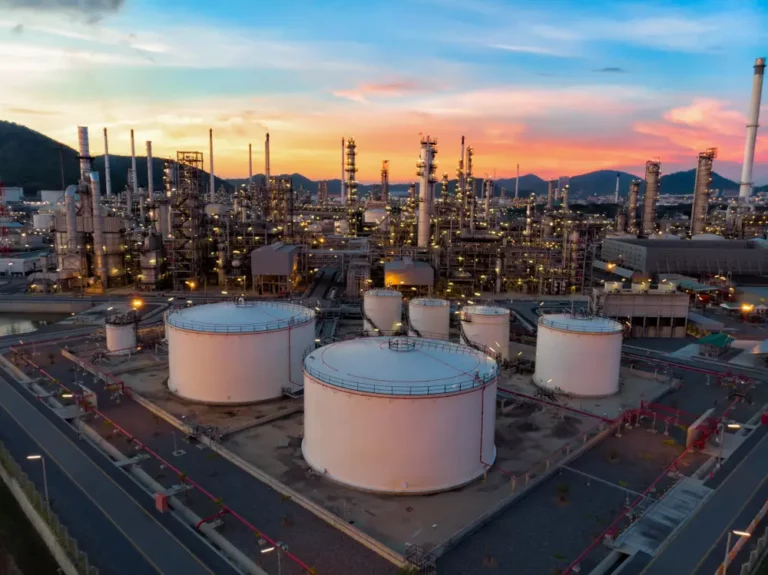
Ensuring mechanical integrity through proactive inspections and maintenance is critical to achieving safe, efficient, and highly reliable industrial operations.

The macro processes of the oil & gas industry are crucial for the transformation towards a more sustainable and responsible energy future.
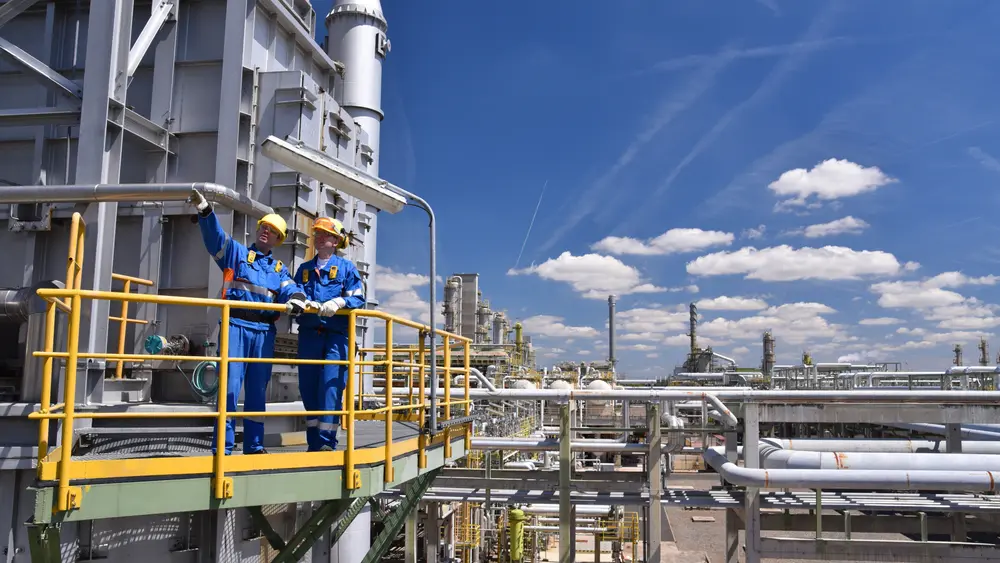
Plant shutdowns affect the environment with emissions and industrial waste.
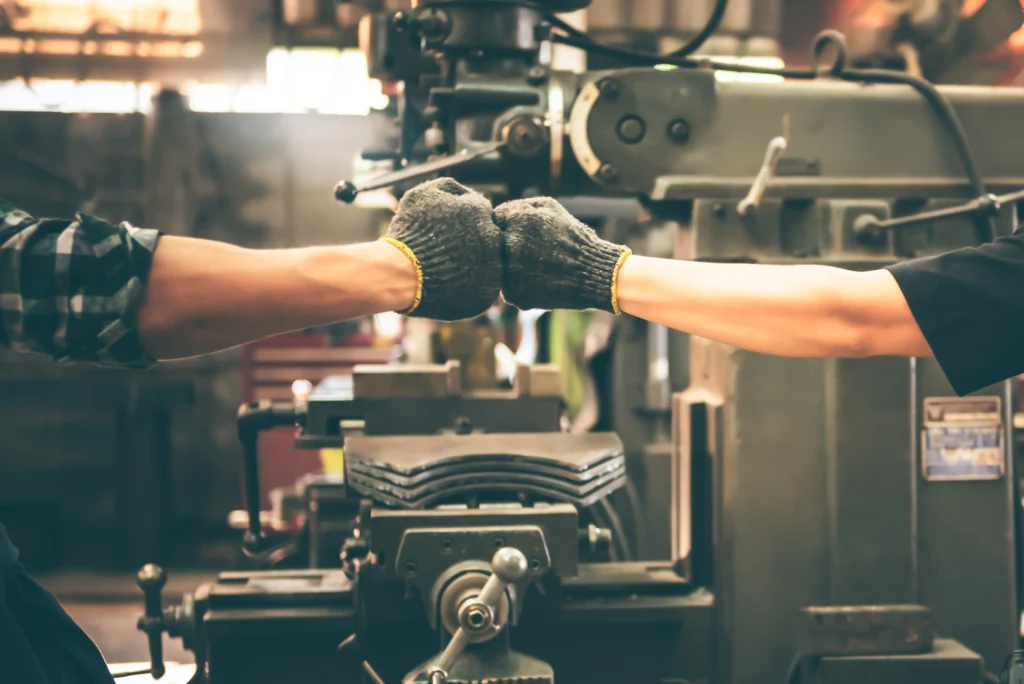
Asset management involves maintaining equipment, preventing failures and ensuring reliability through effective control and proper maintenance.

Effective asset management improves strategic decisions and optimizes the lifecycle of the company's physical resources.

Digitization has revolutionized industrial inspections, making it possible to collect, store and analyze massive data to optimize asset management.

The marine environment requires advanced technical solutions to keep wind turbines operational under extreme conditions.

The oil and gas industry is a major source of greenhouse gases, especially CO2, contributing to climate change.

The AMPP is a leading global organization that develops standards for corrosion management and brings together materials experts.

Early detection of imperfections through Non Destructive Testing is key to ensure safety and reliability in the industry.