
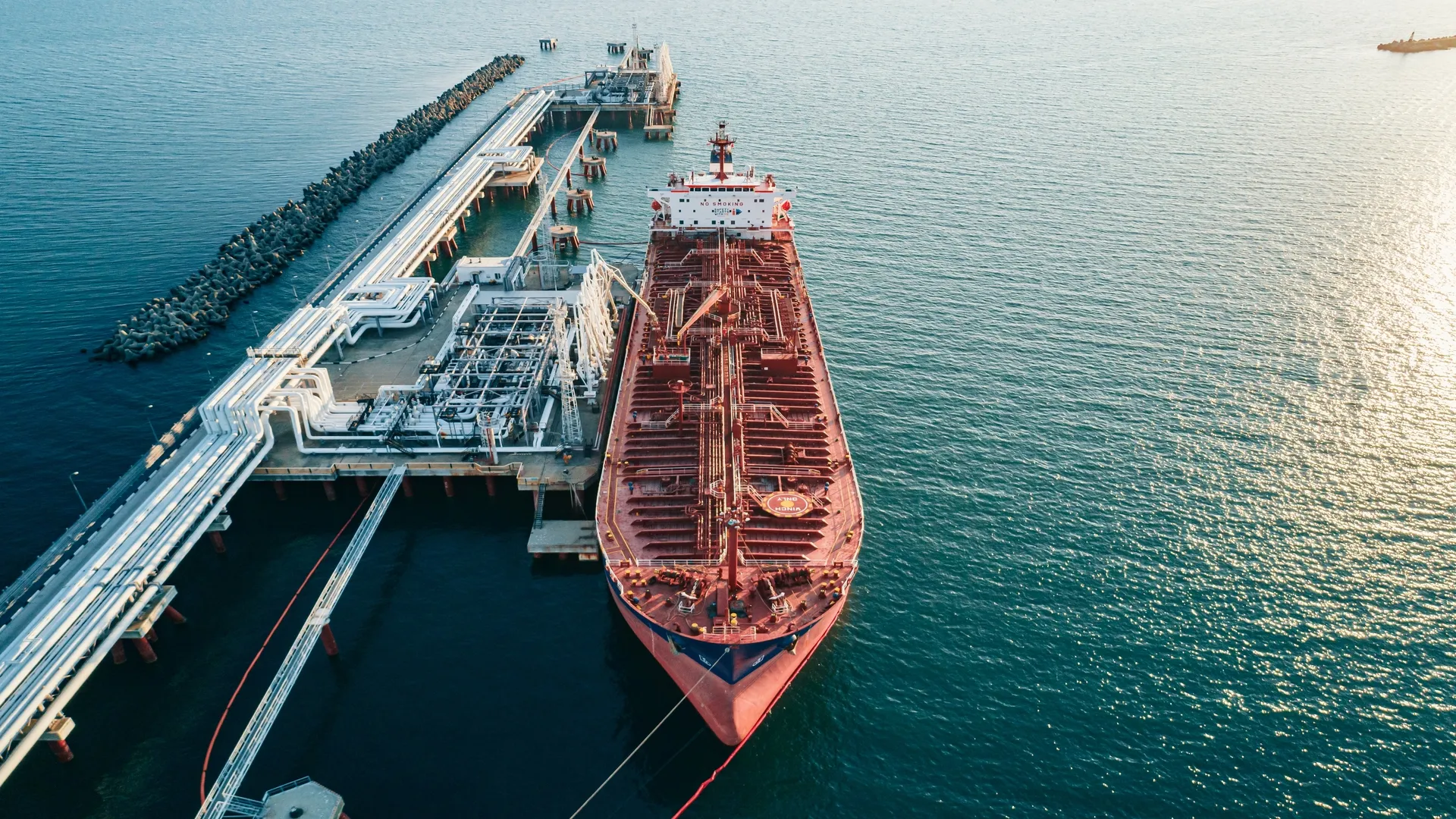
Marine terminals are a vital link in the global energy chain. They connect producers, vessels, and consumers, ensuring that energy flows safely and efficiently.
As the energy transition accelerates, their role is evolving. Facilities that once handled only conventional fuels are now managing a broader and more complex energy mix that includes biofuels, LNG, methanol, ammonia, and hydrogen.
The Latin American Society of Oil Maritime Terminal and Monobuoy Operators (SLOM) brings together the marine terminal industry to achieve safe, efficient, and sustainable operations. Its mission is to unite operators, technical bodies, regulators, suppliers, and academia around a shared purpose. The goal is to help marine terminals improve existing operations while facing the future with confidence. This article outlines our vision for the years ahead.
The global context
Energy transition and climate change
Energy systems are undergoing changes in various ways worldwide. Some countries are reducing oil production, while others are increasing it. At the same time, new energy carriers such as biofuels, LNG, ammonia, and hydrogen are gaining importance.
Terminals are at the center of this transformation. They must adapt to handle new products and new risks while maintaining the safety and reliability expected from existing operations.
Climate change adds another layer of complexity. More frequent extreme weather events and rising sea levels necessitate that terminals enhance their resilience and reassess their infrastructure and operational methods. Adaptation is now essential to maintain continuity and protect people, assets, and the environment.
Maritime decarbonization
The maritime sector is moving toward lower emissions. Efficiency measures, low-carbon fuels, and new technologies are reshaping the way ships operate and the support they need from terminals.
Better scheduling and just-in-time arrivals reduce waiting times and emissions. Onshore Power Supply (OPS) allows ships to switch off engines while at berth.
Terminals are also becoming key suppliers of new marine fuels. They will manage storage, blending, and transfer of products that may be more volatile or more toxic than conventional fuels. Handling these products safely will require new standards, equipment, and updated training.
Additionally, the industry is preparing for activities such as carbon capture, transportation, and storage. Liquid CO2 as a cargo may become part of the same logistics network that terminals already operate).
Innovation and digitalization as enablers
Innovation is a means to improve safety, reliability, and sustainability. Digital systems can collect and analyze operational data, enabling the detection of risks early and identifying issues before they become incidents.
Technology is essential to enable people to make better decisions and ensure operational safety. However, technology alone is not enough. Safety depends on people who understand both the systems and their limits.
The human factor as the new frontier for safety
Safety remains the foundation of marine terminal operations. The human factor is the new frontier of safety.
Industry initiatives, such as OCIMF SIRE 2.0 for ships, highlight the importance of addressing factors that affect human performance to minimize the likelihood of human error.
The challenges ahead and SLOM’s mission
The next decade will bring new challenges to the marine terminal industry. Operators must balance investment between
maintaining existing infrastructure and preparing for new fuels. They must manage greater complexity as they handle more diverse and demanding products, while continuing to improve efficiency without compromising safety.
Latin America and the Caribbean face the challenge of aligning with global standards while addressing their own realities. The region’s diverse geography, regulatory environments, and operating conditions have shaped a unique experience and technical knowledge. Many of these practices are now examples of excellence that can benefit the global maritime community. At the same time, SLOM is committed to helping local operators learn from international best practices and adapt them to regional contexts.
SLOM aims to become a global reference for safe and sustainable terminal operations. To achieve this, we will strengthen cooperation with international organizations and technical bodies, ensuring that the experience of Latin American terminals contributes meaningfully to global discussions about energy and safety.
Safety and sustainability guide everything we do. We will help members apply the industry’s best practices for operational integrity and environmental protection, while also preparing them for the safe handling of new fuels and decarbonization technologies, such as onshore power supply. Our goal is to collaborate in the development of knowledge that will define the next chapter for the industry.
Innovation will continue to play a role in enhancing safety and sustainability. By promoting knowledge exchange and practical partnerships, we will help transform innovation into tangible improvements in terminal operations.
Our organization also values diversity and inclusion. The SLOM Board already includes equal representation of women and men, as well as professionals from four countries in Latin America. This balance reflects our belief that diverse teams make better decisions and drive innovation more effectively. We will continue to create opportunities for professional development and collaboration across our membership, recognizing that empowering individuals is the most effective way to ensure long-term safety and sustainability.
Collaboration is the foundation of our community. We will expand technical support to members through workshops, working groups, and benchmarking initiatives. By promoting open dialogue and sharing experiences, we can prevent repeated errors and accelerate collective learning. Transforming individual lessons into shared knowledge will allow members to adapt more quickly to new regulations, market demands, and technological changes.
We also recognize that excellence depends on continuous learning and improvement. Mistakes are inevitable in complex systems, but what defines success is how quickly we identify, learn from them, and adjust course. SLOM will continue to promote transparency and direct participation of members in our governance, fostering a strong learning culture.
Conclusions
SLOM’s direction for the coming years is clear. We will strengthen our global presence, deepen collaboration, and share knowledge to ensure safe, efficient, and sustainable operations at marine terminals.
SLOM is not just an association; it is a community that learns and evolves. It is a place where mistakes become knowledge, challenges turn into opportunities, and colleagues become lasting allies.
Our commitment is to promote human talent development and the adoption of good practices and international standards that enhance safety and operational efficiency. With a global outlook and Latin American roots, we will continue to work towards making SLOM an international reference in safe, sustainable, and efficient operations, actively contributing to the development of the maritime and port sector, as well as the global energy transition.
This article was developed by specialist Filipe Santana and published as part of the seventh edition of Inspenet Brief February 2026, dedicated to technical content in the energy and industrial sector.