
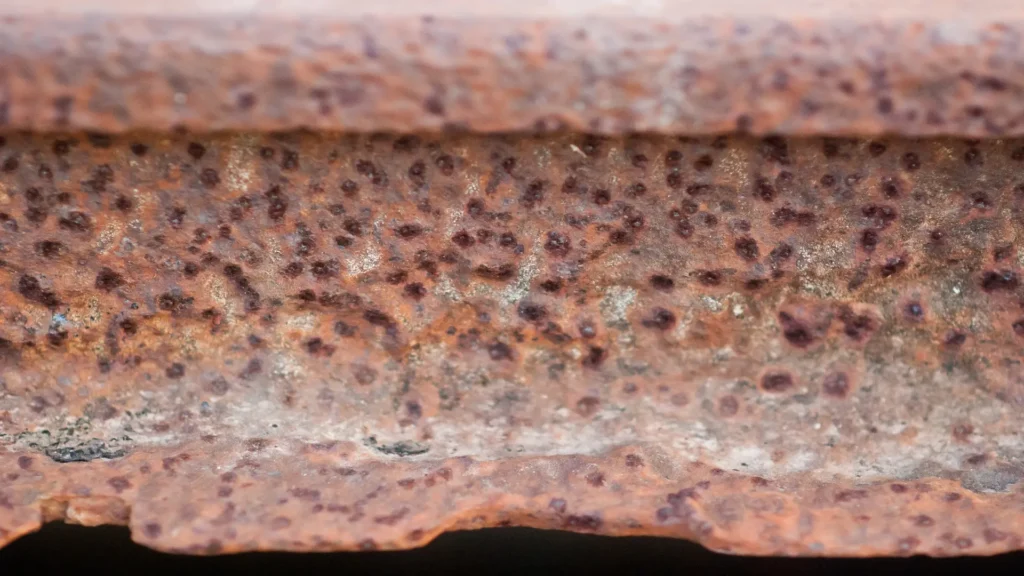
Strategies for identification and prevention of pitting corrosion
Optimize the strength of your structures by identifying and preventing pitting corrosion.
Optimize the strength of your structures by identifying and preventing pitting corrosion.
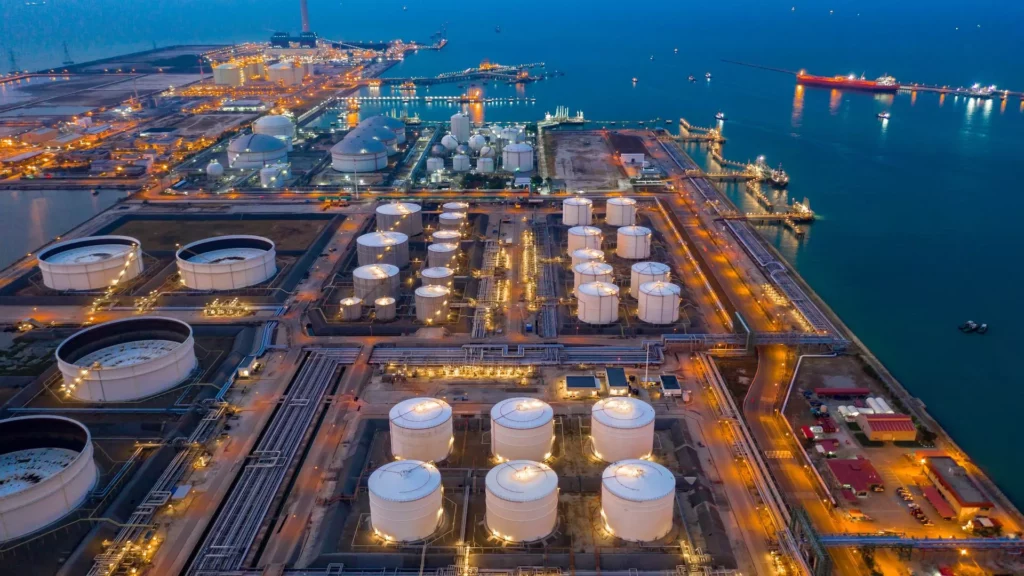
Overview of internal corrosion in petroleum storage tanks.
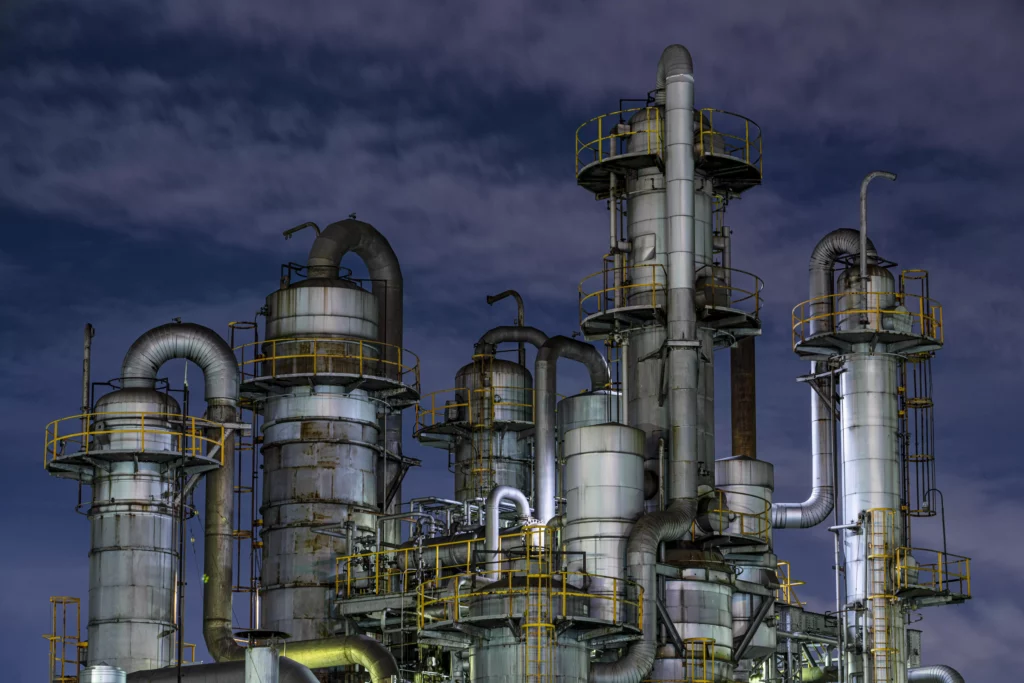
Develop effective strategies to mitigate fouling in vacuum columns.
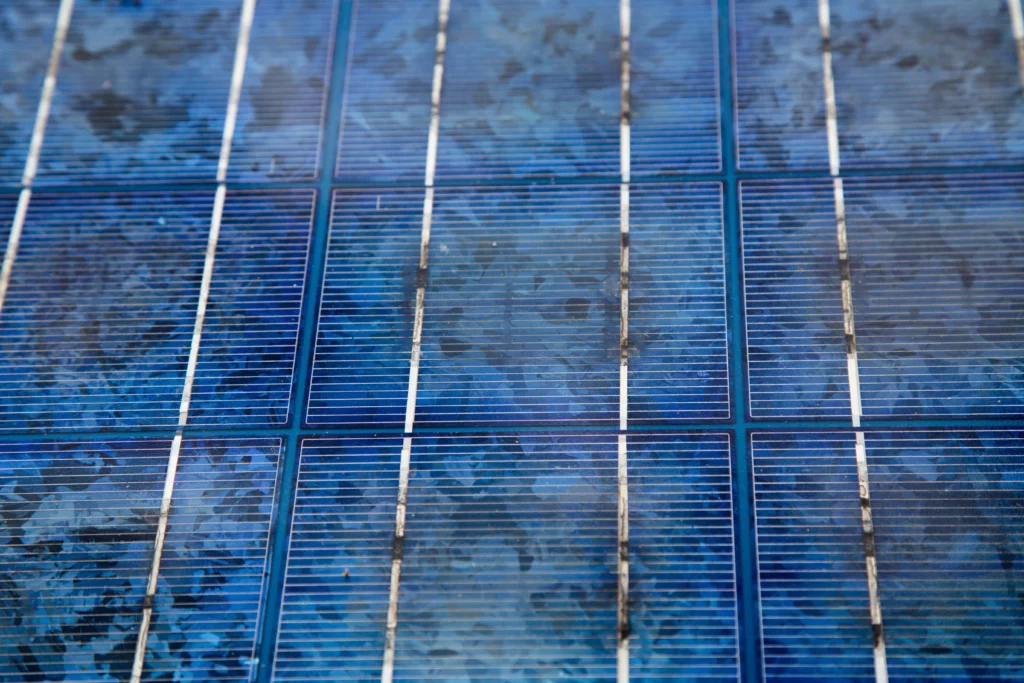
Author: Ph.D. Yolanda Reyes, March 24, 2024. Corrosion in solar panels represents a significant problem in the solar energy industry, caused by exposure to aggressive environmental conditions. Corrosion in photovoltaic modules will lead to a reduction in module power output and affect the entire output of your system. In this respect, advances in materials play an important role, especially in the manufacture of these components.
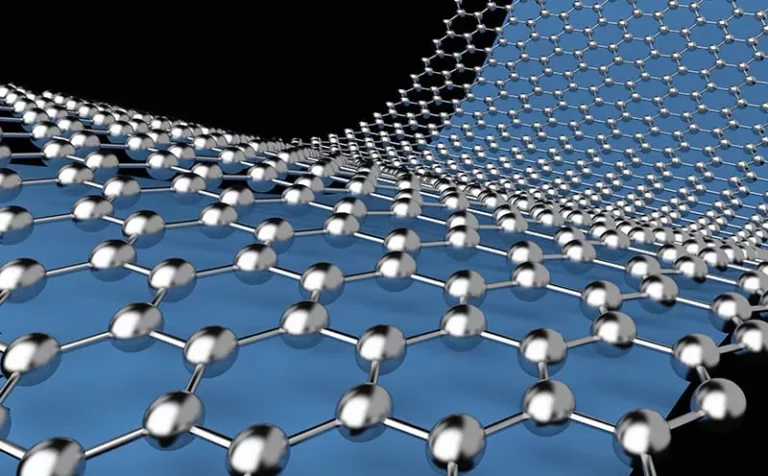
Graphene coatings significantly reduce corrosion in metallic structures, extending their useful life.
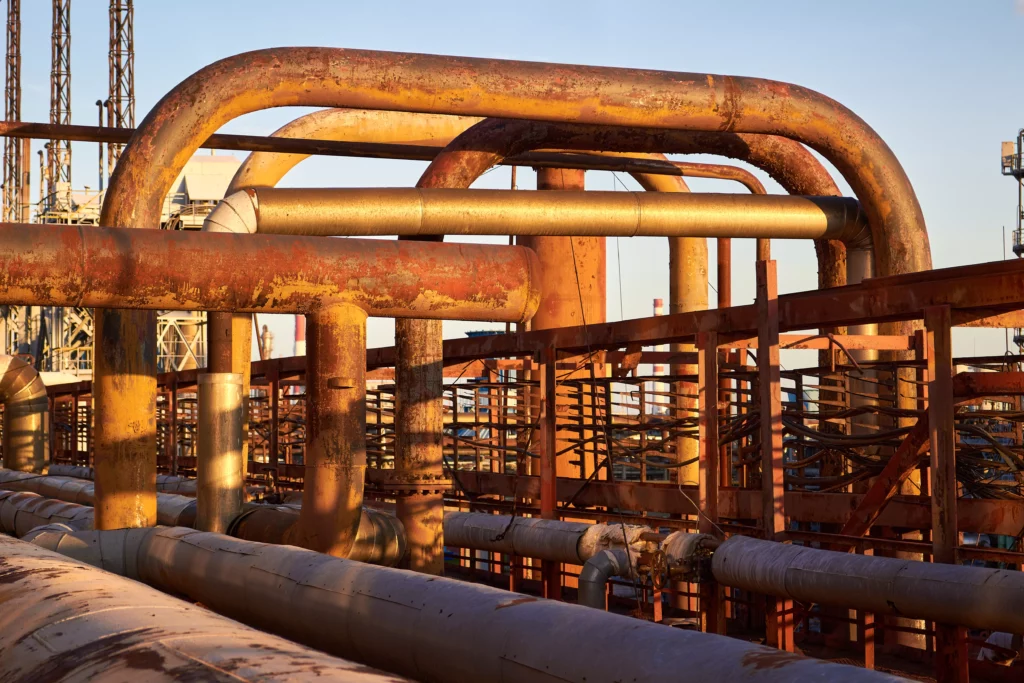
Corrosion in the oil industry causes failures and high costs. AMPP helps prevent damage and maintain operational efficiency.

Author: Ph.D. Yolanda Reyes, February 16, 2024. Occupational Health and Safety actions in mining go beyond simply controlling and preventing the risks inherent to this activity. This is a comprehensive strategy that seeks not only to safeguard workers' health, but also to instill a safety culture rooted in active awareness of the importance of safety protocols.

Renewable energies are crucial to energy security and the fight against climate change, driving a sustainable future.
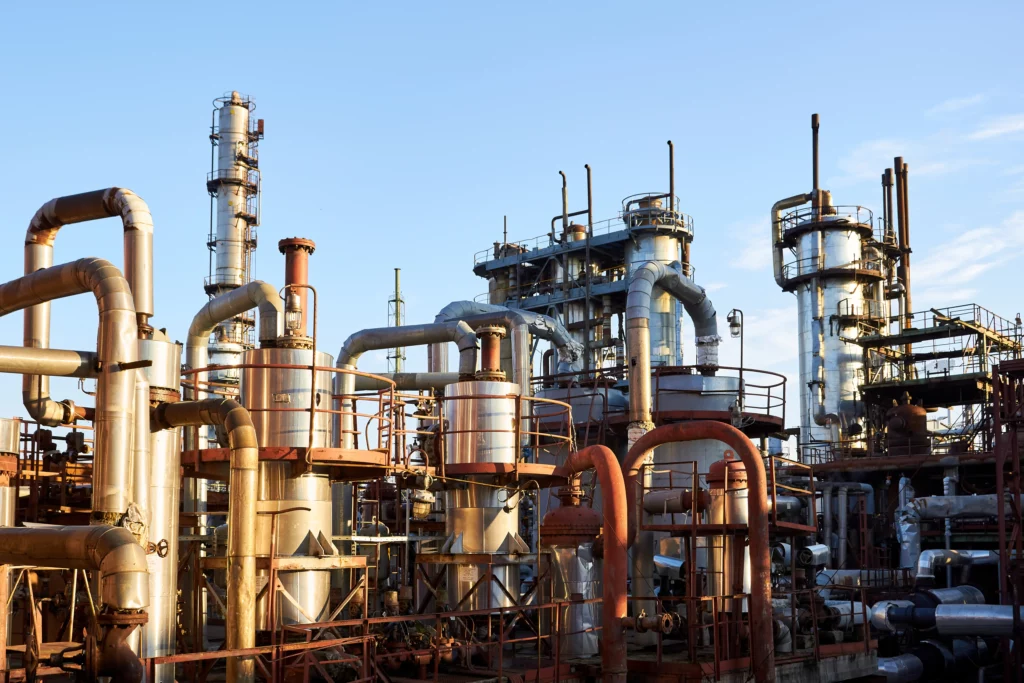
Crude oil, which originates in natural deposits, contains components such as groundwater and sediments, causing corrosion and economic losses in its processing.
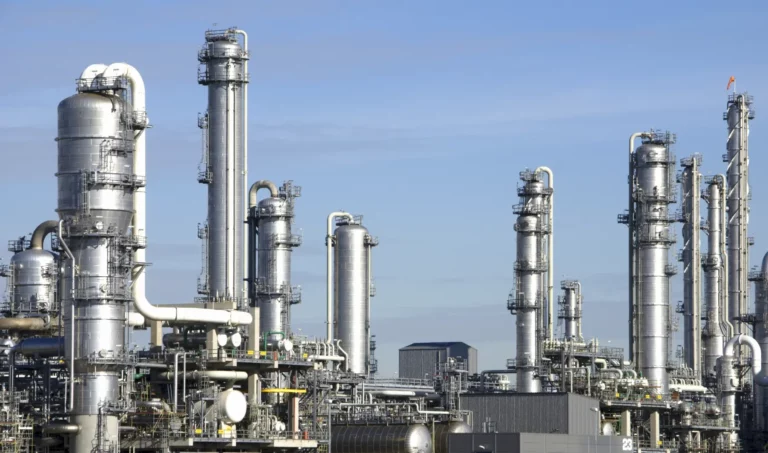
Atmospheric distillation is the most prevalent and dominant unit operation in chemical industries requiring distillation of large volumes of fluids.
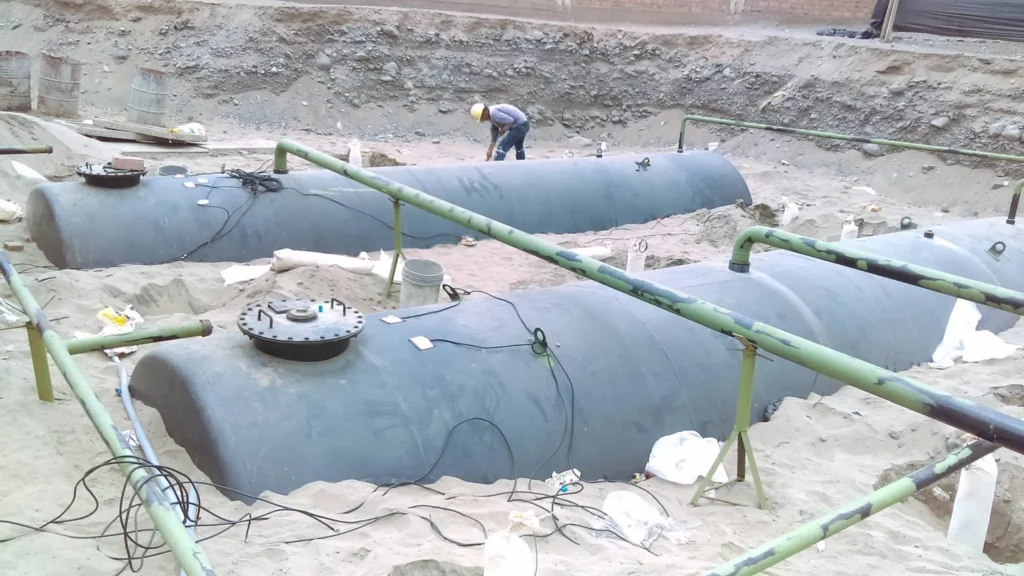
Pulsed Current Cathodic Protection (PCCP) offers superior corrosion control in buried pipelines over traditional methods.
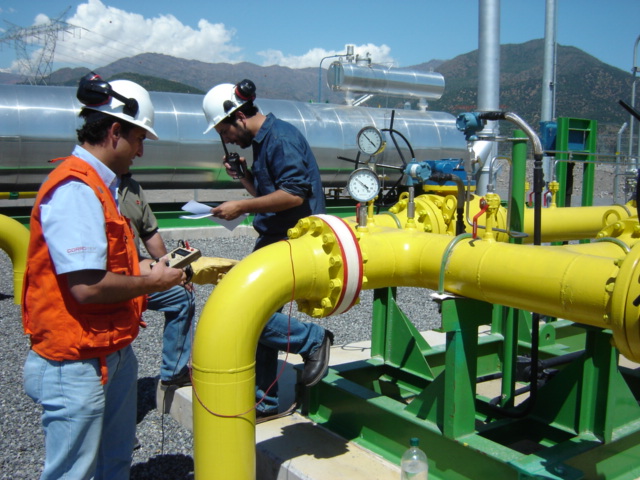
Pipeline corrosion and erosion monitoring is crucial to minimize unplanned shutdowns and preserve the integrity of industrial assets.