

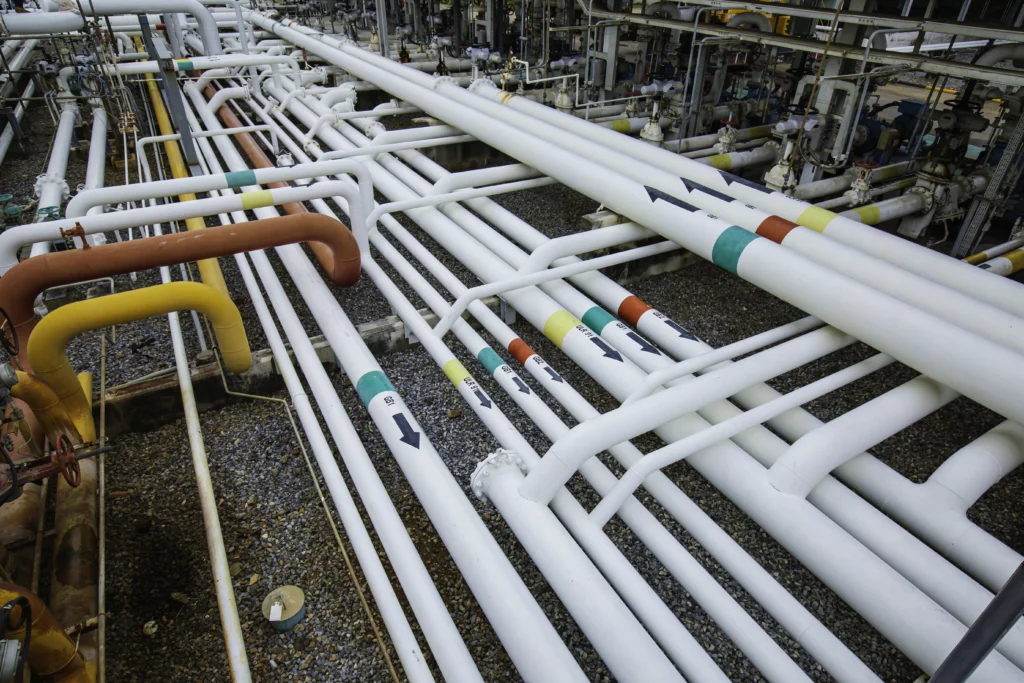
Analysis for the delimitation of inspections in pipe circuits
Piping circuit inspections ensure safety, efficiency and reliability, preventing failures with serious consequences on services, environment and safety.
Piping circuit inspections ensure safety, efficiency and reliability, preventing failures with serious consequences on services, environment and safety.
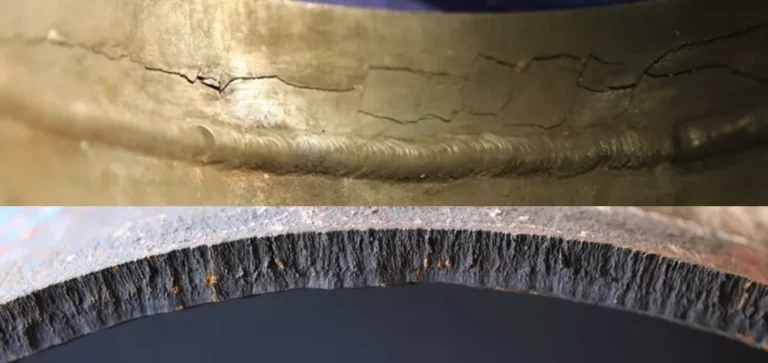
Caustic cracking compromises the integrity of steel; its prevention requires control of materials and operating conditions.

Offshore waste management requires segregation, control and environmental compliance to mitigate operational and legal risks.

Erosion corrosion reduces thickness and compromises structural integrity in subsea pipelines.

Overview of regulatory compliance in business technologies, addressing risk management, legal frameworks, and best practices for tech integration.

Application of computational models that replicate physical objects to optimize processes, predict failures, and improve real-time decisions.
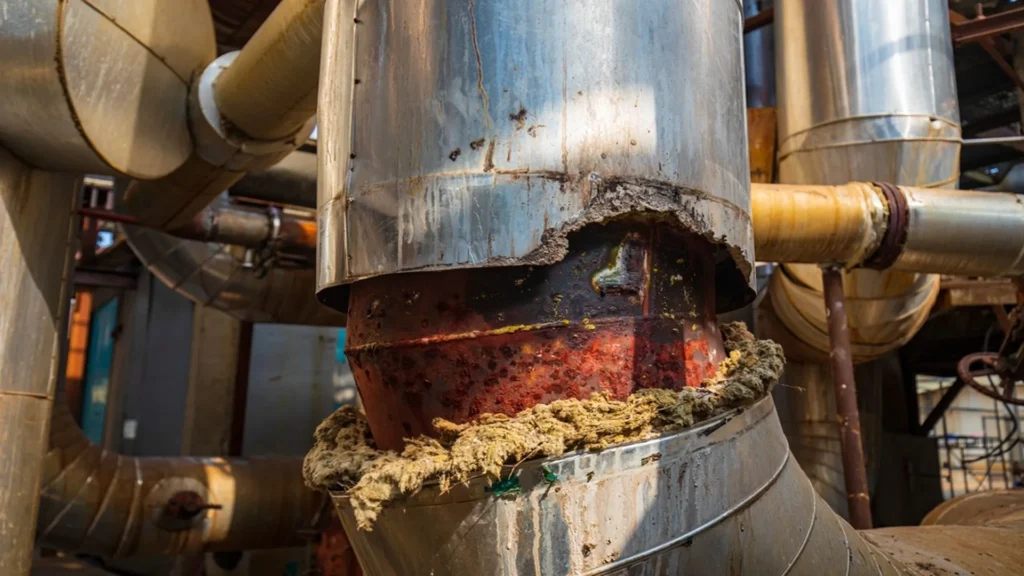
Addressing Corrosion Under Insulation in oil and energy requires a Risk Based Assessment (RBI) for effective management strategies.
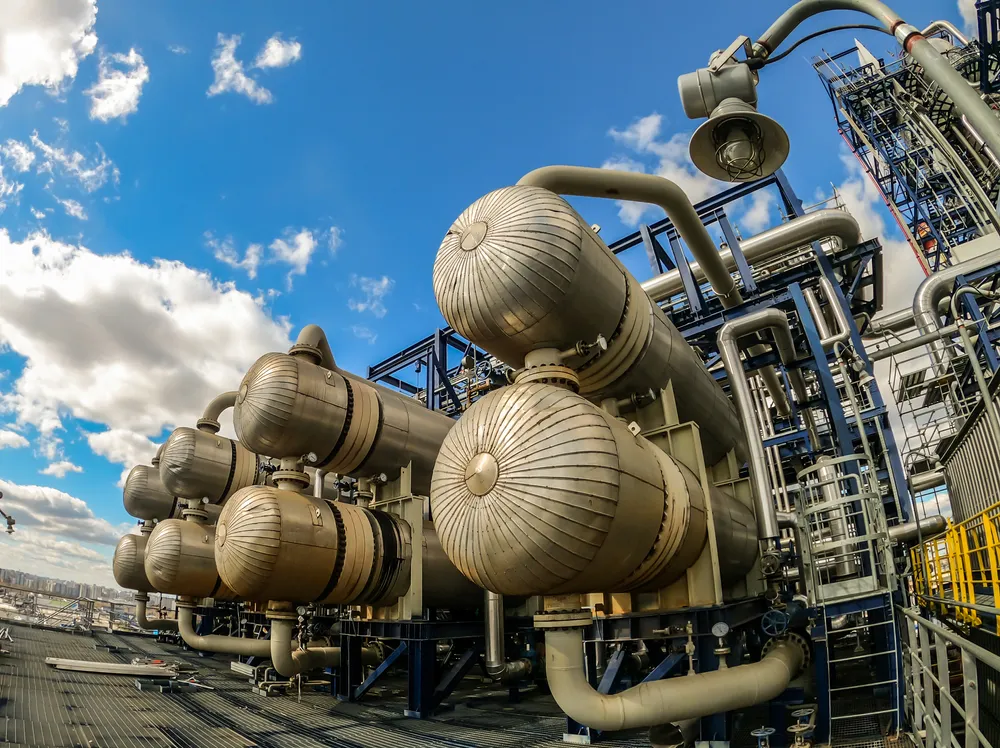
Inspenet, January 3, 2024. Heat exchangers have been an essential, but often underrated component. These devices, crucial in the age of fossil fuels, are undergoing a significant transformation in the transition to cleaner and more sustainable energy sources.

Asset integrity management (AIM) ensures that physical, industrial and energy assets are kept safe, operational and reliable.

Application of automated systems and robotics to improve processes, safety and results in the oil industry.

Efficient asset management reduces operational failures and emissions in the energy sector.

IoT sensors are transforming pressure management in Oil & Gas facilities, improving risk management and operational efficiency.