
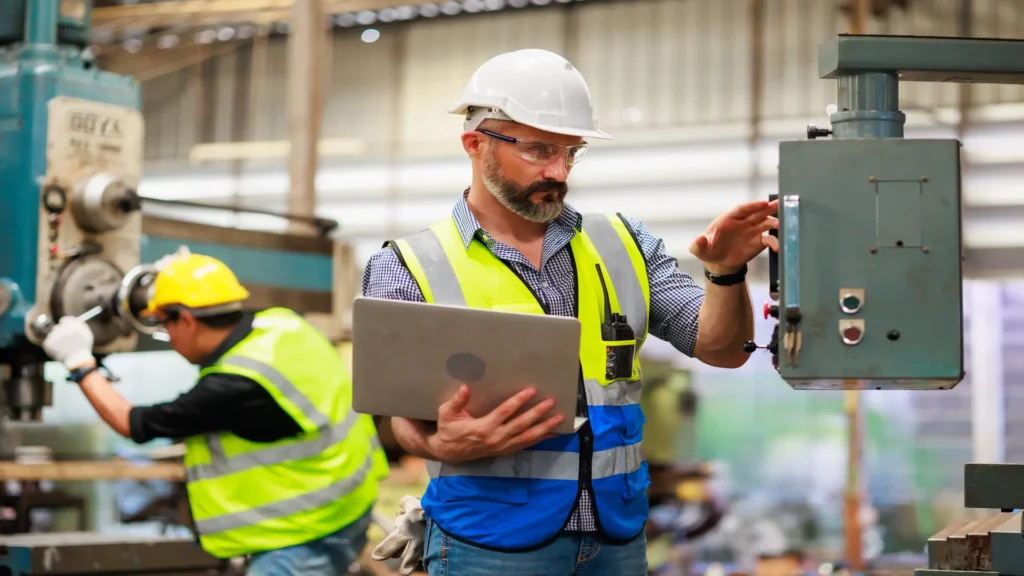
Impact of collaborative skills on teamwork and asset management
Strengthening collaborative skills to improve teamwork and asset maintenance in industrial environments.
Strengthening collaborative skills to improve teamwork and asset maintenance in industrial environments.
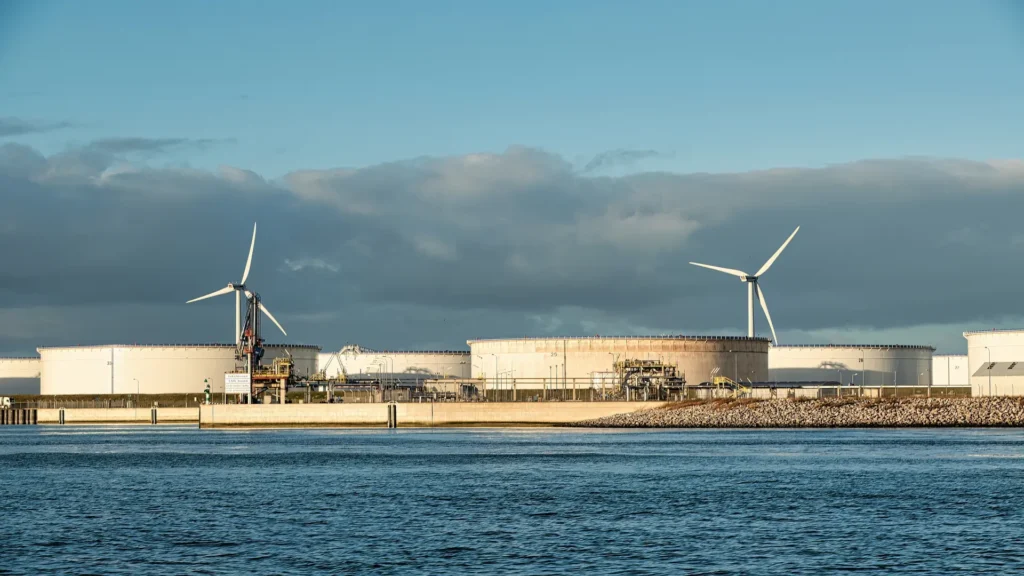
Analyzing engineering costs in the implementation of clean technologies in refineries.
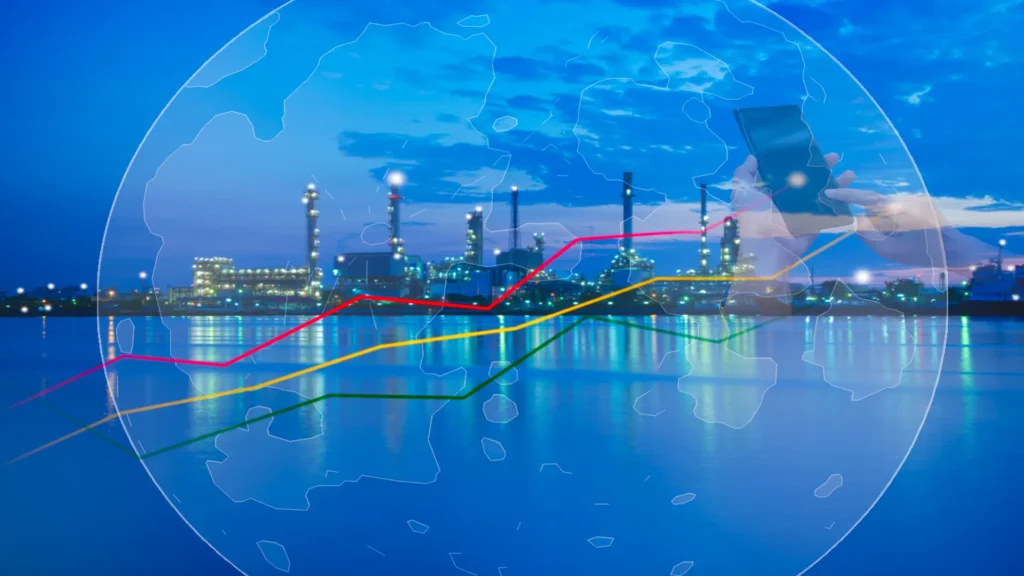
The oil and gas industry must adapt quickly to environmental awareness.
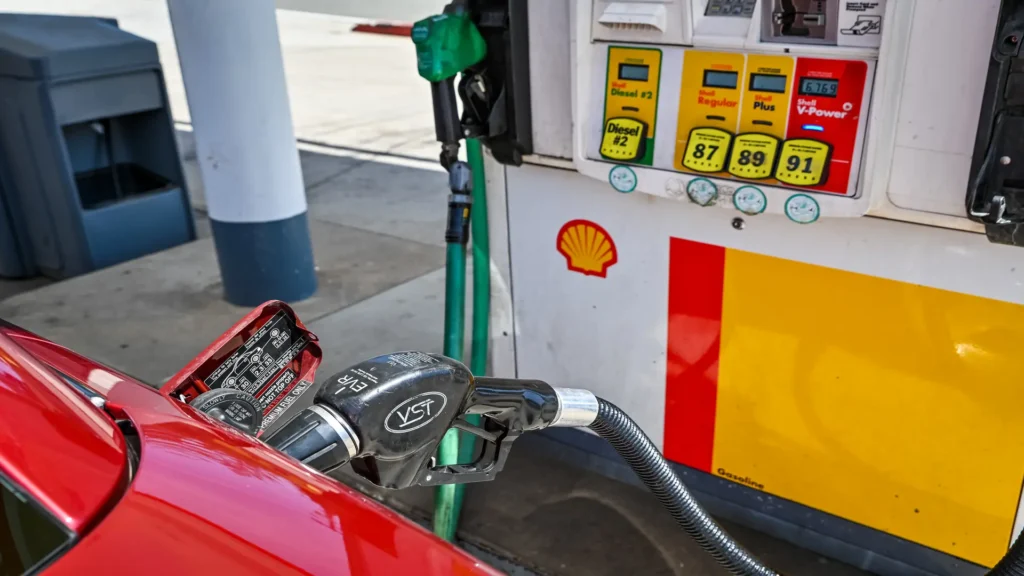
Knowing the types of gasoline is key to improving efficiency and prolonging engine life.
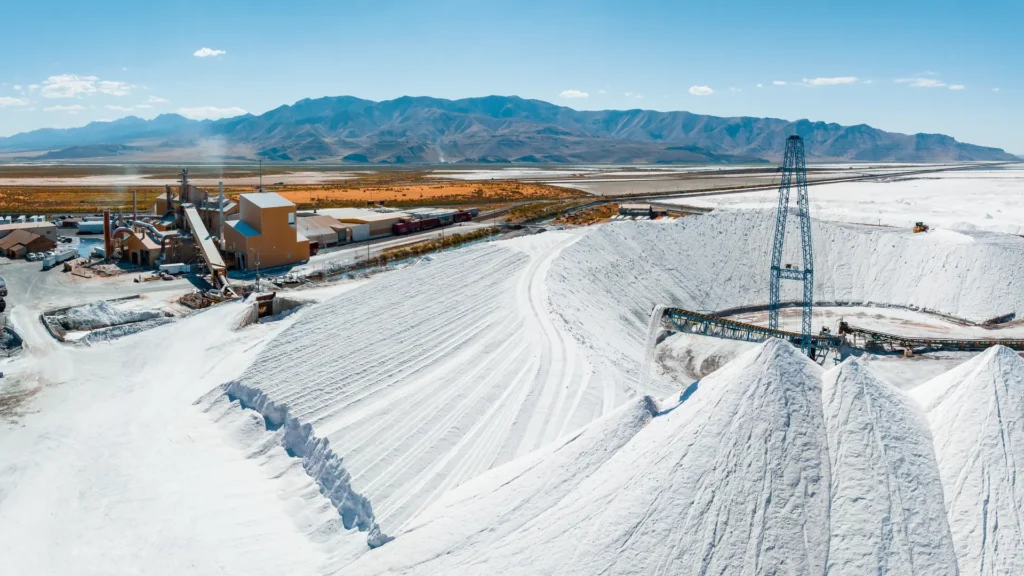
Optimizing the mining supply chain to improve efficiency and sustainability.
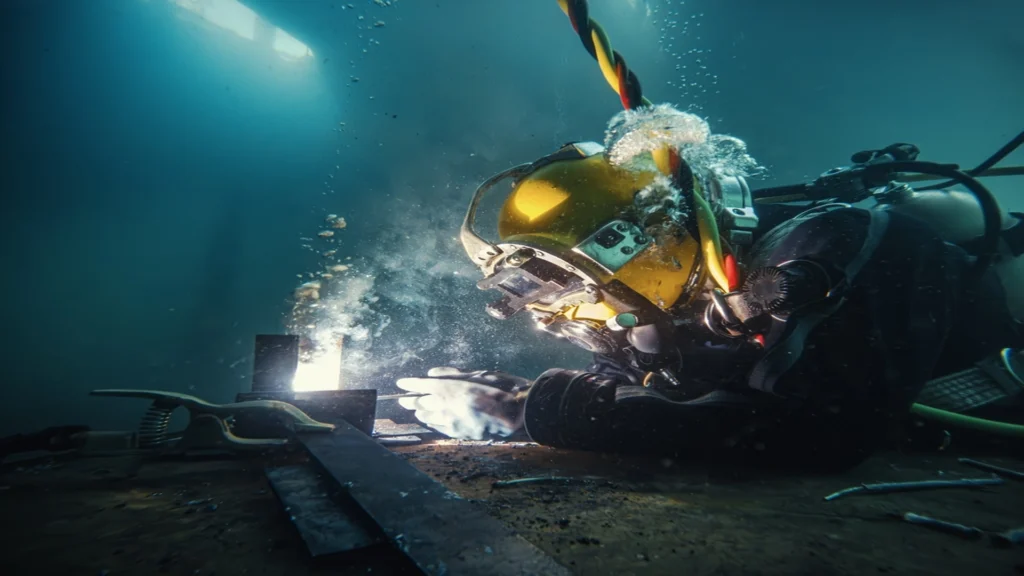
Promoting safety awareness in underwater welding, minimizing risks for a safer tomorrow.
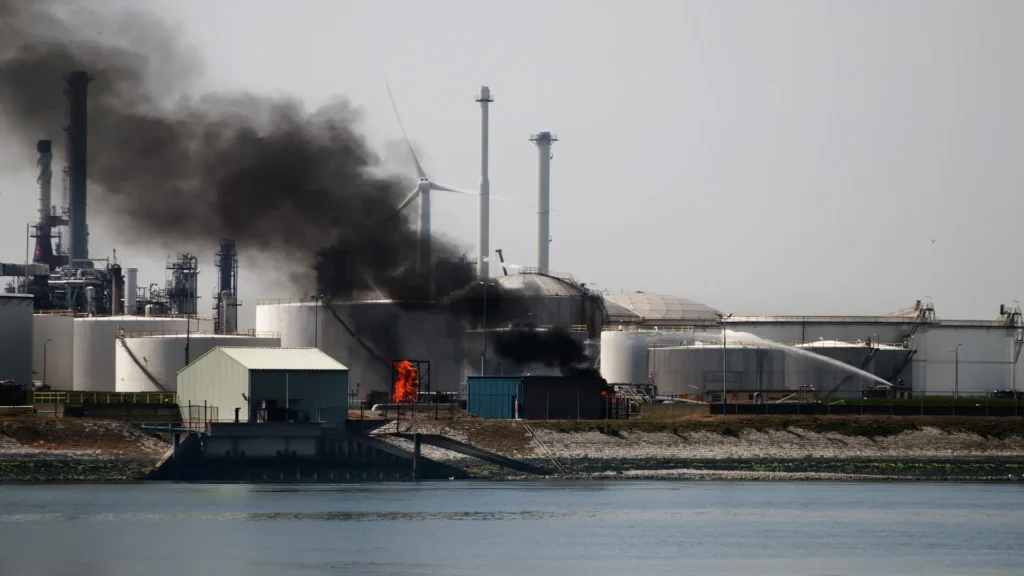
Identifying and preventing failure modes in hydrocarbon storage tanks to ensure their integrity and safety.
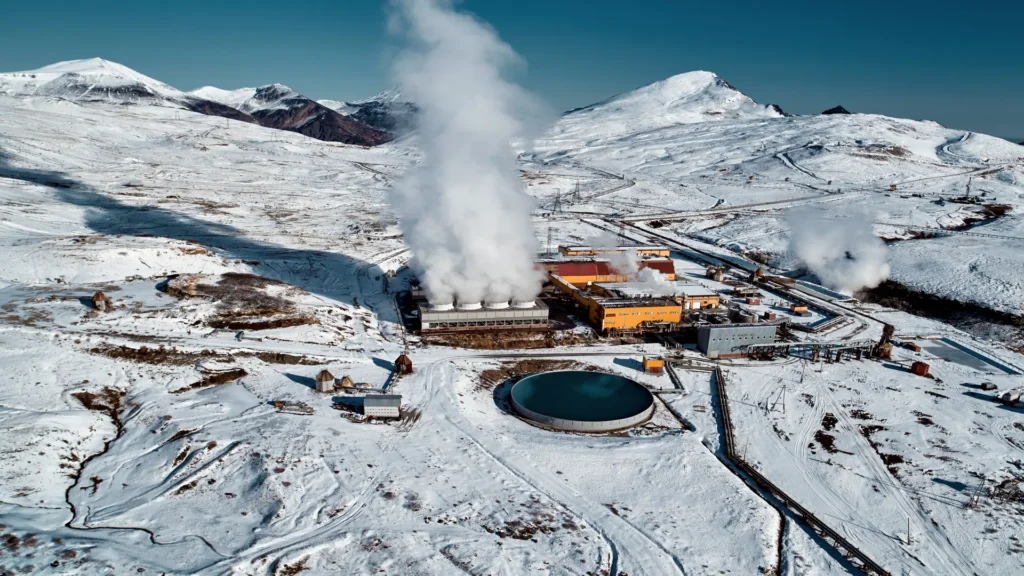
Analyze the pros and cons of geothermal energy in the current energy context.
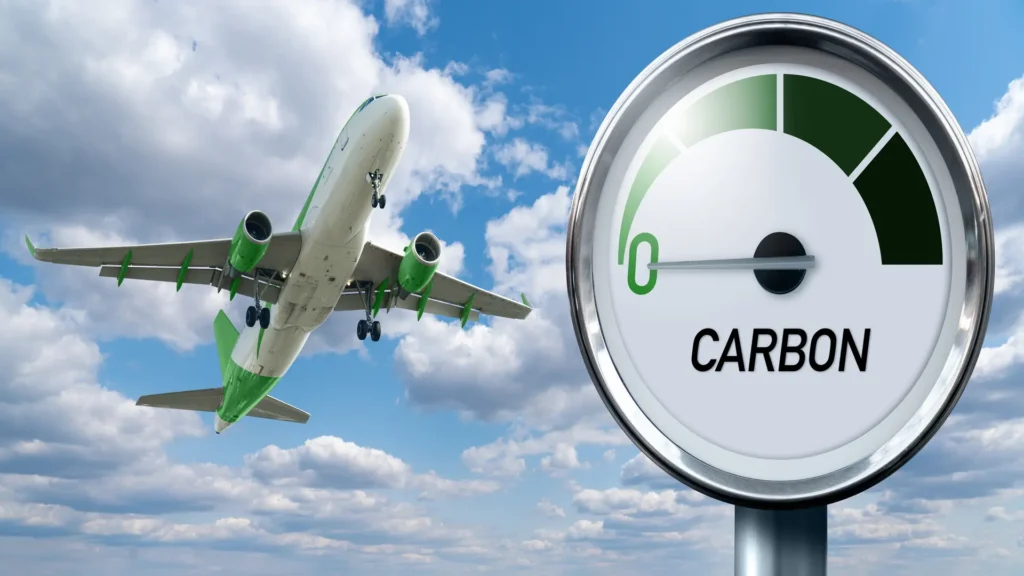
Promoting progress in decarbonizing the midstream sector for a more sustainable future.
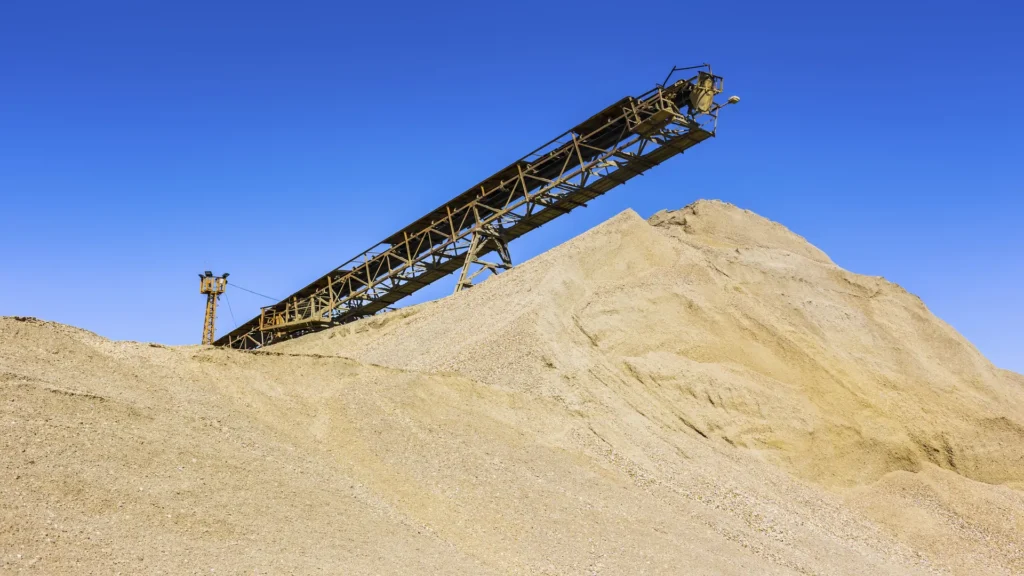
Optimizing reliability in the mining industry through advanced strategies and innovative technologies.
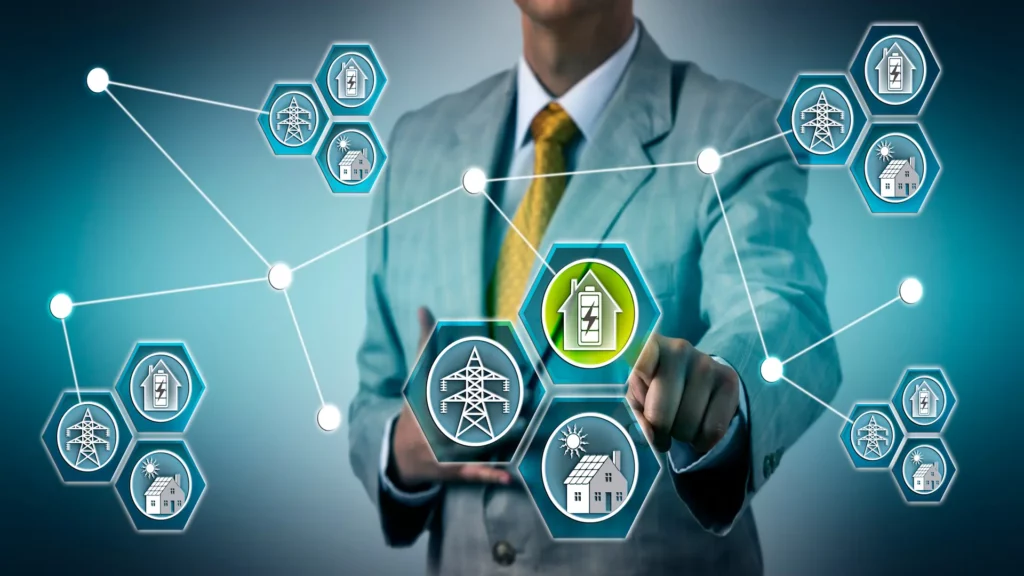
Emphasising the importance of reliability in the energy transition to a sustainable future.
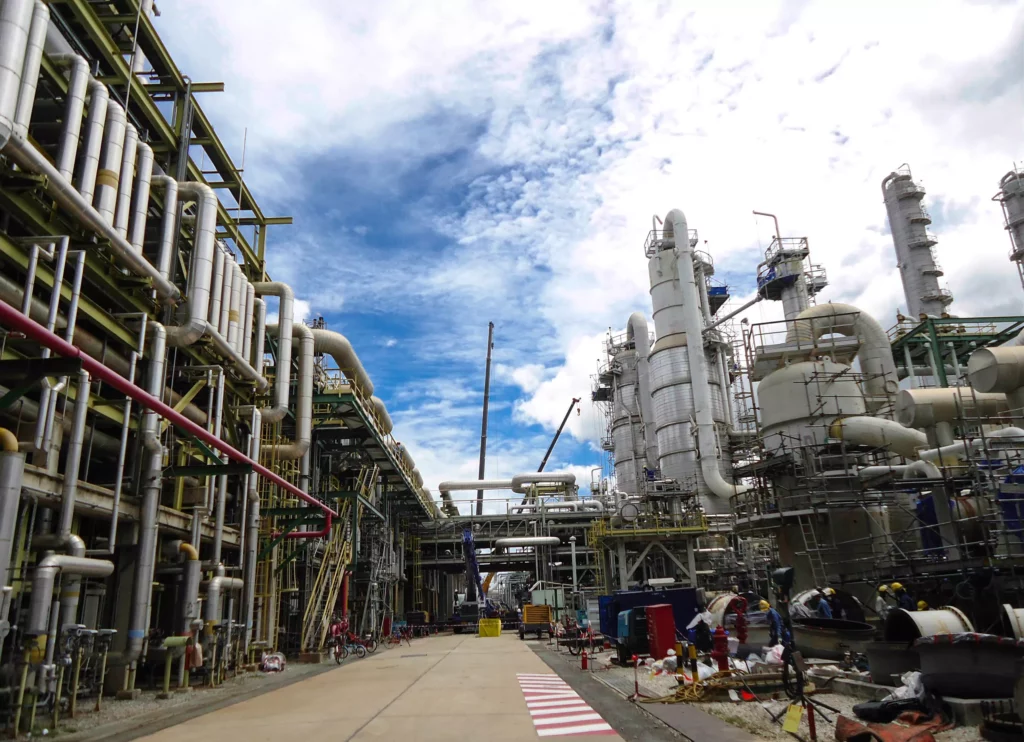
Analysis of the economic impact of plant shutdowns in the oil industry.