

Equinor enters “efficiency mode” and reshapes its operating strategy
Equinor's adjustment reflects a change in cycle: less expansion, more operational discipline, cost control and a focus on the reliability of energy assets.
Equinor's adjustment reflects a change in cycle: less expansion, more operational discipline, cost control and a focus on the reliability of energy assets.
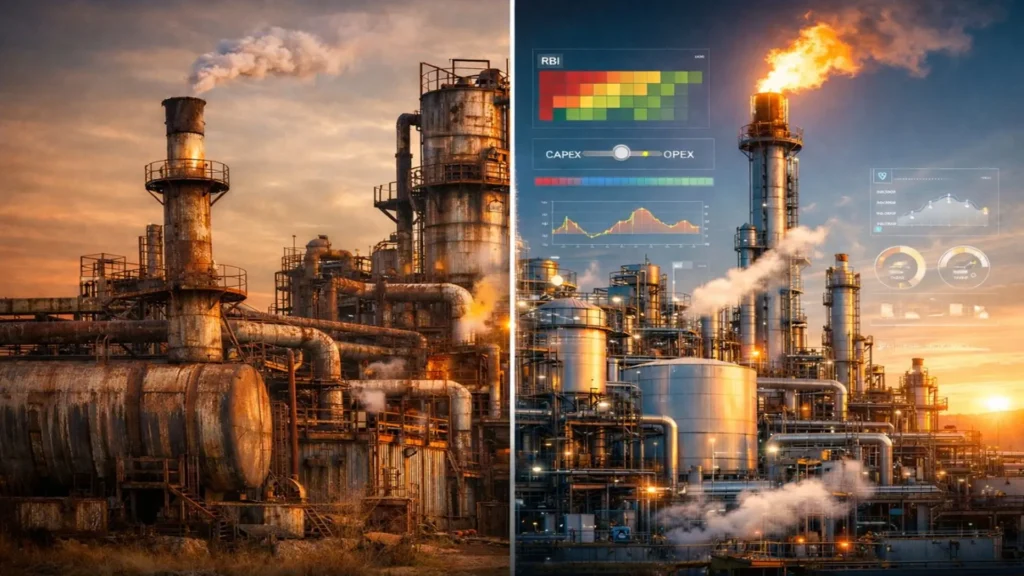
Brownfield restart for aging refineries focused on CAPEX-OPEX decisions, mechanical integrity, digital upgrades, energy transition and operational risk management.
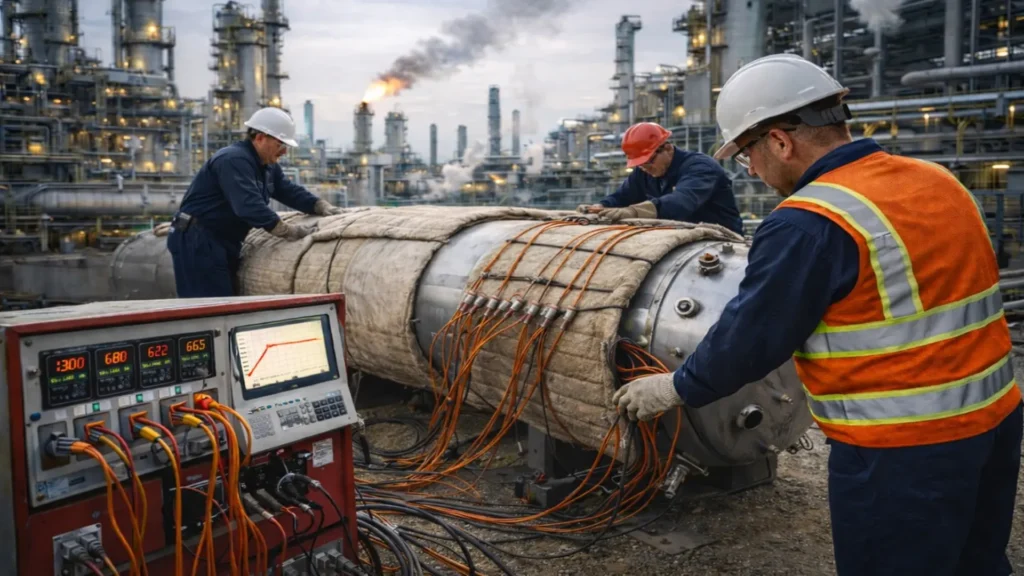
Practical guide to industrial heat treatment for engineers and QA/QC. Selection by material and service, standards integration, and field cases from industry.
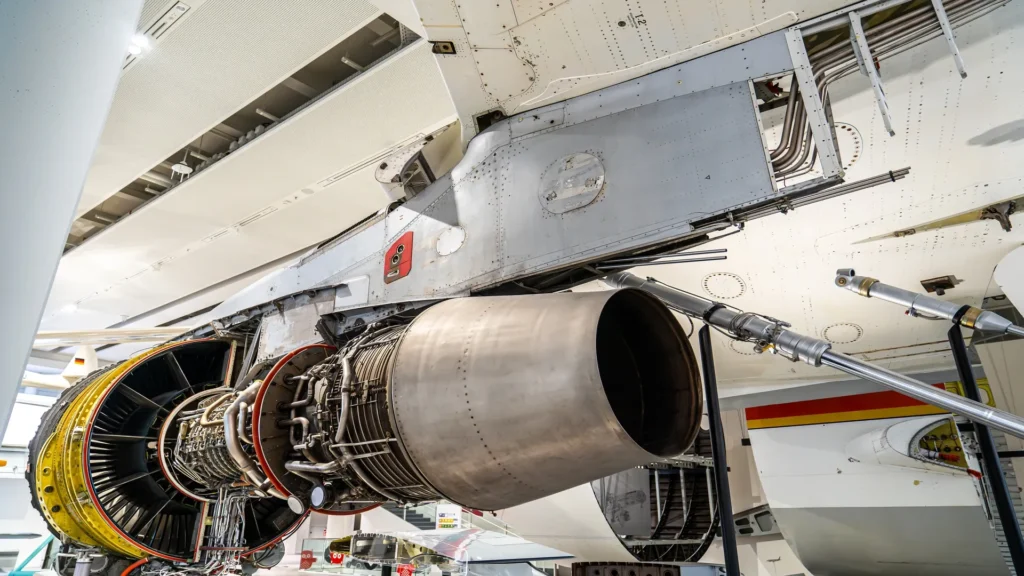
New imaging techniques allow real-time observation of the flame, validating models, improving efficiency, and reducing emissions in jet engines.

European refining margins surged more than 200%, helping offset weaker crude and LNG prices, while upstream volumes added resilience to operating cash flow.

Shell considers withdrawing from al-Omar as Syria reopens its energy sector and US companies evaluate investments in the country's largest oil field.

Unplanned corrosion alters integrity, inspection intervals, and operational risk, requiring early detection and degradation analysis.

Underwater hot tapping is a strategic solution for working on pressurized pipes in offshore environments without stopping operations and with high risk control.
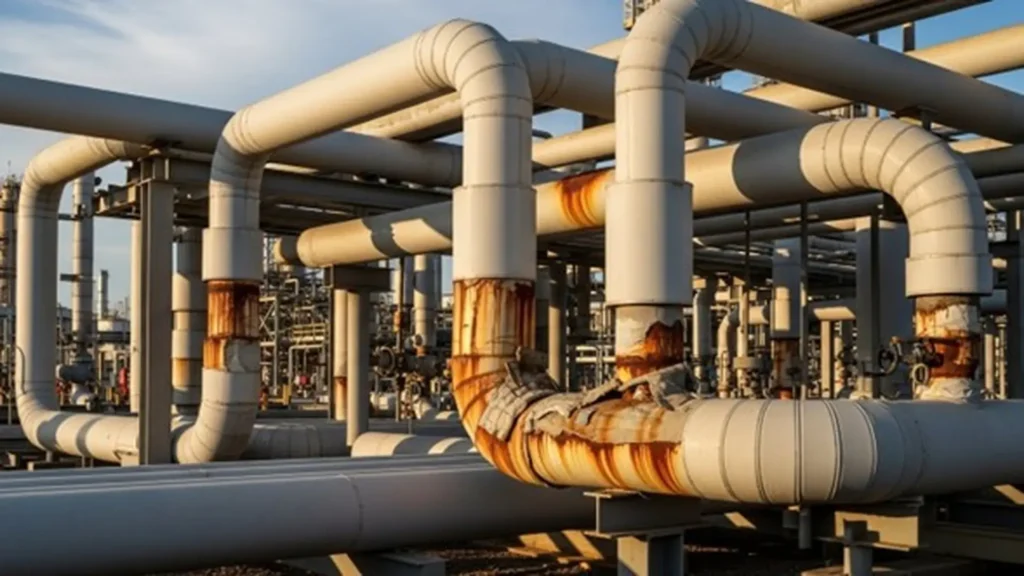
Corrosion under insulation is a critical hidden risk in industrial assets. At Inspenet, we analyze advanced inspection technologies to detect and manage CUI.
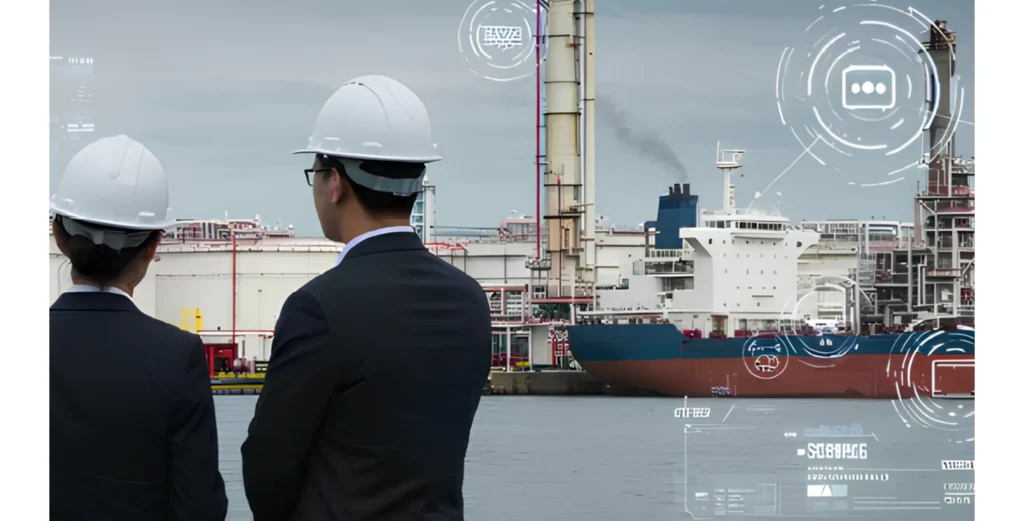
Modern tank farm and terminal management combines advanced technology with human leadership to ensure safe, accurate and reliable decisions.
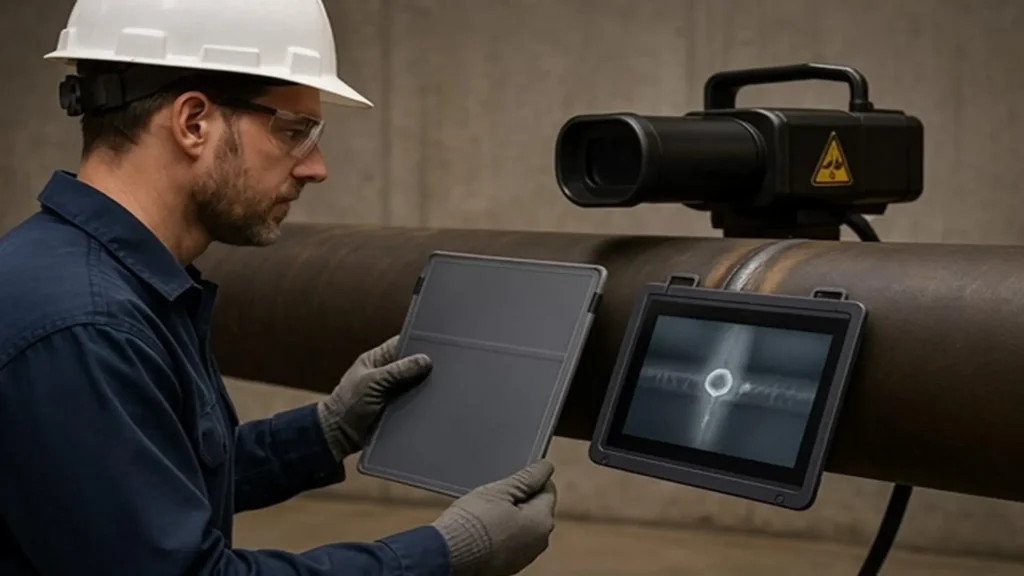
Inspenet presents the evolution of industrial radiography toward intelligent, data-driven inspection, inviting professionals to explore innovation and reliability.

Discover with Inspenet how fuel storage operators drive sustainability through innovation, emission control, and smart digital monitoring systems.