With almost 37 years of hands-on experience in storage tank inspection, Earl J. Crochet P.E., also known as The Tank Whisperer, has learned that no two tanks are alike. He compares them to vehicles, some are built for speed, others for strength, and each one has unique needs. This diversity challenges engineers to tailor inspections and maintenance to the specific history, design and use-case of each tank.
People just think they're these big round things, but there are a lot of subtleties to the tanks.
Earl J. Crochet.
Crochet emphasizes that understanding the tank’s background, its age, product history, construction base, and environment, is key to successful storage tank management. This holistic perspective has been the foundation of his success, and it’s what allows him to quickly identify potential issues that others might overlook.
When asked about how long a tank should last, Earl answers that “there is no fixed lifespan”. He has personally worked on tanks more than 100 years old that are still in service. On the flip side, he has seen tanks fail in just five or six years. So what separates a tank that endures from one that fails early?
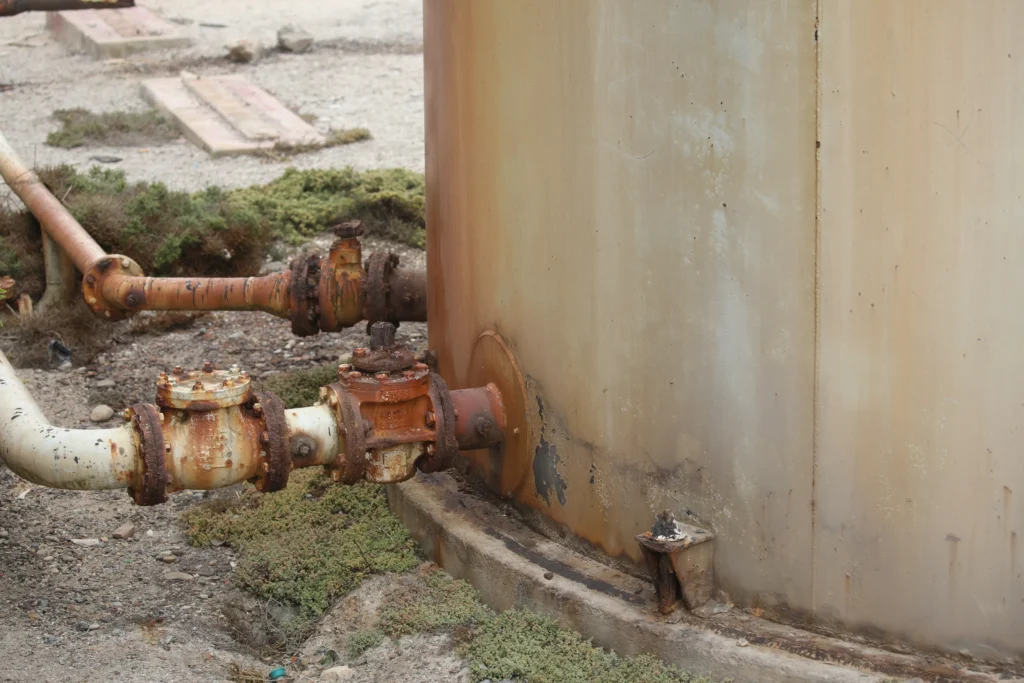
Most atmospheric tanks breathe daily, contracting and expanding with temperature changes. This action pulls moisture into the tank, where it condenses and settles at the bottom, and since steel and water are never a good match, this interaction accelerates internal corrosion.
Crochet points out that while the tank's interior walls and roof are easy to inspect, it’s the unseen floor where real danger hides. Historically, inspectors had to crawl inside with a hammer, tapping the steel to hear for weakness. Now, more sophisticated tools exist, but the challenge remains, water is often underestimated.
Earl’s signature advice for preventing tank bottom failure is simple yet powerful: “Homogeneous, high and dry.”
He recalls tanks built using this approach that have kept their original floor plates for over 50 years, showing virtually no signs of tank corrosion. It’s proof that smart engineering decisions at the start can prevent costly failures decades later.
When Earl started his career in 1988, tank inspection was rudimentary. Over the years, he’s witnessed and contributed to a revolution in inspection of storage tanks and today, the field is filled with tools and technologies that were unthinkable decades ago.
The ability to assess tank integrity without taking it out of service is a game-changer. New diagnostic tools and imaging systems are enabling more frequent, safer, and cost-effective inspections.
Taking a tank out of service for inspection is expensive and disruptive, that’s why in-service inspection has become a game-changer. New technologies allow operators to detect wall thinning, corrosion, or structural anomalies while the tank is full, saving time, money, and minimizing risk. That's because, Earl collaborates with startups developing systems that analyze tank condition without downtime.
Crochet lists several tools that are now indispensable in tank inspection:
These technologies aren’t luxury tools, they are now the standard for modern storage tank management.
Despite these advancements, Earl points out two persistent challenges:
This combination of older assets and fewer qualified inspectors makes tank inspection more critical, and more complex, than ever before.
Yet, the industry has immense opportunity, and Earl points to the role of standards like API 653, which offers structured guidelines for tank inspection, repair, alteration, and reconstruction. When combined with modern technologies and training programs, the sector is well-positioned to evolve and thrive.
Crochet has a passion for mentoring the next generation. Here are his three essential lessons:
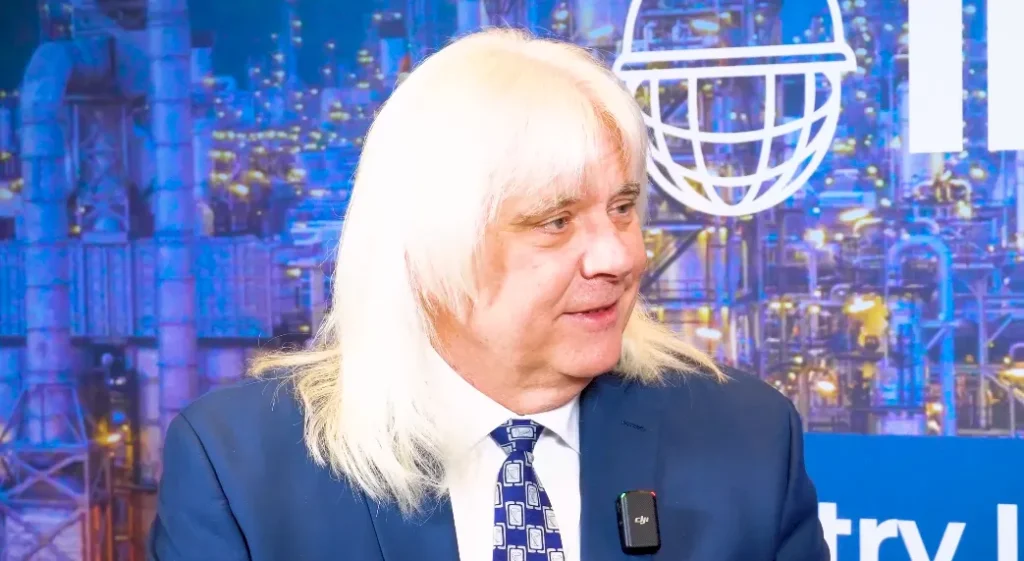
For Earl J. Crochet, tanks aren’t just steel containers, they’re a calling. From his first assignment in 1988 to his leadership roles in API committees, he’s made it his life’s work to improve the safety and reliability of tank systems.
As technologies advance and the energy industry evolves, Earl sees a bright future, if we’re willing to learn from the past and embrace the new, because in the world of tank inspection, wisdom is just as important as tools.
For more NISTM 2025 content, visit our YouTube channel and LinkedIn profile.
Source: Inspenet.

