During his participation in NISTM 2025, Phil Myers, director of PEMY Consulting, accurately addressed the challenges faced by industrial facilities when making maintenance and inspection decisions. With previous experience at Chevron and more than a decade leading his consulting firm, he highlighted how rigorous technical analysis and advance planning can make an operational difference.
Unlike other technical consulting firms, PEMY Consulting works as if it were part of the owner's team. This approach allows it to tackle projects from a real operational perspective, covering both regulatory compliance and the costs associated with the equipment's life cycle.
The firm has a team of engineers specializing in tanks, pipelines, and pressure vessels, and maintains strategic alliances with companies such as Ranger Inspection, allowing them to integrate inspection, data interpretation, and corrective action recommendations under a single technical criterion.
One of the most decisive aspects highlighted by Myers is the use of decision analysis tools, such as decision trees, to determine the appropriate frequency of inspection and maintenance. Far from being an exact formula, it is a balance between safety, cost, and operational continuity.
To support these decisions, the team applies technical standards such as API 579 (Fitness for Service), which require specialized expertise in both interpretation and implementation. According to Myers, the most common problem is that facility owners tend to postpone critical maintenance, which can lead to major failures or unplanned shutdowns.
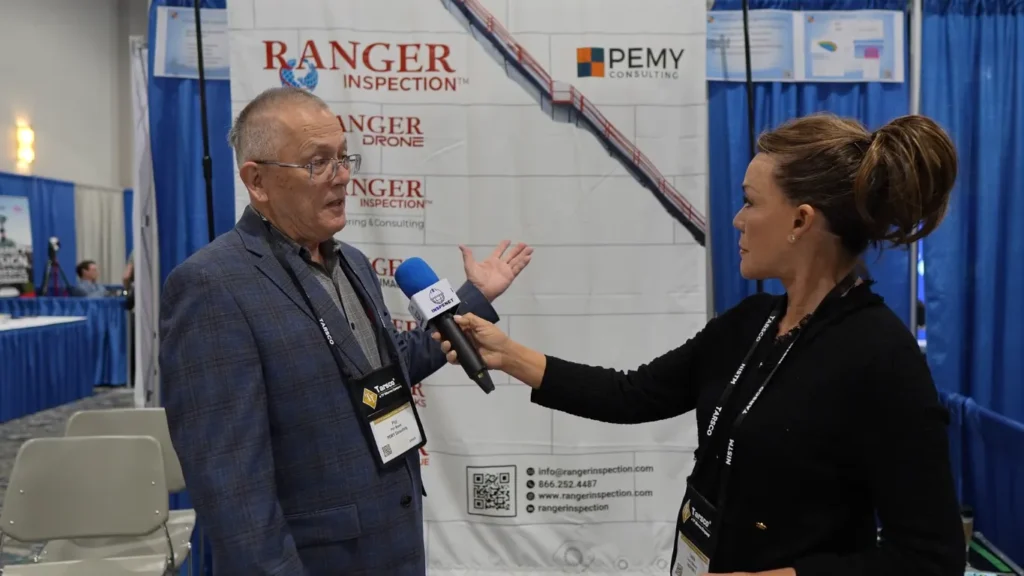
Comparing it to car maintenance, Myers explains that many companies hesitate between intervening too often, which generates unnecessary costs, or letting too much time pass and risking failures. At this point, the consulting firm applies risk models and accessible mathematical tools, but these must be used correctly to be useful.
"The tools exist, but you have to know how to apply them with technical judgment," explains Myers, emphasizing that the key is to focus efforts where risks actually exist, not to apply resources indiscriminately.
Another aspect that is often overlooked, according to the director of PEMY Consulting, is the thorough review of internal procedures. This applies to both design stages and maintenance operations. The concept of "front-end engineering" is just as relevant in operational management: the better you plan from the outset, the fewer errors and costs will arise later on.
Likewise, PEMY's commitment to continuous improvement is reflected in the active participation of 75% of its team in API and ASME technical committees, contributing to the development of standards that govern the industry.
For more content on NISTM 2025, visit our LinkedIn profile.
Source: Inspenet.