
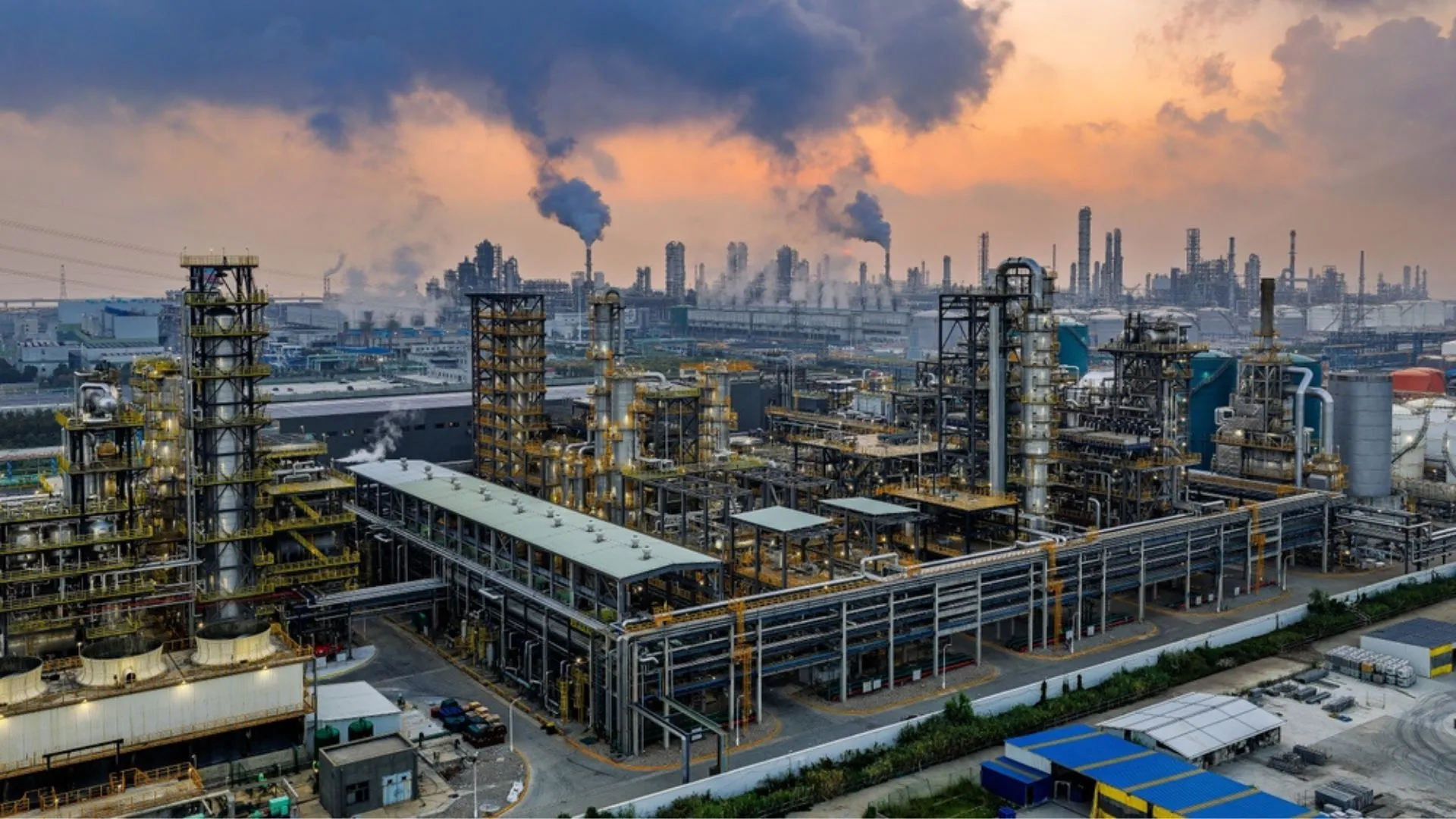
Venezuela, known for harboring one of the largest crude oil reserves on the planet, could be on the verge of a profound transformation in its energy industry. The United States is preparing to authorize a new general license that will allow companies with U.S. ties to operate directly in the extraction of Venezuelan oil. Venezuelan oil. This measure marks a decisive turn in the sanctioning strategy that has limited foreign participation in the sector for years.
A new phase for Venezuelan oil production
The Treasury Department could issue the license as early as this week. Unlike previous licenses, which only allowed limited trading operations, this new license will be issued this week. new license will enable upstream activitiesThe new license will enable upstream activities, allowing companies to extract crude oil directly from Venezuelan fields.
This action follows the recent capture of former President Nicolás Maduro by U.S. forces, which has set the political and economic stage for an accelerated restructuring of the sector.
U.S.-connected companies to lead the recovery
Companies such as Chevron, Vitol and Trafigura, which had already obtained individual authorizations in the past, could benefit directly from this opening. These companies have experience in the management of heavy crude oil, such as Venezuelan crude, and will be obliged to to deposit payments into U.S.-supervised accounts in Qatar. as part of the financial mechanism agreed upon to ensure transparency and control.
During the last few years, China consolidated its position as the main buyer of Venezuelan crude oil due to the discounts applied after the sanctions. However, with the partial lifting of these restrictions, U.S. refineries are expected to recover their role as a priority destination. This could change the price and demand balance in the global heavy oil market. heavy oil.
Financial control and stabilization objectives
The new scheme also contemplates that the funds obtained from exports will be channeled to the Venezuelan Central Bank, which will auction foreign currency to local operators. This strategy seeks not only to stimulate production but also to inject liquidity into the domestic financial system, stabilizing part of the Venezuelan economy in transition.
With this license, Washington not only aims to secure alternative sources of crude oil but also to regain influence in an energetically strategic region. The reopening of Venezuelan oil could redefine alliances, export routes and prices in the global market, while traditional players such as Iran and Russia closely observe the movements of this key piece in the geopolitical chessboard of crude oil.
Source: World Oil
Photo: Shutterstock