
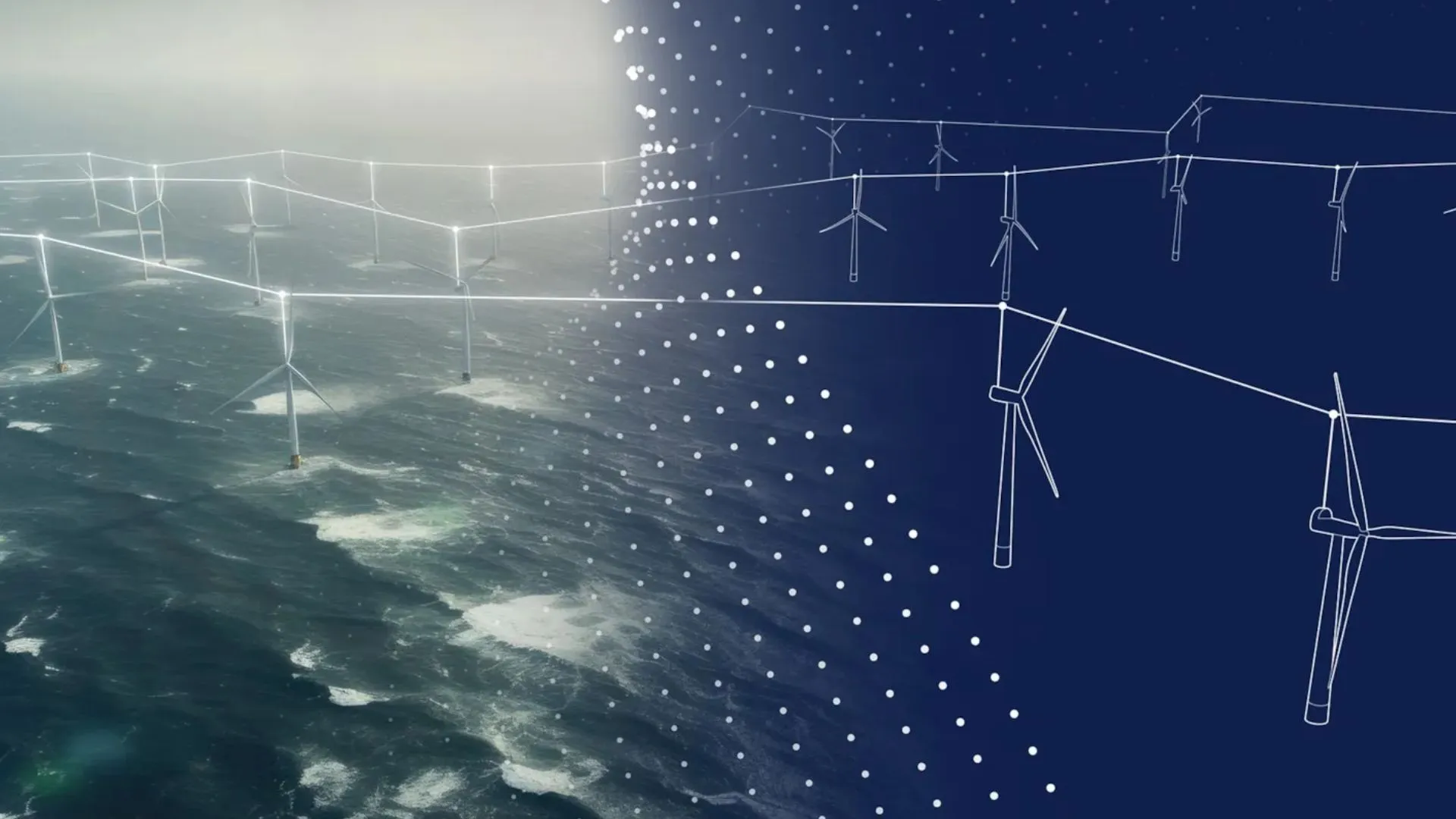
DNV has incorporated into its Sesam software three innovative time domain methods to optimize the structural analysis of floating offshore wind turbines. These new functions allow engineers to more accurately and efficiently simulate how these platforms respond to offshore conditions, significantly reducing calculation time.
Three methods integrated into Sesam software
The behavior of offshore structures subjected to the combined action of wind and waves requires complex simulations. Traditionally, these studies consume high computational resources, which slows down design cycles. With the upgrades in Sesam, it is now possible to predict dynamic responses in less time, while preserving the quality of the results.
Sesam now offers three options depending on the level of detail and need of the project:
- Direct load generation: calculates hydrodynamic pressure and performs dynamic or quasi-static analysis.
- Load reconstruction: uses pre-calculated transfer functions to reconstruct pressures and perform the simulation.
- Response reconstruction: allows direct derivation of the structural response without the need to calculate explicit loads or use conventional finite element analysis.
Aligned with the global expansion of floating wind power
According to DNV projections, installed floating wind capacity is expected to reach 331 GW by 2060. This growth implies technical challenges that require advanced tools such as the ones now integrated by Sesam, designed to optimize every stage of the life cycle of offshore assets.
Kenneth Vareide, CEO of DNV Digital Solutions, noted that these solutions will mitigate risks and facilitate decision making in increasingly complex projects. Sille Grjotheim, director of the global floating wind energy segment, noted that users can now select the most appropriate approach for their analysis, saving time, costs and regulatory compliance.
Source and photo: DNV