
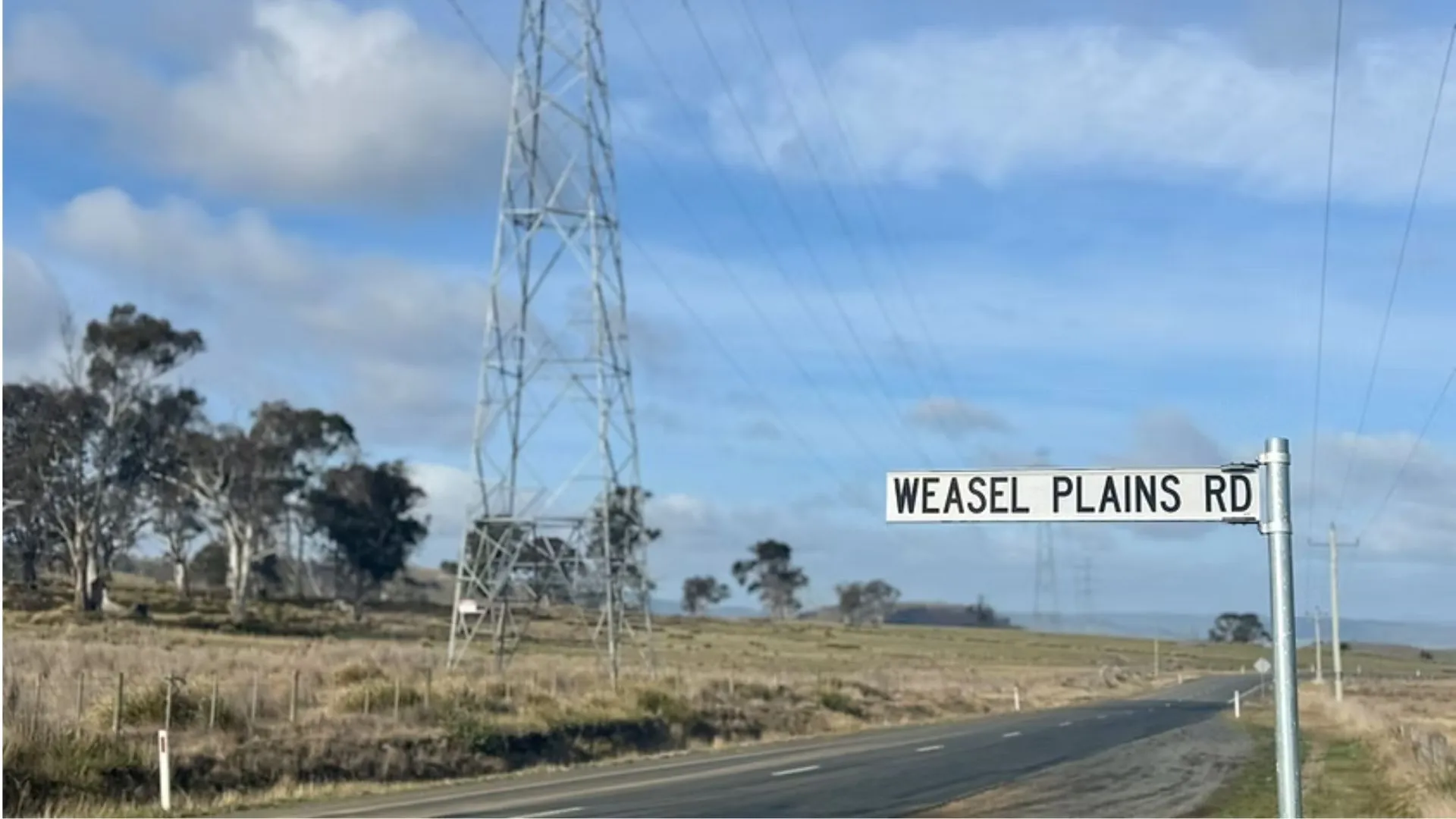
In the Central Highlands of Tasmania, a new photovoltaic project is about to take a big step toward the state’s energy transition. It is Weasel Solar Farm, a 250-megawatt solar farm being developed by family landowners in conjunction with an experienced clean energy developer.
The initiative is led by the Downie family of Dungrove and the Bowden family of Weasel Plains in partnership with Andrew Clark of Alternate Path. The project has just received formal approval from Central Highlands Council under planning permission DA 2025/14. This authorization paves the way for the start of construction work, expected in the coming months.
Energy and agriculture, together in an agro-political model
The Weasel Solar Farm will combine large-scale solar generation with livestock activities under the panels, integrating sheep grazing into the farm’s design. This agricultural strategy allows the land to be used without displacing its original productive use, reinforcing the local acceptance of the project.
The site has been selected for its proximity to the existing electrical infrastructure. The plant will be connected directly to a 220 kV transmission line, avoiding the need for new linear works affecting the landscape. This aspect was key to regulatory approval and the minimization of visual and environmental impact.
Positive impact of the solar farm on local industry
It is estimated that the construction of the park will generate around 300 direct jobs, while 8 permanent positions will be active for its operation. In addition, the project will supply renewable energy to more than 30,000 Tasmanian households, reducing more than 44,000 tons of CO₂ equivalents annually.
With a projected annual production of 262,800 MWh, Weasel Solar will make a significant contribution to the state’s goal of achieving zero net emissions. The project also includes the installation of a battery system for energy storage, improving the stability of the power grid.
Development with local roots and sustainable approach
The park’s promoters highlight the project’s territorial approach, designed from the community base to adapt to local environmental and cultural conditions. Previous experience in renewable developments, such as the Cattle Hill wind farm, supports the technical and social execution of the project.
The collaborative model between rural landowners and energy developers sets a precedent for future initiatives in agricultural areas. Weasel Solar Farm will not only bring clean energy, but also a new source of economic dynamism to Bothwell and the surrounding area.
Source and photo: Weasel Solar Farm