
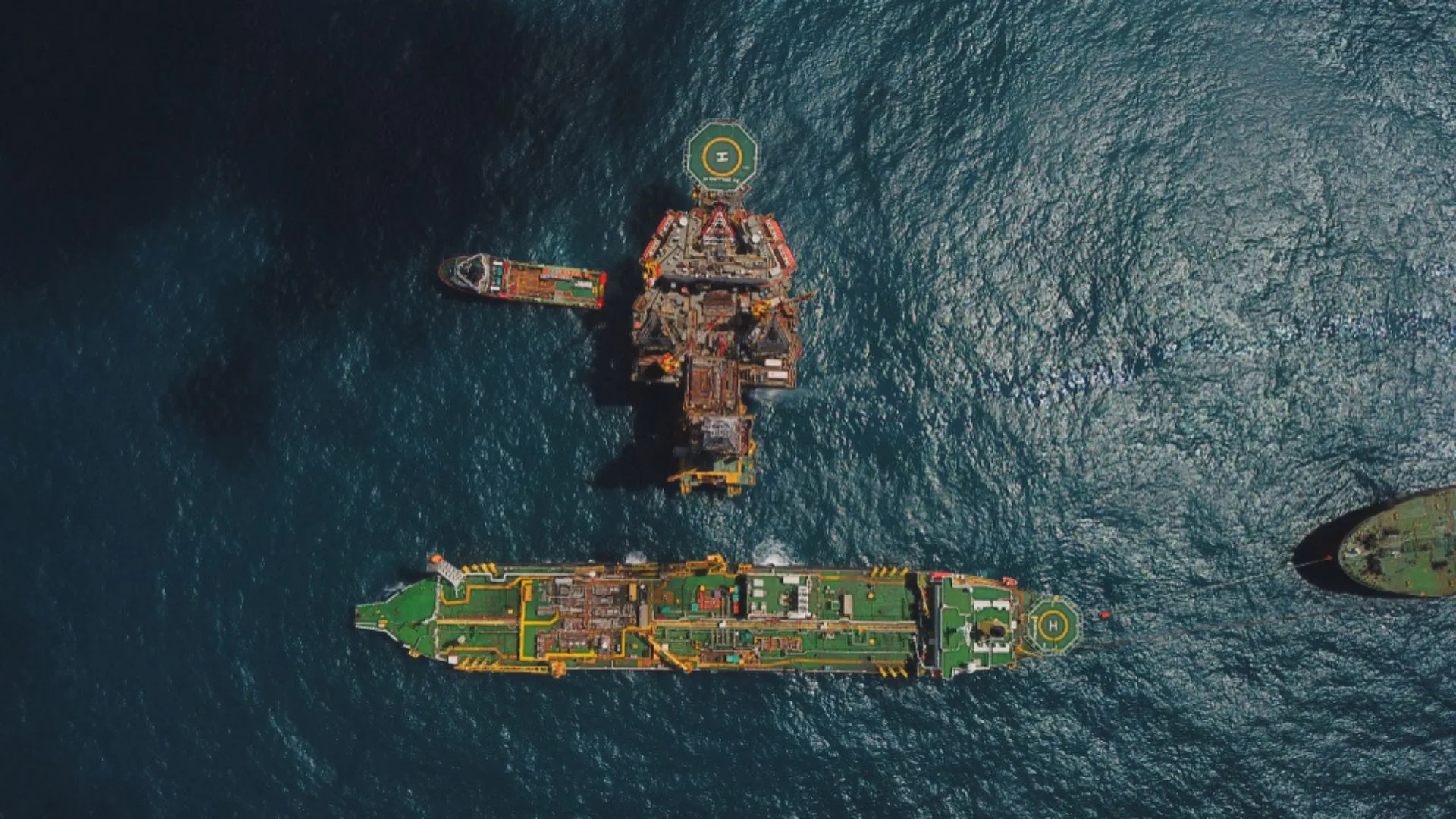
Eni has taken a decisive step in its energy strategy in Asia by approving two Final Investment Decisions (FIDs) for major offshore gas developments in Indonesia. The Italian company is moving forward with the North Hub and South Hub projects off the coast of East Kalimantan.
Boosting offshore gas in Indonesia with new hubs
Specifically, the FIDs correspond to the Gendalo and Gandang projects in the South Hub and the Geng North and Gehem fields in the North Hub. These decisions come just 18 months after the approval of the development plans, reflecting a pace of execution unusual for offshore projects of this scale.
Furthermore, the developments are located at depths ranging from 1,000 to 2,000 meters, consolidating Indonesia as a key hub for deepwater gas production in Southeast Asia.
Infrastructure integration and operational efficiency
On the other hand, Eni is committed to an integrated model that combines new facilities with existing infrastructure. Key assets include the Jangkrik floating production unit and the Bontang liquefied natural gas (LNG) plant.
This approach allows for cost reductions and shorter commissioning times. Likewise, the reactivation of an idle liquefaction train in Bontang will expand LNG processing capacity.
Production capacity and project scope
In technical terms, the South Hub involves drilling seven production wells connected to an existing FPSO. Meanwhile, the North Hub includes 16 wells and a new floating unit capable of processing more than 1 billion cubic feet of gas per day.
Together, both projects total nearly 10 Tcf of gas initially in production along with 550 million barrels of condensate. Operations are expected to begin in 2028 and reach peak production in 2029.
Impact on the energy market and LNG
The gas produced will be transported via pipelines to onshore facilities to supply both the domestic market and LNG exports. This supply will contribute to regional and global energy security in the long term.
Additionally, the condensate will be processed and stored offshore for export via tankers, strengthening the project’s value chain.
Growth strategy and alliance with Petronas
Finally, these assets will be part of the future integration between Eni and Petronas. The operation aims to create a new company with an estimated production exceeding 500,000 barrels of oil equivalent per day by 2029.
With a presence in Indonesia since 2001, Eni is consolidating its position in the deep offshore segment and reinforcing its role as a key player in the supply of natural gas in Asia.
Source and photo: Eni