
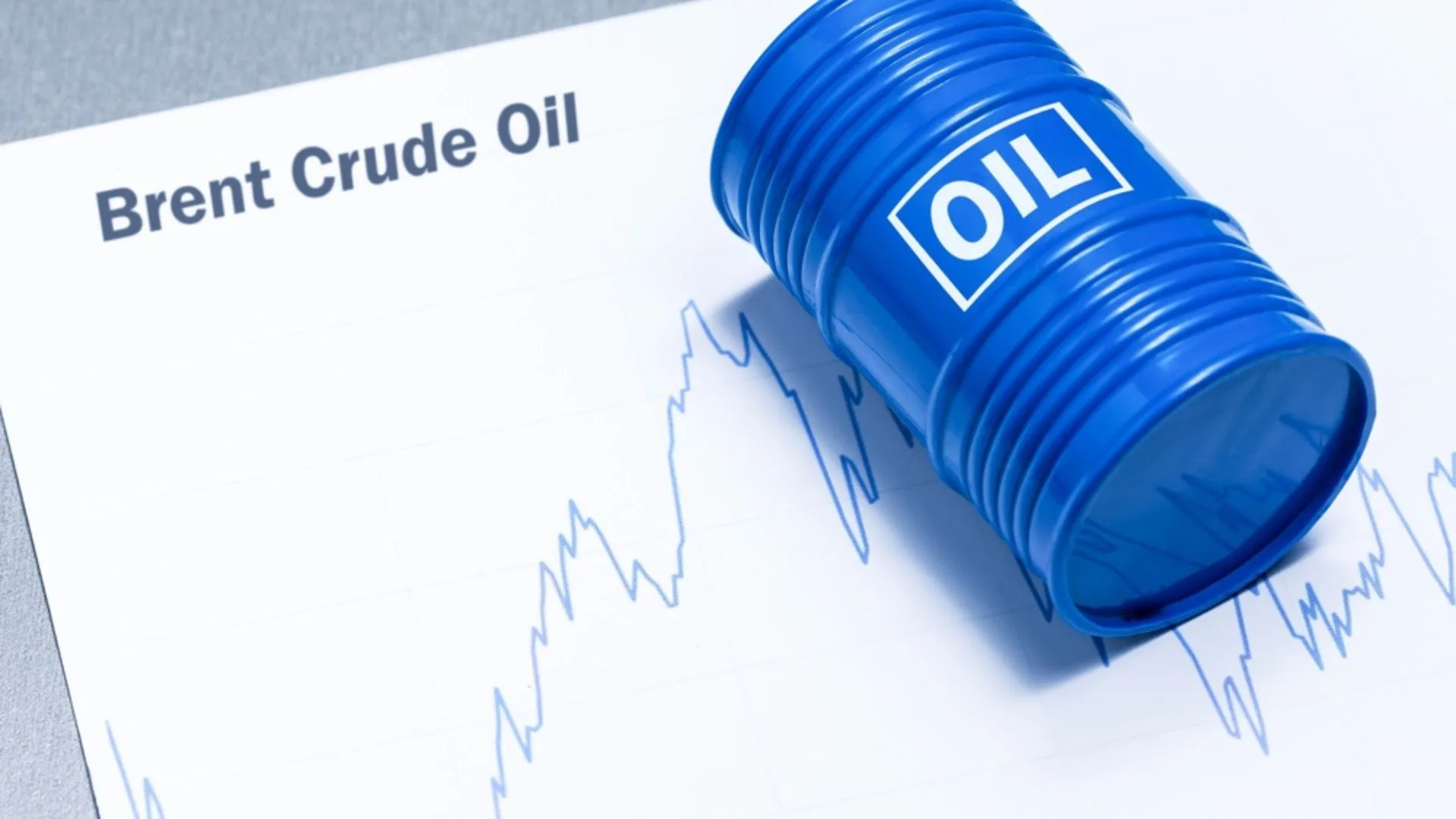
The price of Brent crude could remain above $100 per barrel throughout 2026 if the Strait of Hormuz continues to face restrictions on maritime transit. This is the warning from Goldman Sachs analysts in a scenario that combines geopolitical tension and constraints on global supply.
According to the investment bank, current risks in the energy market continue to point upward, even after the recent temporary ceasefire between the United States and Iran. Although this agreement opened the door to possible stabilization, uncertainty over the full reopening of the strategic passage continues to keep pressure on prices.
A critical point for global supply
The Strait of Hormuz is one of the most important routes for global crude oil transport. A significant share of the oil exported from the Middle East passes through this route, making any restriction a decisive factor for the market.
Iran currently maintains operational control of transit in the area. Likewise, shipping companies and vessel owners are still waiting for security guarantees before resuming normal operations. This situation has resulted in a supervised pause rather than an effective reopening of the maritime passage.
Brent crude price scenarios in the event of a Hormuz blockade
Goldman Sachs outlines different scenarios depending on how long the restrictions last. If the strait remains virtually closed for another month, the bank estimates that Brent could average more than $100 per barrel in the second half of 2026.
On the other hand, a more extreme scenario would involve prolonged disruptions to regional production. In that context, the crude oil price could reach $120 per barrel in the third quarter and stabilize near $115 toward the end of the year.
Immediate reaction in the oil market
The market has already begun to reflect this uncertainty. After doubts about the reopening of the strait, oil prices rose by nearly 3% at the start of the European session, standing at around $97 per barrel.
Likewise, the spread between Brent and WTI has narrowed in recent days, reflecting adjustments in supply and demand expectations. The evolution of this differential will be key to understanding market dynamics in the coming weeks.
Persistent uncertainty in maritime transport
Maritime intelligence firms have noted that coordination with Iranian forces remains necessary for any transit through the area. This condition reinforces the perception of operational risk and limits the normalization of tanker flows.
In this context, the energy market remains highly sensitive to any change in the geopolitical situation. The actual duration of the ceasefire and decisions regarding control of the strait will be decisive factors for the evolution of oil prices in 2026.
Source: Oil Price
Photo: Shutterstock