
Priorities for the 28th Annual AST Conference & Trade Show
This 28th Annual AST Conference (AST 2026) arrives at a moment when the industry is not only discussing compliance, but transforming storage systems as critical infrastructure. Our priorities are clear: structural reliability, emissions reduction, stronger secondary containment, and operational traceability. The regulatory dialogue will focus on harmonizing EPA state expectations, reinforcing API 650/653 practices, and supporting digitalization so compliance becomes continuous rather than periodic. That is the path toward lower risk and safer assets.
Value of courses like Tanks 101 and Liquid Terminals 101
We created these platforms because we observed a gap between technological advancement and available training. Tanks 101, Liquid Terminals 101, and the Aviation Fueling Master Class exist to close that gap, bringing operators, engineers, and regulatory thinking together. They are taught by professionals who have made decisions in the field, not just from a classroom. The goal is to accelerate practical competency, critical thinking, and a preventive culture.
KPIs recommended for demonstrating continuous improvement
The market demands verifiable metrics, and we promote three essential groups:
- Physical tank integrity (corrosion, API 653 repairs, coating performance).
- Environmental performance (reportable leaks, breathing losses, spill events).
- Operational reliability (MTTR, predictive inspection, availability).
When operators trend those KPIs positively, regulators and insurers listen. It becomes evidence, not narrative.
Innovations gaining real traction
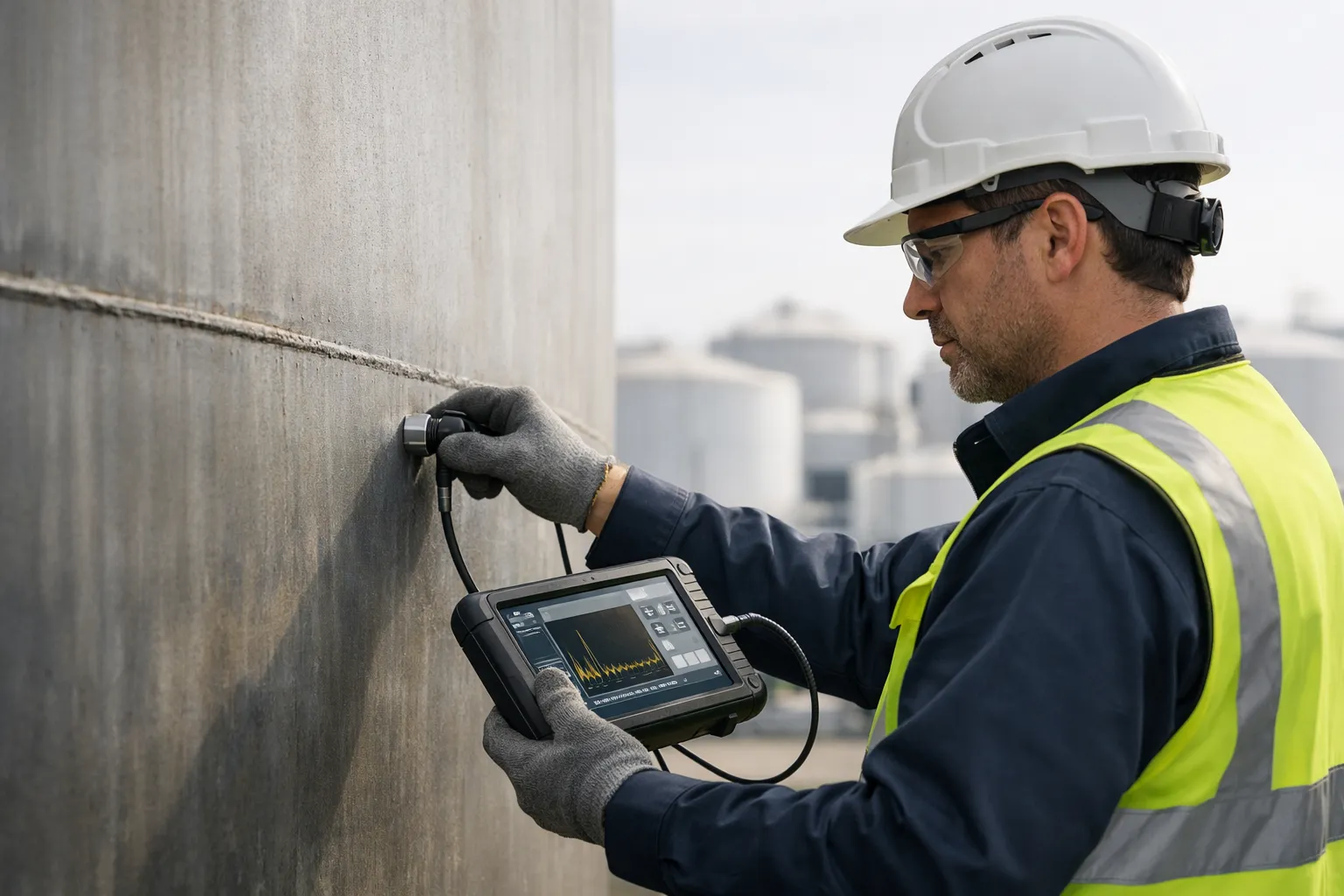
We are seeing tangible progress in embedded sensors, floor monitoring, more efficient dome solutions, and analytics linked to API inspection models. But the real traction comes from predictive frameworks integrated with maintenance windows, where owners intervene ahead of visible failure. It is digitalization with purpose: reducing leaks, preventing unnecessary shutdowns, and turning tanks into intelligence sources rather than just vessels.
New Synergies and Harmonization Across States
There is momentum for best practices to migrate faster between states. We see collaboration with API, ASTM, state agencies, and terminal organizations. Harmonization does not mean rigid uniformity, but portability of standards, especially in inspection, secondary containment, floating roof safety, and emissions control. This benefits everyone, from multistate operators to small facilities seeking clarity.
Platforms to Scale Education and Professional Reach
NISTM strongly believes in live conferences as catalysts for real collaboration, but we recognize the power of specialized media, digital platforms, and academic alliances. The future will be hybrid, live courses amplified by media partners, ongoing technical communities, and certifications that accompany a terminal professional throughout their career.
Message for Exhibitors and Attendees Ahead of The Orlando 2026
My message is simple: this sector is undergoing its most significant change in more than a decade, decarbonization, modernization, data-driven integrity, and social pressure on emissions. The Orlando will not just be an event. It will be where operators, technologists, regulators, and manufacturers define what comes next. Business opportunities, knowledge exchange, and community-building have never been stronger. If you have been considering when to step up your participation, now is that moment.
This article was developed by specialist Jim DeMartini and published as part of the seventh edition of Inspenet Brief February 2026, dedicated to technical content in the energy and industrial sector.