


How the circular economy is changing the energy industry
Companies are adopting circular models to reduce costs, reuse materials, and respond to regulatory demands in global industrial environments.
Companies are adopting circular models to reduce costs, reuse materials, and respond to regulatory demands in global industrial environments.
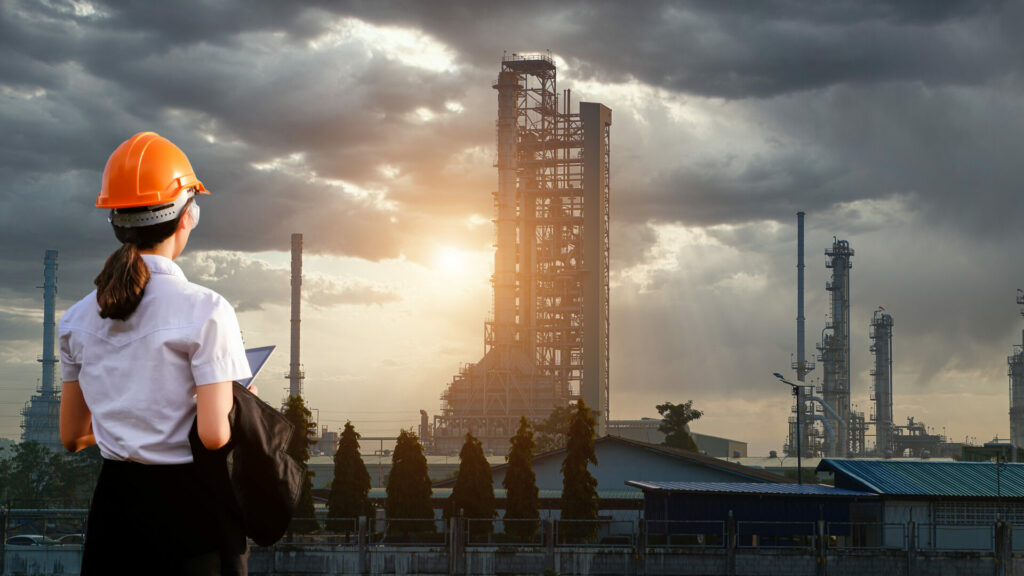
Reducing greenhouse gas emissions is crucial to avoid catastrophic consequences such as sea level rise and biodiversity loss.
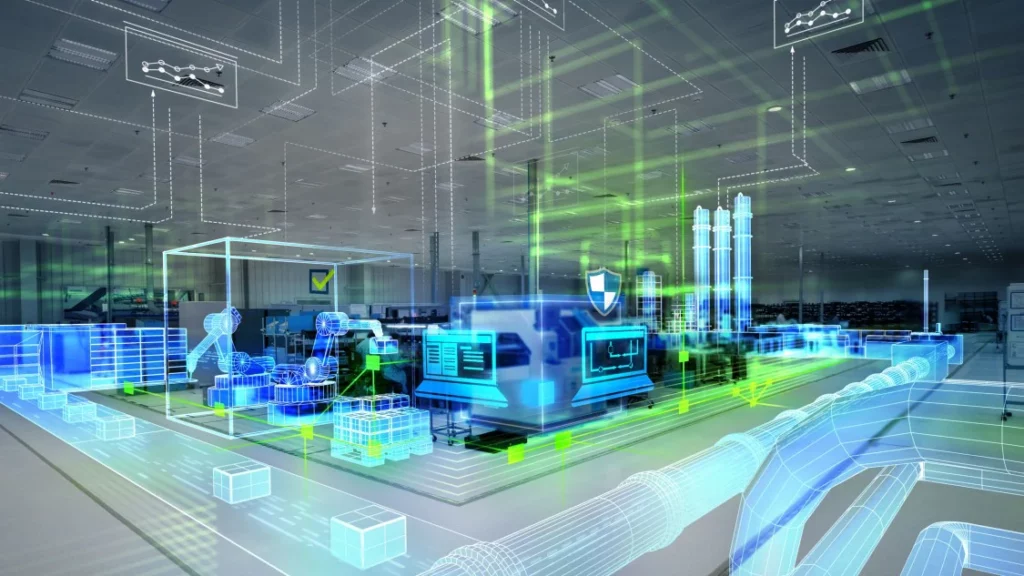
Innovative technological solutions for more sustainable automation in modern industry.
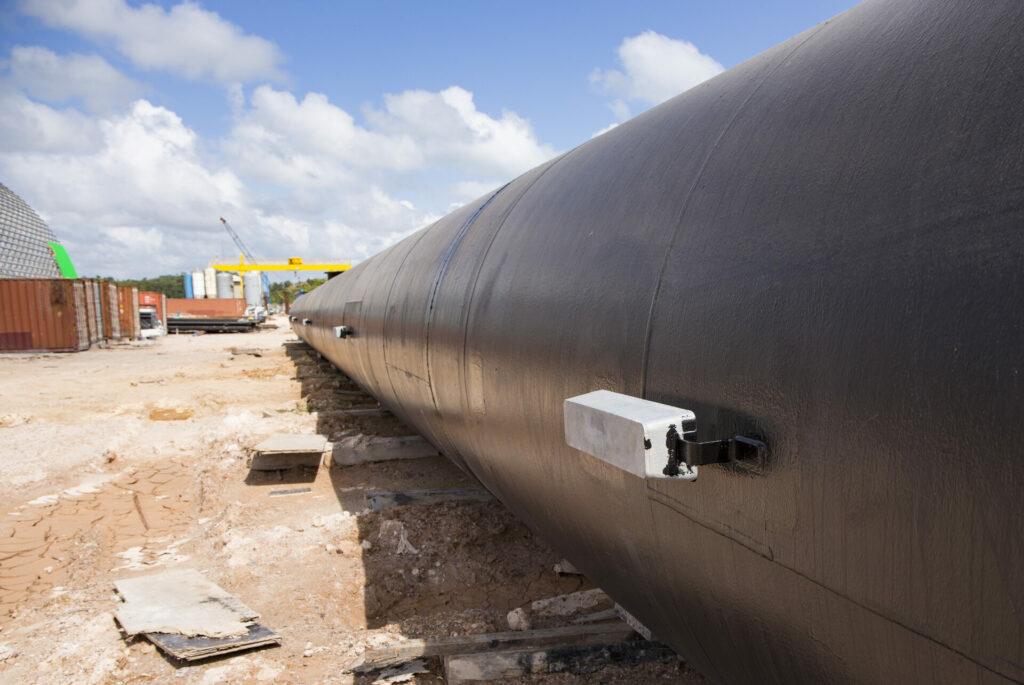
A look at the latest technological advances in corrosion control through cathodic protection.

Organizational leadership impacts corporate culture, fosters collaboration, and enhances team development.
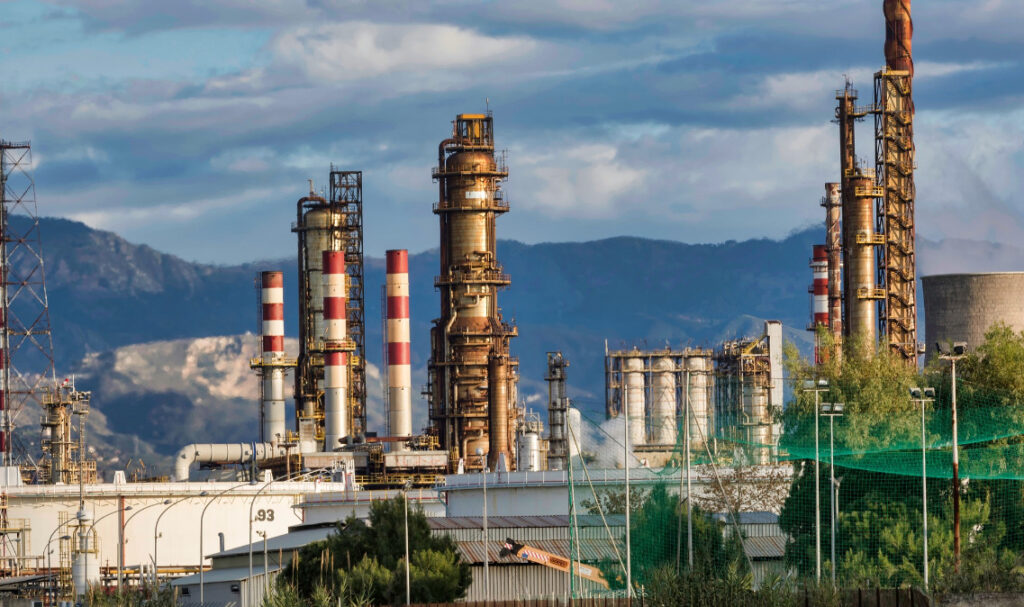
In oil refining units, distillation separates the crude oil into different products according to their individual boiling ranges.
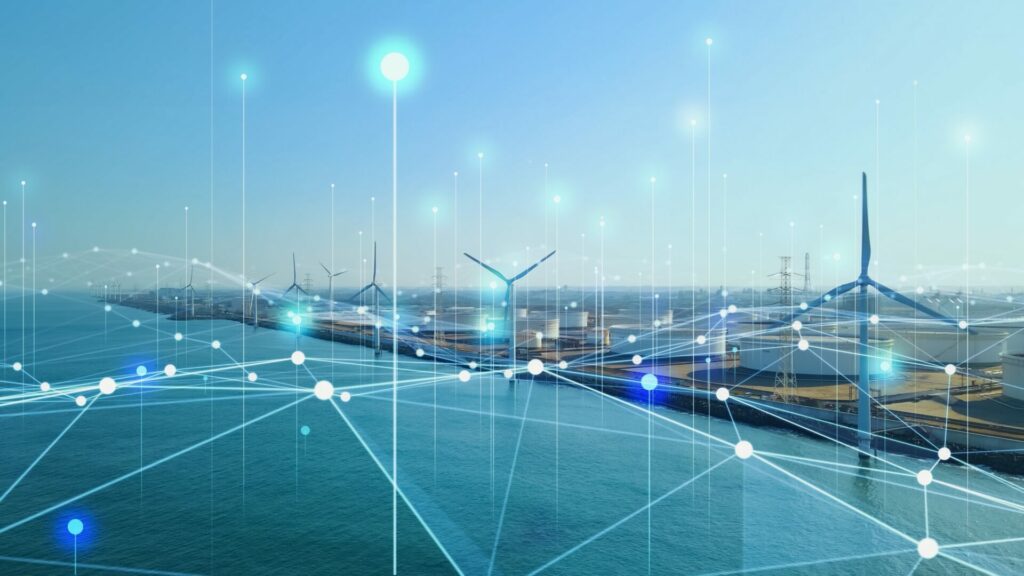
Renewable energy sources represent an energy vector with great potential capable of satisfying the global demand for electricity

Inspection equipment is currently being developed based on new technologies in the detection of faults and corrosion damage. In this context, the company Waygate Technologies, through its commercial representative the Testek Group, world leaders in Non-Destructive Testing (NDT) solutions for industrial inspection, presents the Mentor UT Phased Array Flaw Detector.

Researchers at the University of Massachusetts Institute of Technology (Massachusetts Institute of Technology) have developed a new polymerization process, generating a 2D two-dimensional polymeric material called 2DPA-1, very light and twice as hard as steel.
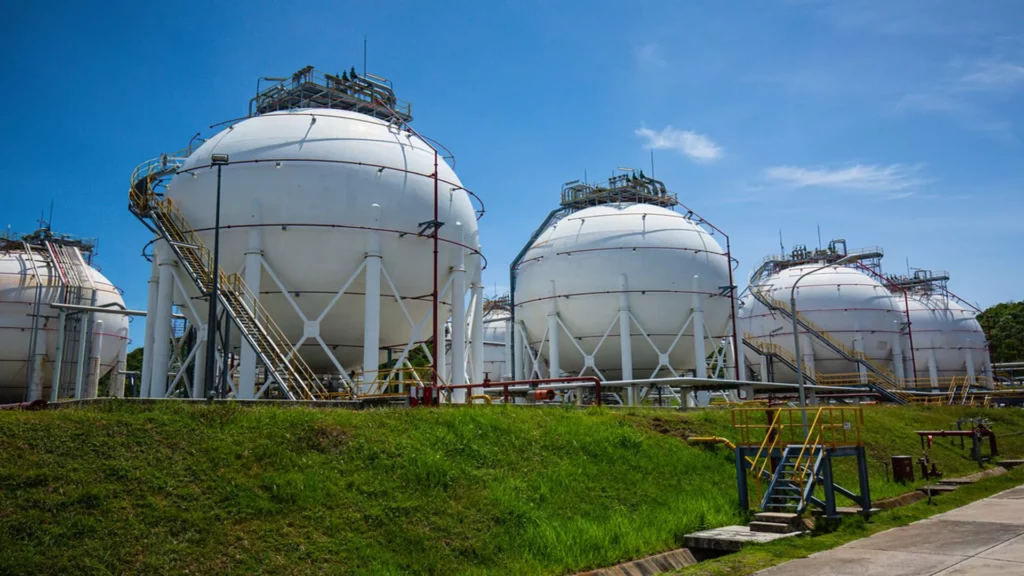
Natural gas is a mixture of gaseous hydrocarbons, extracted from underground, and is one of the most exploited fuels in the world.

Corrosion affects different types of metals that are used in various industrial plants, generating failures, defects and causing leaks. Few methods currently exist to detect these types of failures before they cause damage.

Hydrogen represents the most innovative energy proposal of alternative fuels, with respect to fossils and emitters of polluting gases, greenhouse gases and with great potential as an energy vector. However, it is a difficult fuel to obtain, and its processing from an economic point of view is not economically profitable, entails exorbitant costs because it is not found in isolation in nature.