

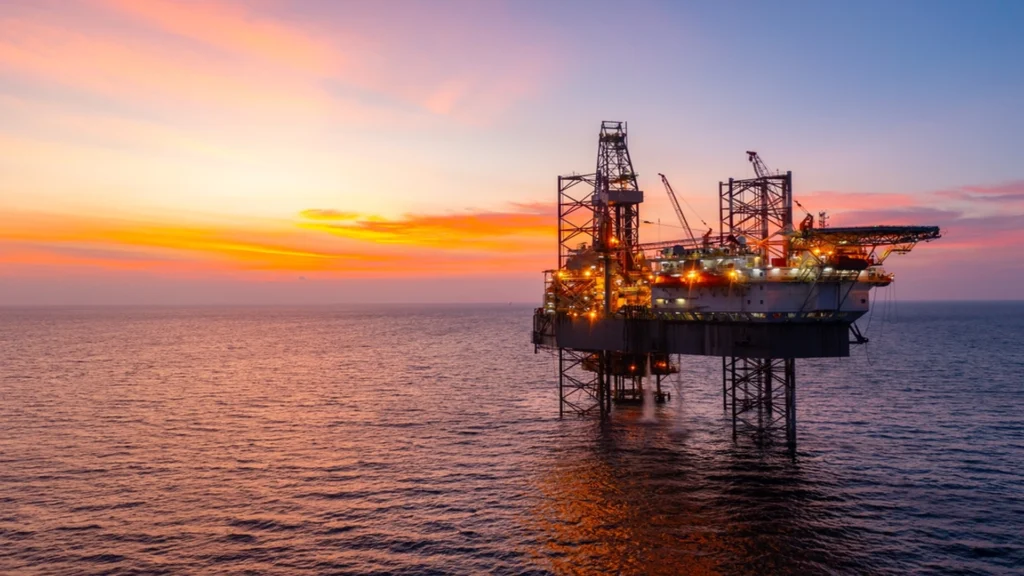
How offshore platforms operate and extract oil
Offshore platforms are structures that, through advanced engineering, enable hydrocarbons to be extracted under certain conditions and sustain the energy supply that fuels the global economy.
Offshore platforms are structures that, through advanced engineering, enable hydrocarbons to be extracted under certain conditions and sustain the energy supply that fuels the global economy.
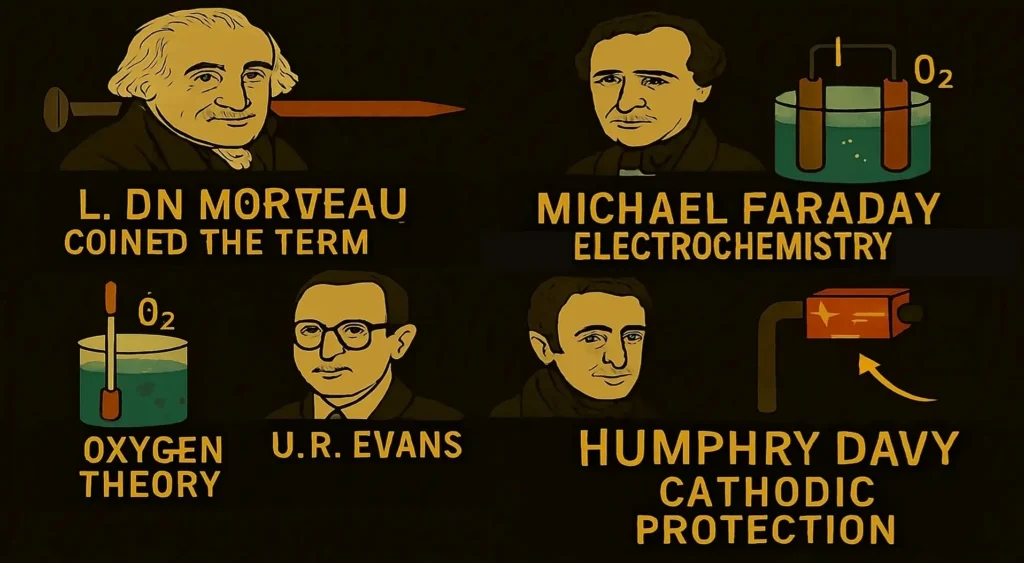
Metal corrosion has been studied since the earliest empirical observations up to modern electrochemical theories.
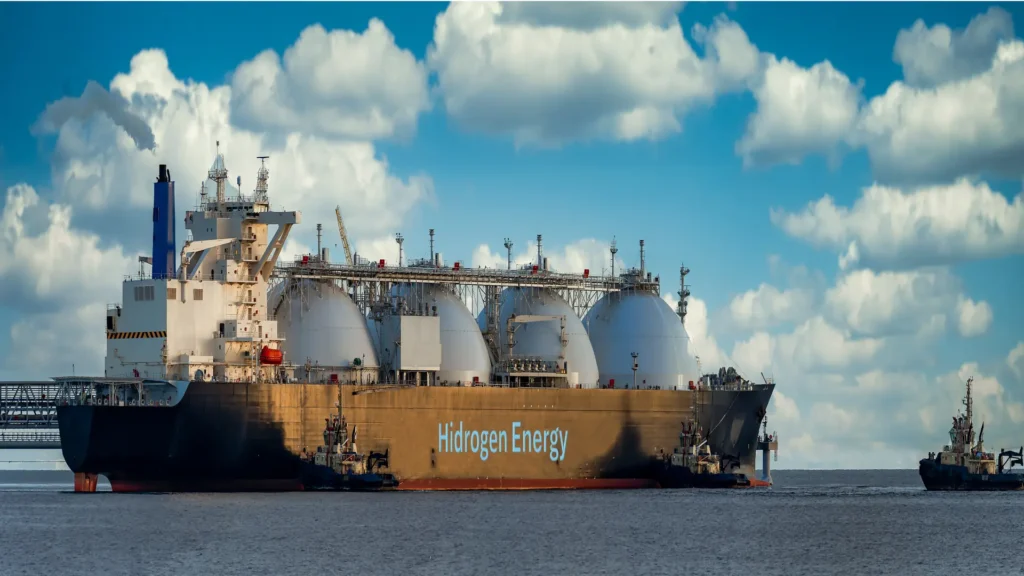
hydrogen shipping as a key factor in the decarbonization of maritime transport and its impact on global sustainability.
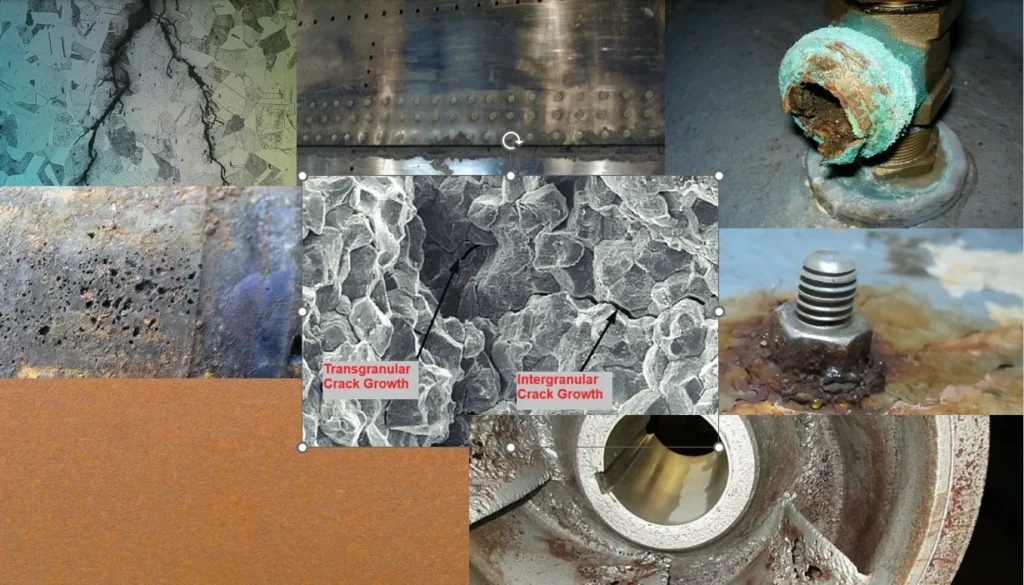
Understanding the types of corrosion is key to industrial asset management, as it helps prevent critical failures, optimize maintenance and reduce operating costs.
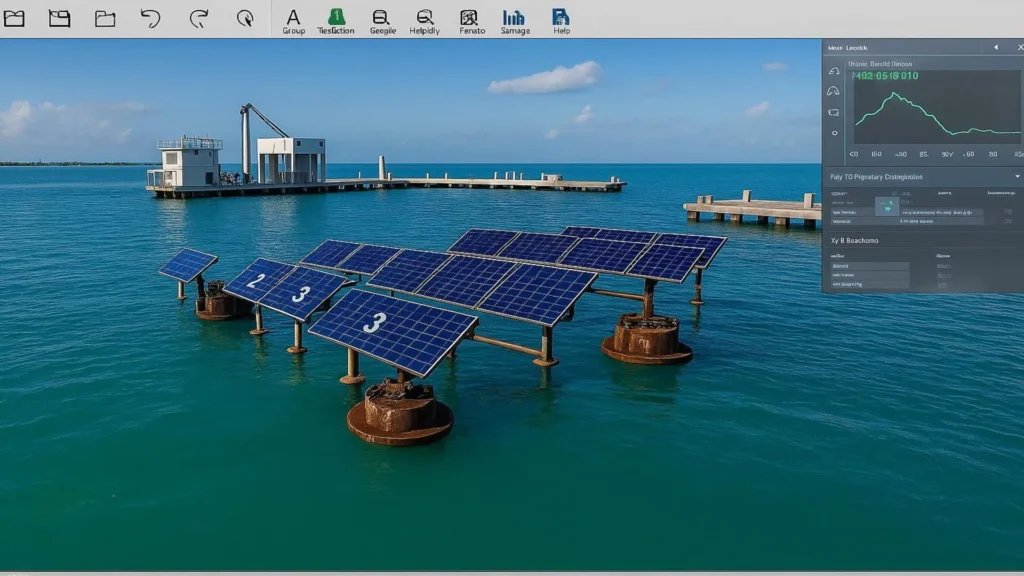
Algorithms and artificial intelligence monitor and predict corrosion in photovoltaic panels, optimizing maintenance and reducing failures.

Corten steel combines alloy elements that form a passive protective layer, ensuring resistance to atmospheric corrosion in exposed applications.

This topic discusses the vulnerability of welded 316 stainless steel joints to Stress Corrosion, analyzing how microstructural heterogeneity, residual stresses, and thermal sensitization affect strength.
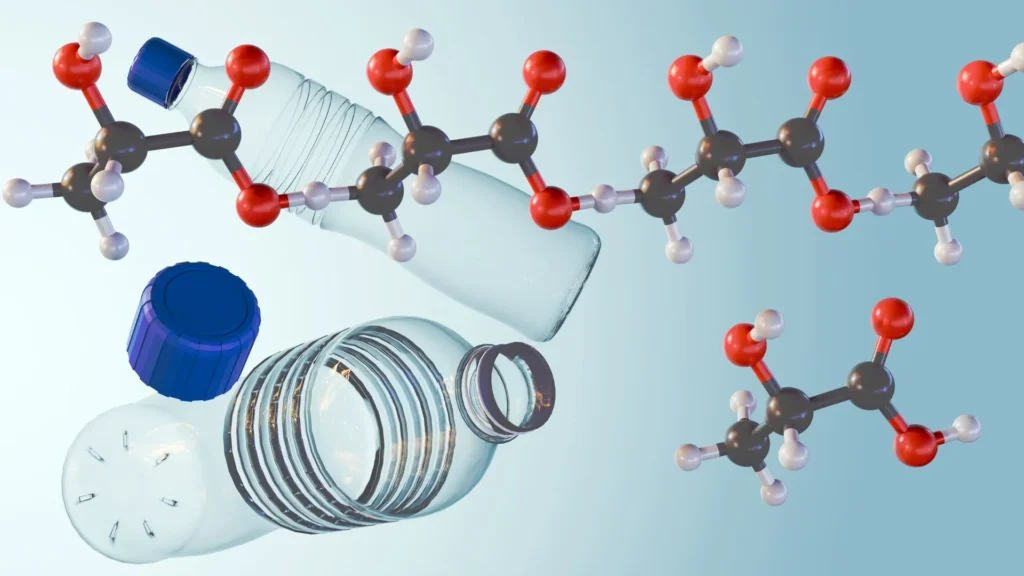
Polylactic acid (PLA) stands out as an environmentally friendly solution to the use of conventional plastics, reducing environmental impact thanks to its renewable origin and biodegradability.
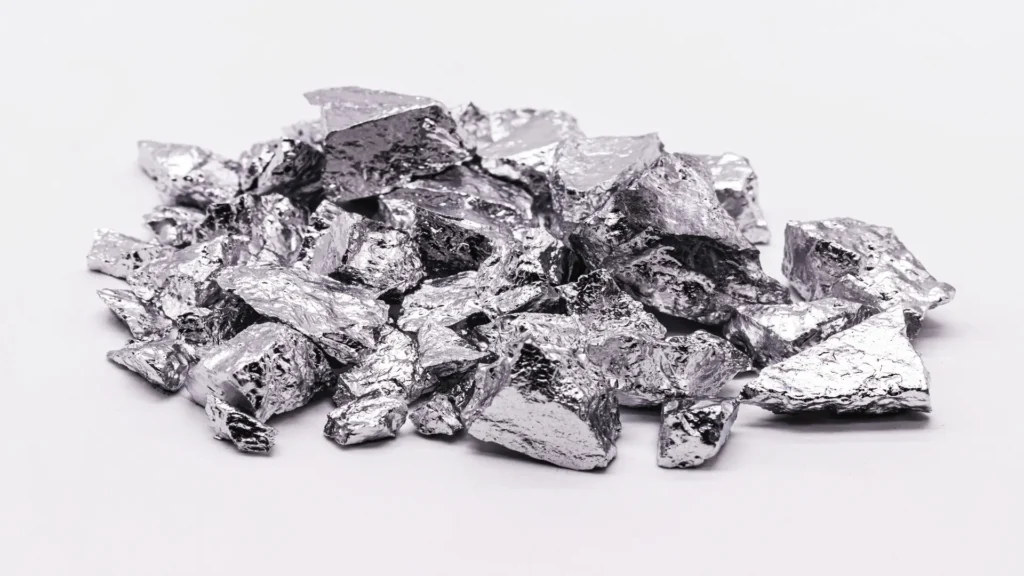
Inclusions affect the corrosion resistance of chromium alloys in industrial applications.

Ethylene glycol is a chemical compound widely used in industry for its antifreeze properties and polyester fibers. Although useful, its toxicity requires safe handling.

Types of chemical reactions enable the design of processes based on their conditions, ensuring efficiency, safety, and viability in chemical engineering.
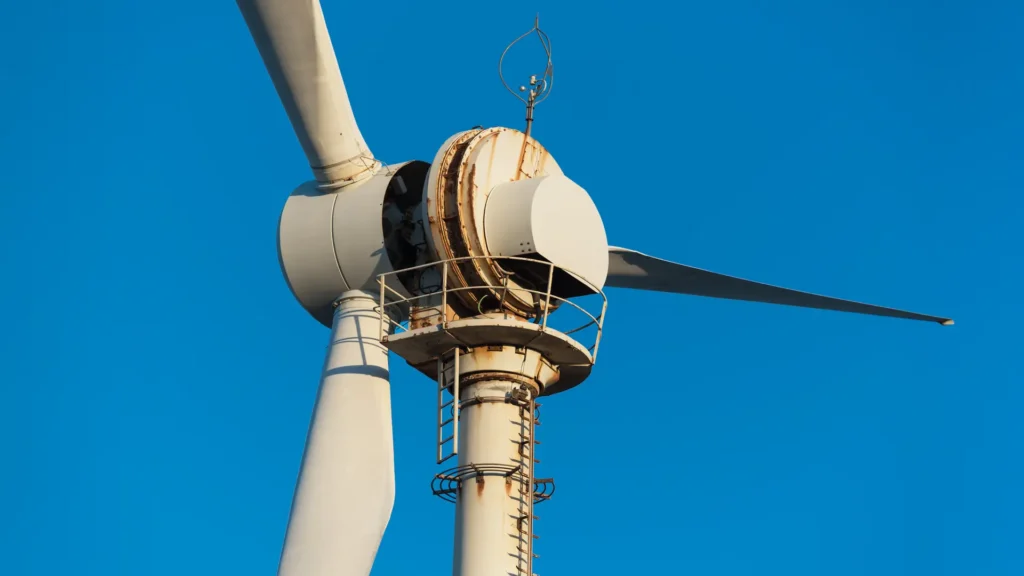
The renewable energy sector is expanding rapidly, driven by the global need to mitigate climate change and reduce dependence on fossil fuels. Technologies such as wind, solar, hydro…