
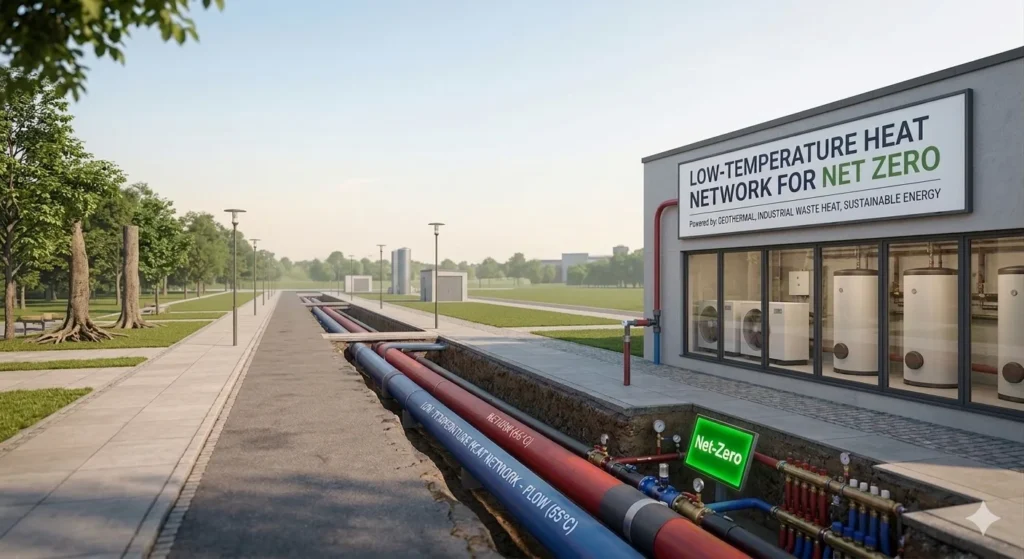
Low-Temperature heat networks for Net Zero
Low-temperature heat networks are key for Net Zero by integrating renewable energy to decarbonize cities.
Low-temperature heat networks are key for Net Zero by integrating renewable energy to decarbonize cities.
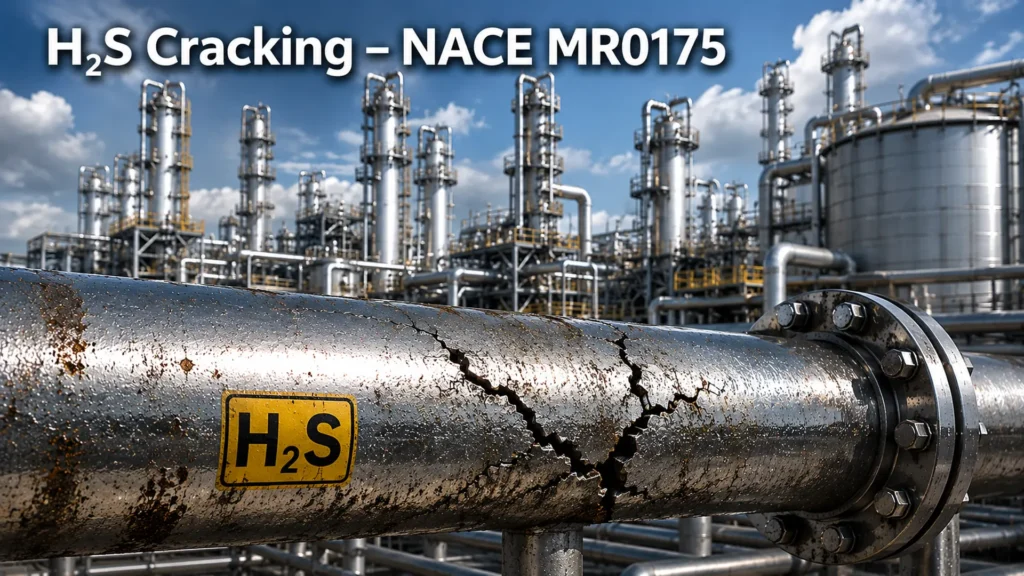
NACE MR0175 establishes material selection requirements to prevent H₂S-induced cracking in sour service environments. Its application is essential for protecting the integrity of pipelines, vessels, and critical equipment in the oil and gas industry.
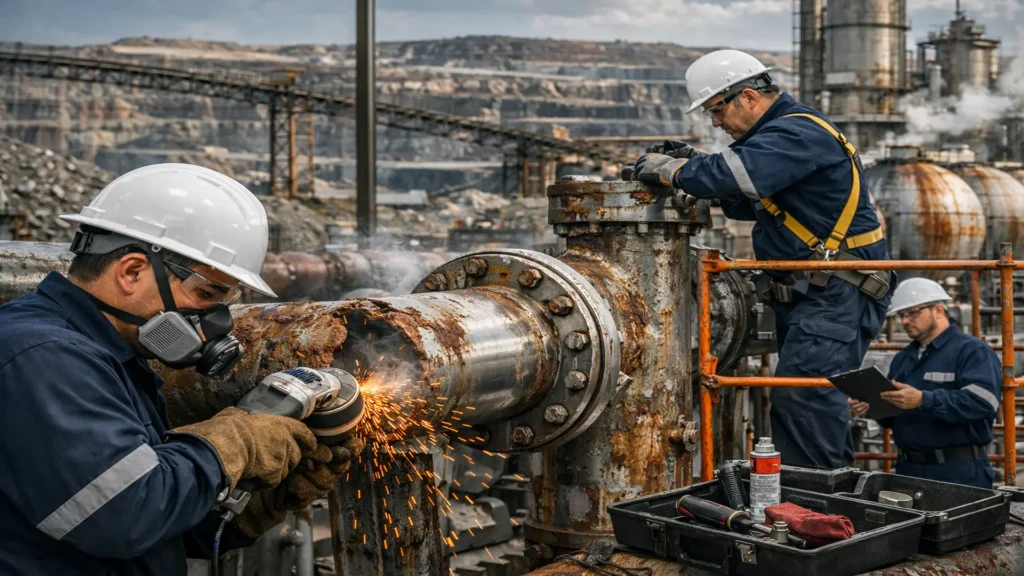
Corrosion management is key to asset integrity, reducing risk and extending industrial equipment service life through inspection and control.
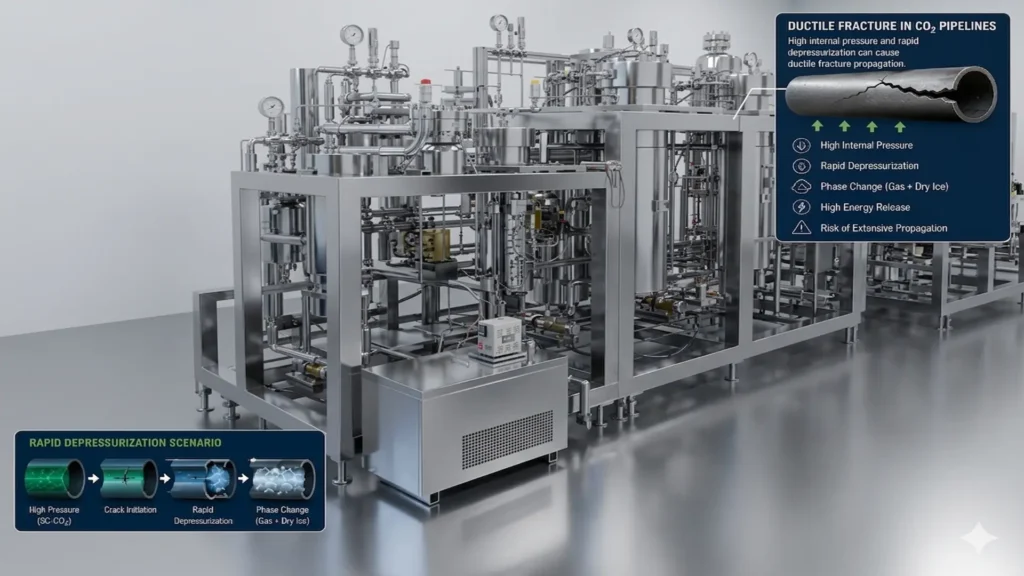
Visual technical analysis focused on operational safety and material design for CO₂ pipelines.
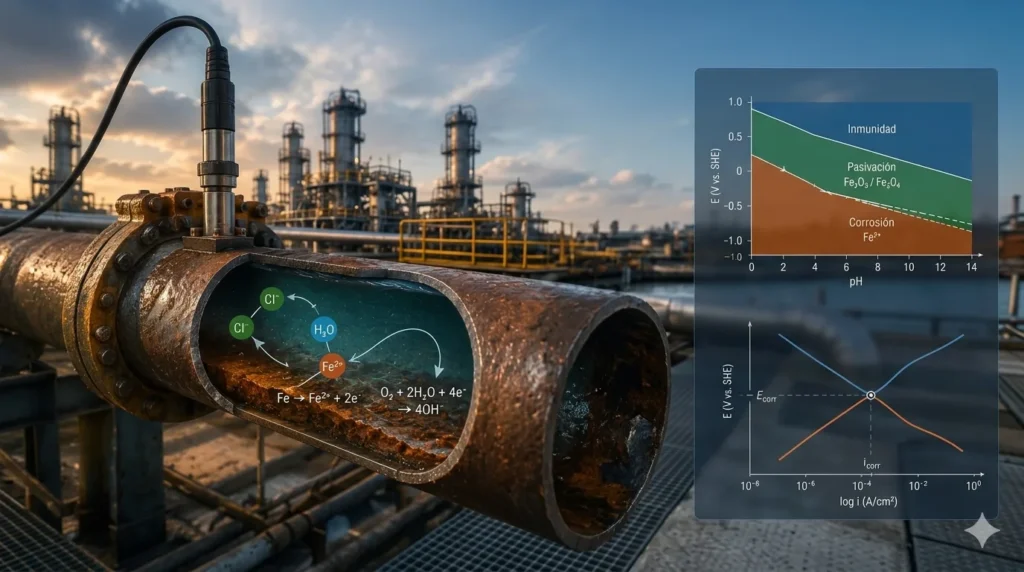
Electrochemical corrosion in industry depends on thermodynamic and kinetic factors that control its initiation and rate.
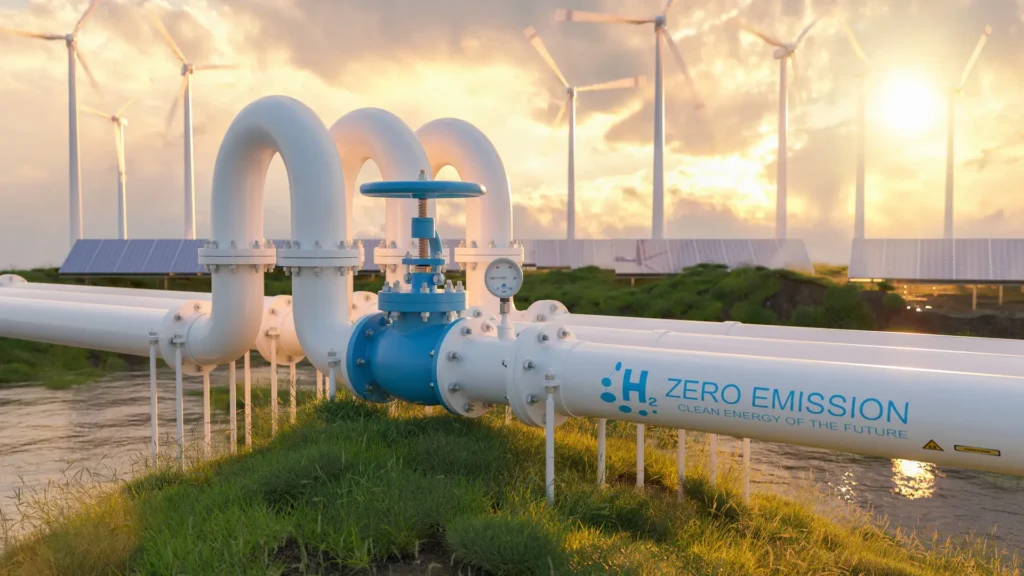
The refurbishment of fossil fuel pipelines for conversion into hydrogen pipelines reduces costs, but requires rigorous assessment of embrittlement, fatigue life, and structural integrity.
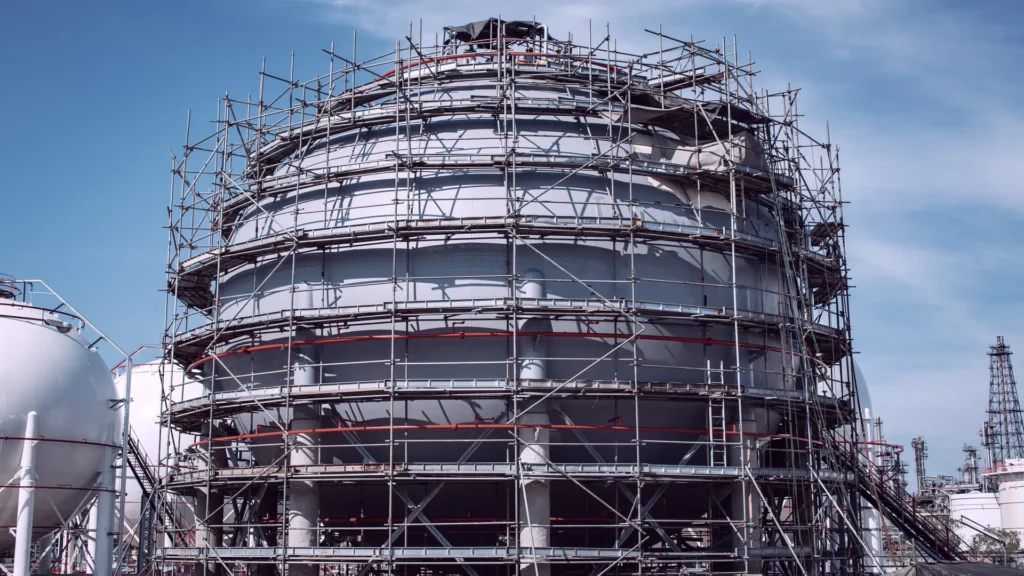
LPG spheres need constant inspection to prevent corrosion in columns, ensure safety, and extend their service life.
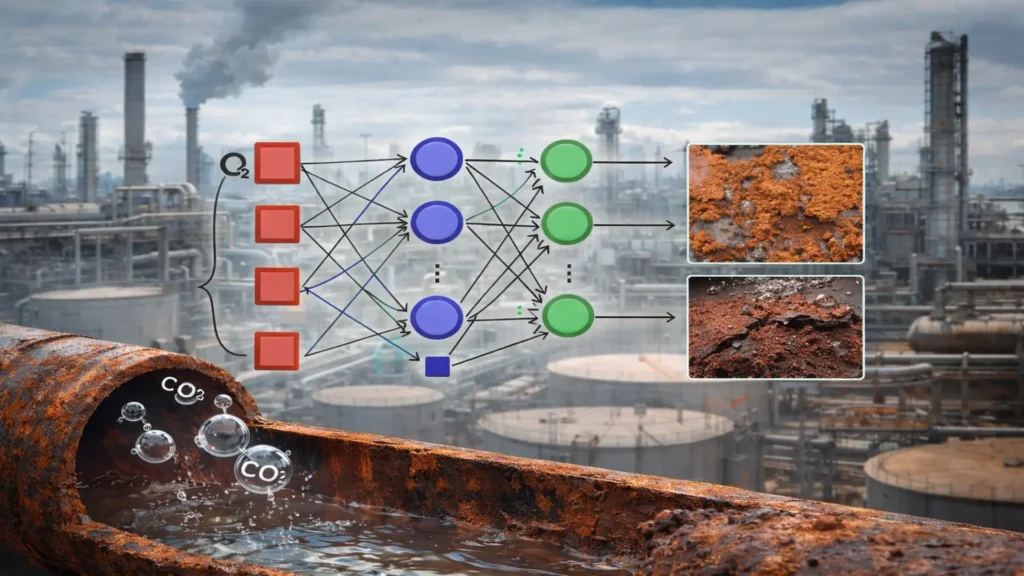
Artificial Neural Networks help detect corrosion patterns and enhance preventive measures in natural gas facilities.
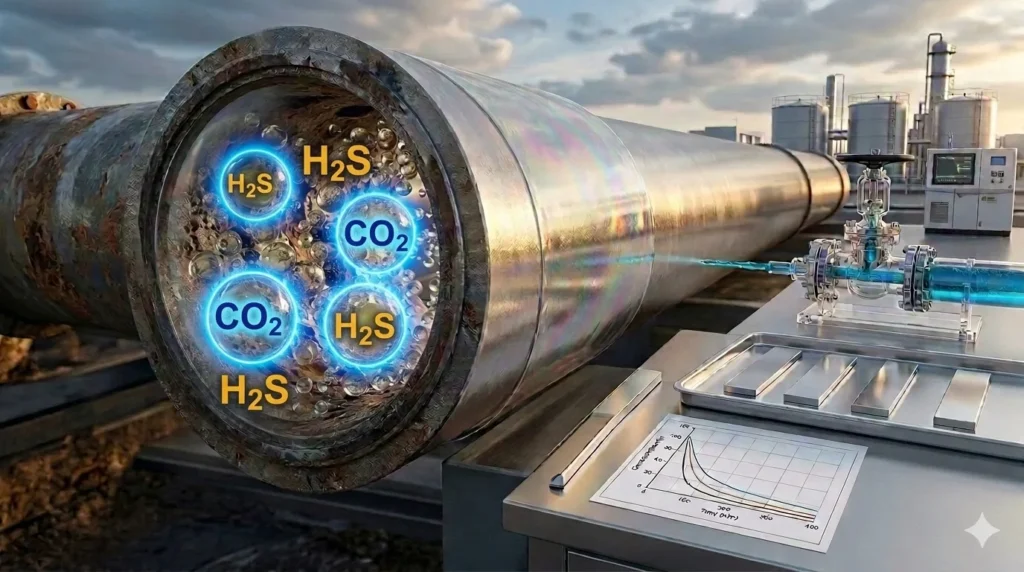
New Advances in Understanding the Mechanism of H₂S/CO₂ Corrosion.
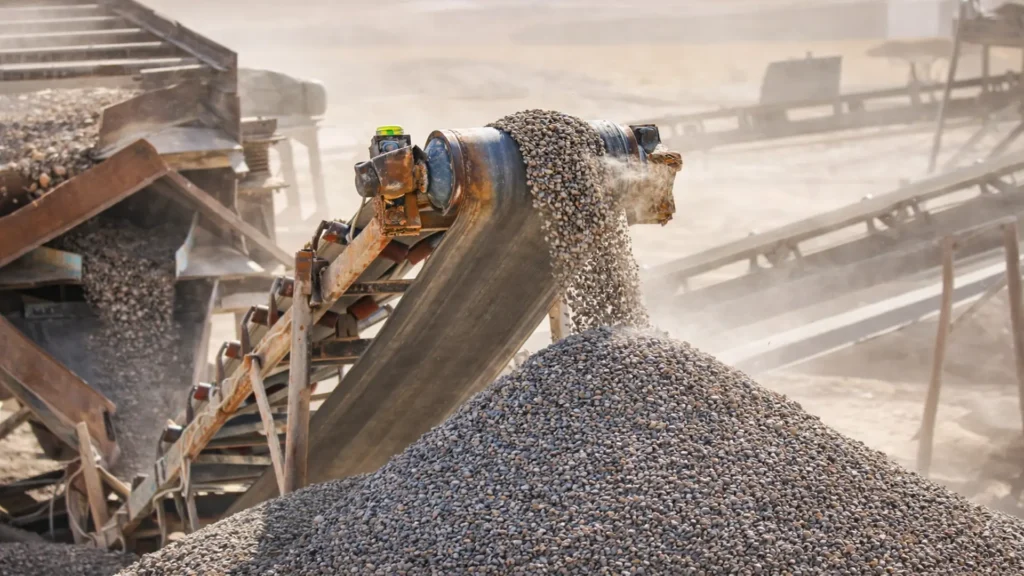
Corrosion in mining is a critical challenge that affects the reliability of equipment and slurry pipelines. Understanding its mechanisms and implementing technical solutions is key to operational integrity.
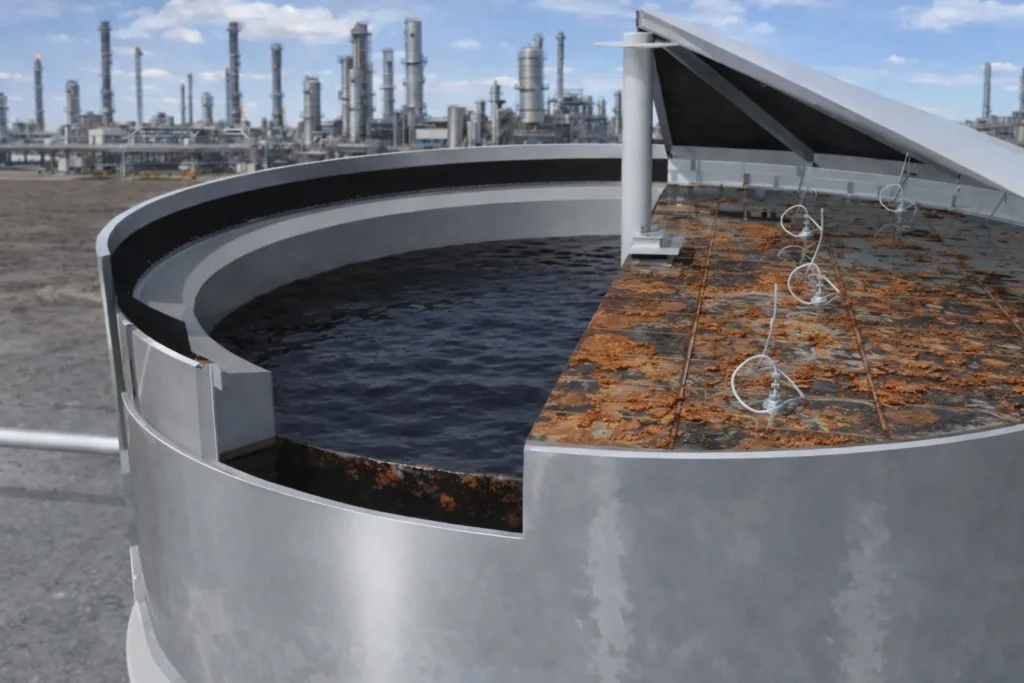
Corrosion in internal floating roofs: Predictive monitoring helps anticipate damage, optimize maintenance, and extend service life.
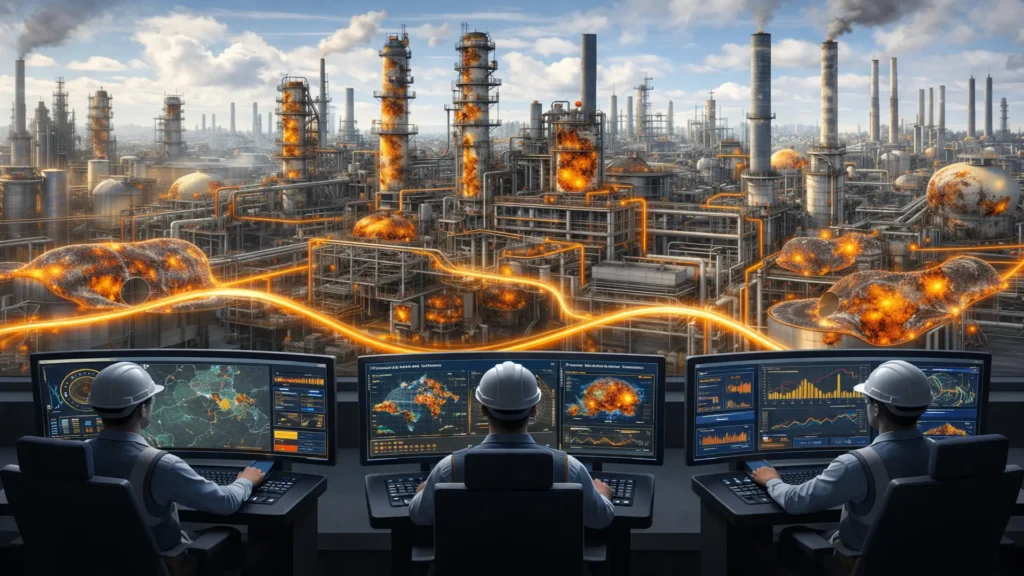
Using predictive models, organizations are moving toward proactive maintenance that ensures structural integrity and process continuity.