
Energy asset management: Technologies for sustainability
Application of AI, smart sensors and digital twins to optimize performance and asset availability in energy systems.

Mechanical Engineer with experience in the oil and gas sector, has technical skills in static equipment inspection, project control, development of work scopes and quality assurance. Contributes to the exchange of knowledge and best practices by writing technical articles related to the energy sector.
Application of AI, smart sensors and digital twins to optimize performance and asset availability in energy systems.
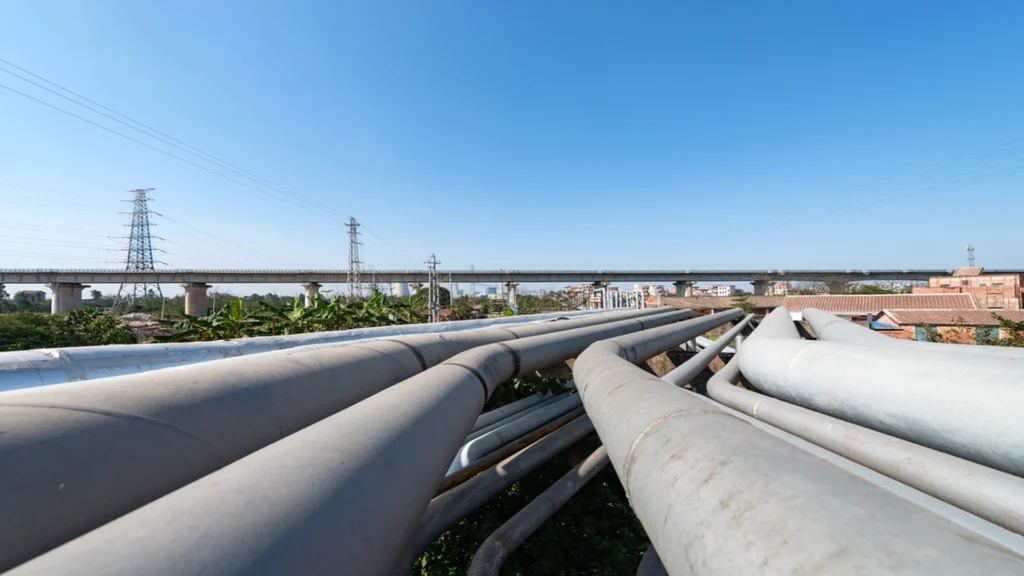
Pipeline failures due to poor monitoring and maintenance lead to outages, regulatory fines, and unplanned costs in industrial settings.
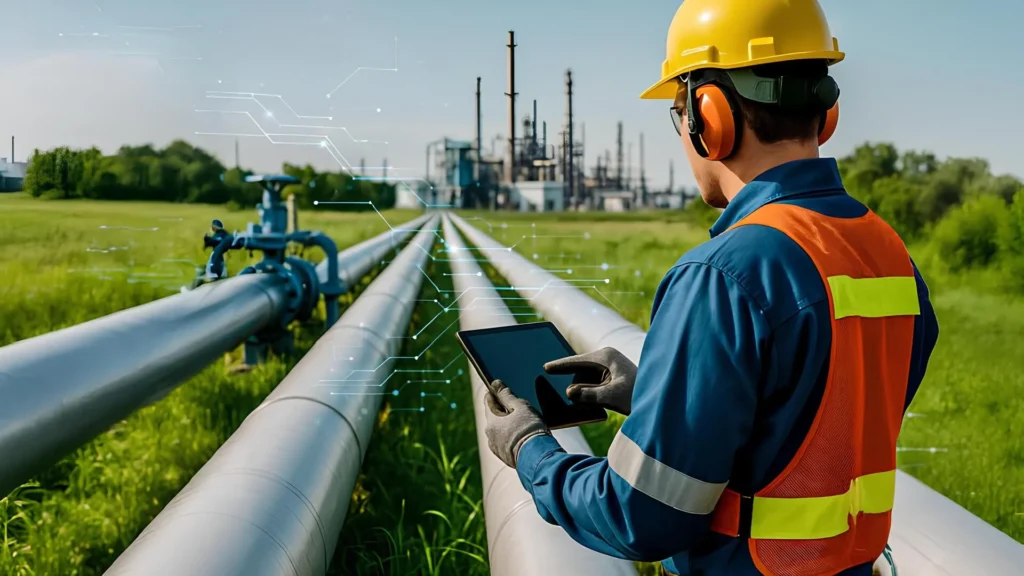
Smart midstream improves efficiency, safety, continuous inspection, and traceability with advanced technologies.
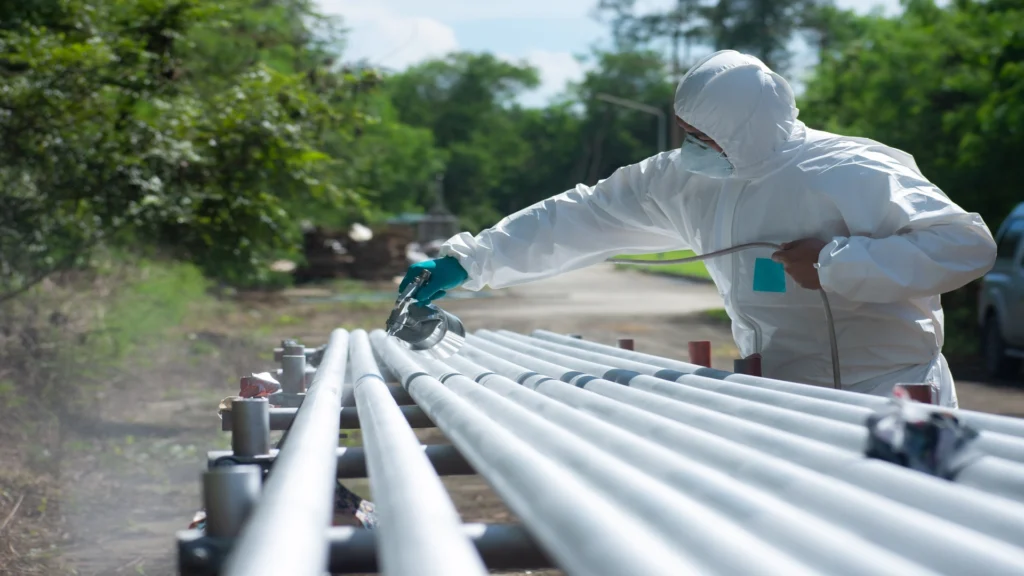
The process of coating metal surfaces, aimed at protecting their integrity and durability, is carried out in four stages: preparation, application, curing, and technical inspection.
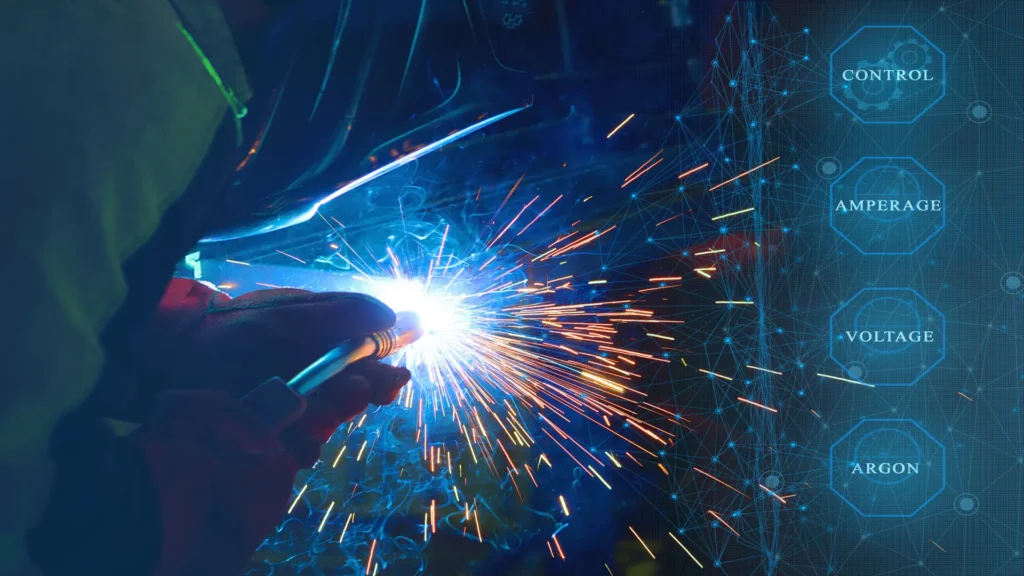
Industrial welding integrates various types of welding, combining classical processes and advanced technologies such as AI, cobots and simulation to maximize accuracy, traceability and efficiency.

The NEOM project integrates green hydrogen, automation, and urban planning as an energy and urban model for 2045.
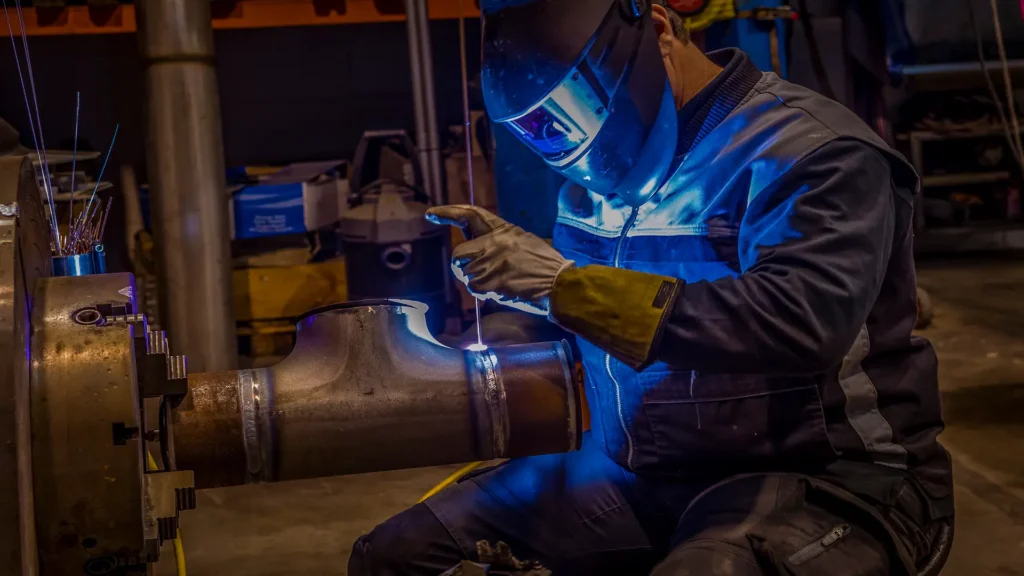
TIG, orbital, submarine and nuclear welders stand out for advanced certifications, technical proficiency and regulatory compliance in strategic sectors.

What drives the world's fastest car? Highly efficient engines, optimized fuels, aerodynamic control, advanced materials and kinetic energy precisely converted to over 250 mph.

Friction stir welding (FSW) is a sustainable non-fusion metal joining process ideal for aluminum, copper, titanium and other metals.
Composed of carbon and hydrogen, hydrocarbons are fundamental to organic chemistry and global energy production.
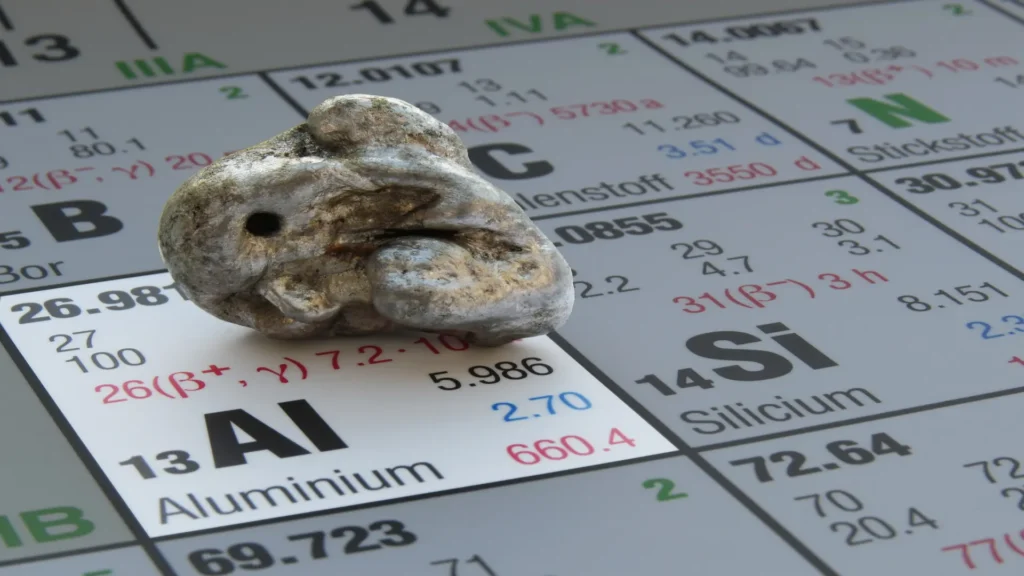
How aluminum is made: from bauxite to pure metal, thermochemical and electrolytic processes are applied to ensure its properties.
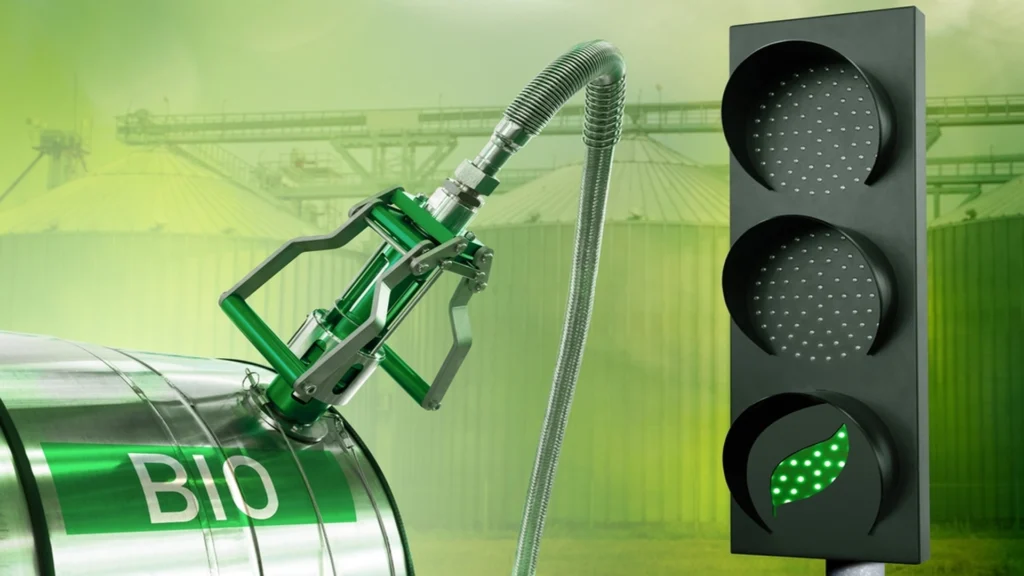
Synthetic fuel offers an immediate way to decarbonize transportation without changing existing engines or infrastructure.