
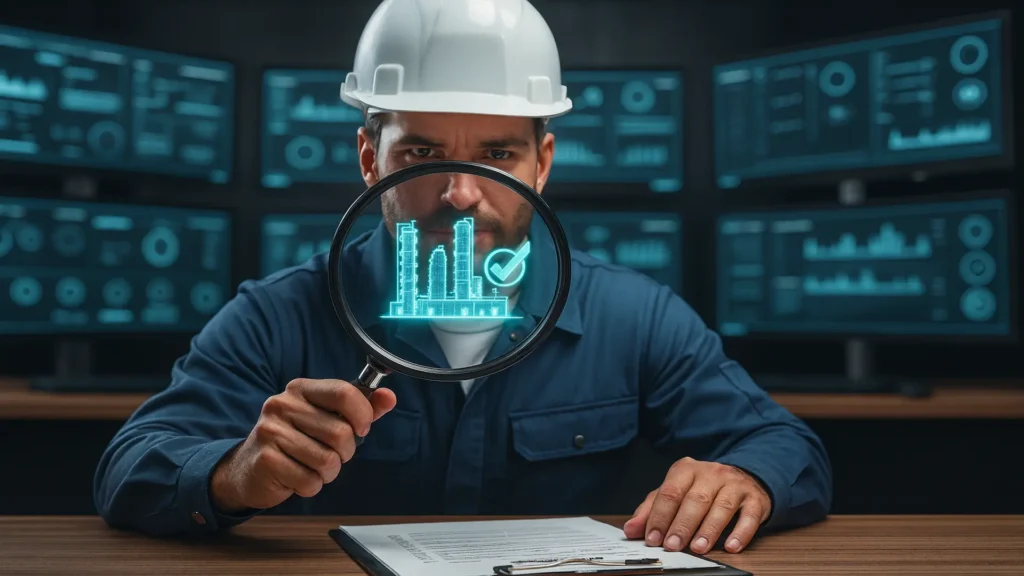
ASME PCC-3: Visual inspection and risk based planning
Visual inspection under ASME PCC-3 strengthens the risk-based approach by linking CoF, PoF, and visual data with reliable decisions.

Mechanical Engineer with experience in the oil and gas sector, has technical skills in static equipment inspection, project control, development of work scopes and quality assurance. Contributes to the exchange of knowledge and best practices by writing technical articles related to the energy sector.
Visual inspection under ASME PCC-3 strengthens the risk-based approach by linking CoF, PoF, and visual data with reliable decisions.
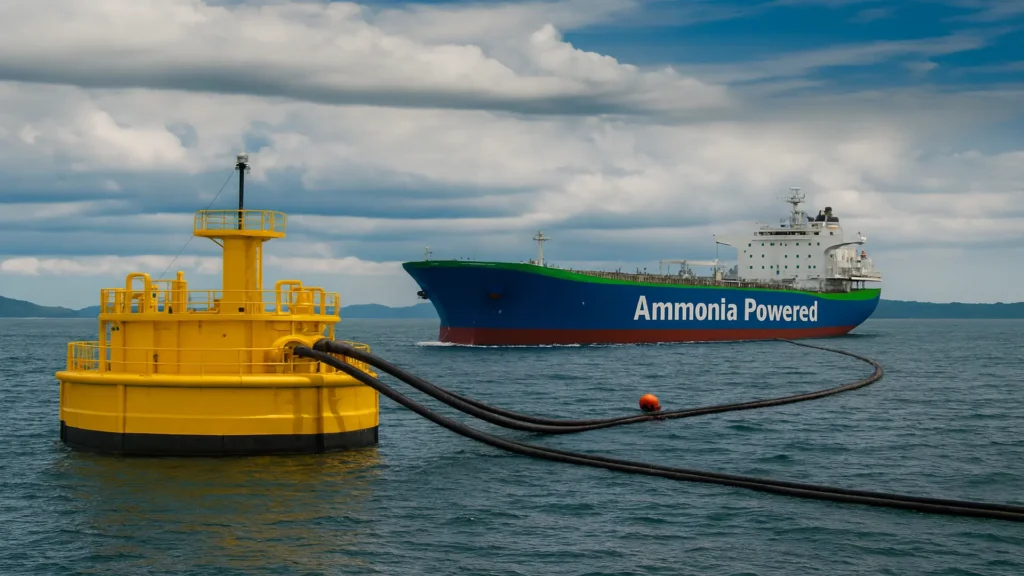
CALM monobuoys must be adapted to alternative fuels, integrating cryogenics, advanced materials, and monitoring to ensure safe transfer.

The new generation of marine hoses combines advanced materials and digital monitoring to ensure safer, more reliable, and sustainable offshore transfers.
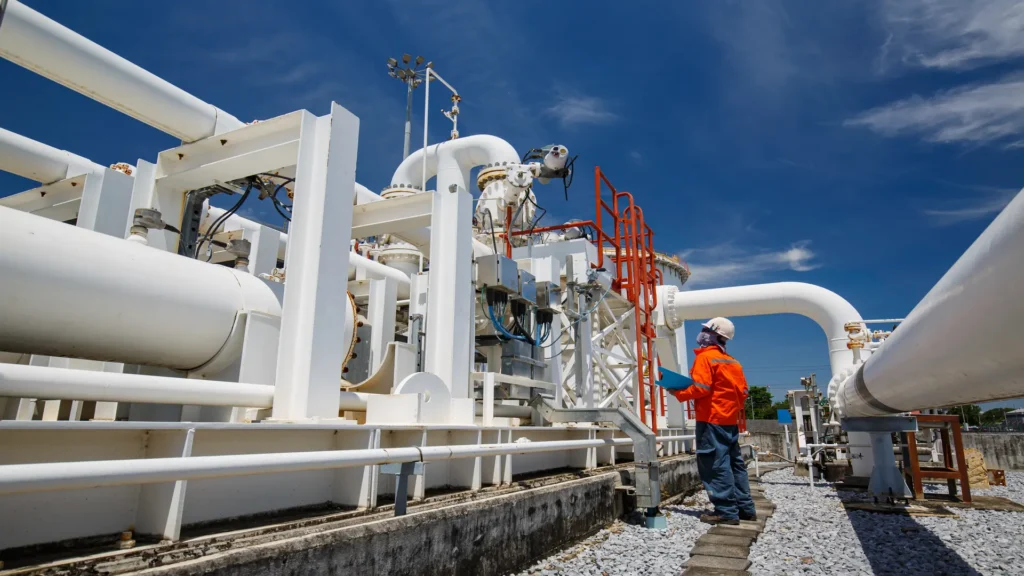
In-service visual inspection provides real evidence to assess external conditions, anticipate failures, and optimize risk-based industrial integrity programs.
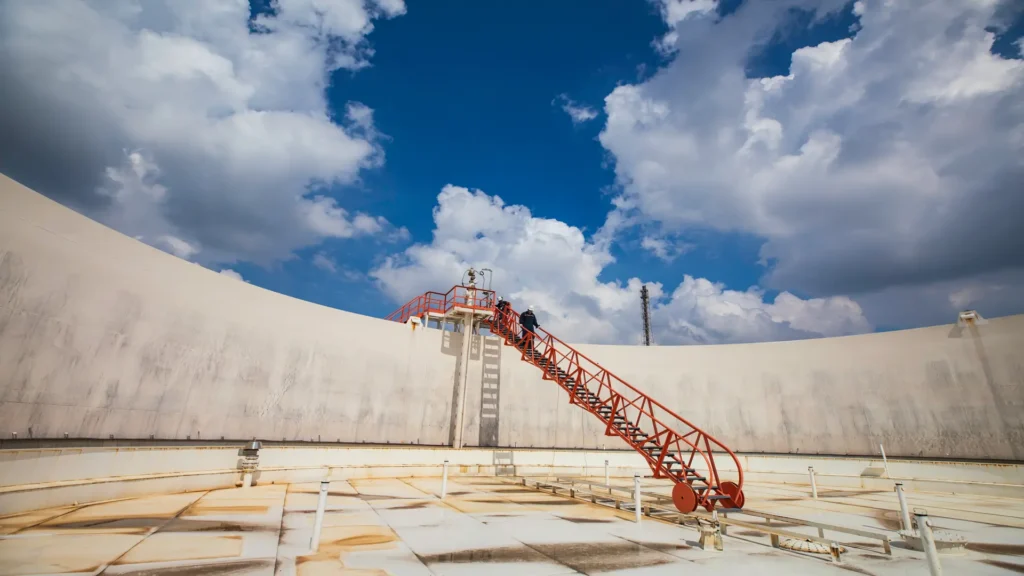
Floating roof seals control vapors, reduce emissions and evaporation losses, improve operational safety, and maintain the mechanical stability of the roof.
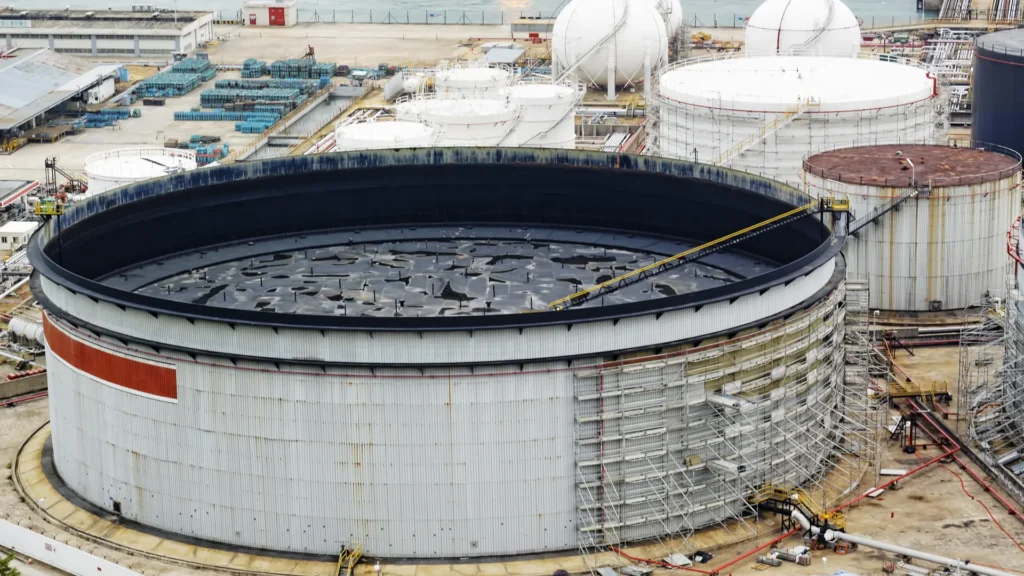
Storage tanks, exposed to harsh environments and operating cycles, can deteriorate silently and cause critical operational failures.
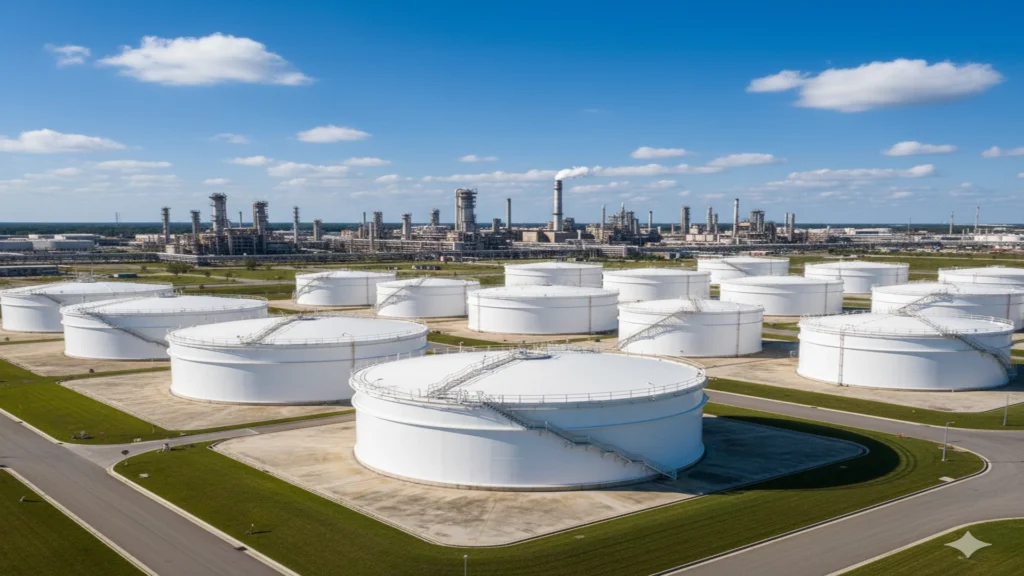
API TR 655 establishes guidelines for applying VCI inhibitors to reduce soil-side corrosion in storage tank bottoms.

Digital resilience and cybersecurity strengthen OT/IT security, protect energy infrastructure, and ensure operational continuity in oil and gas.
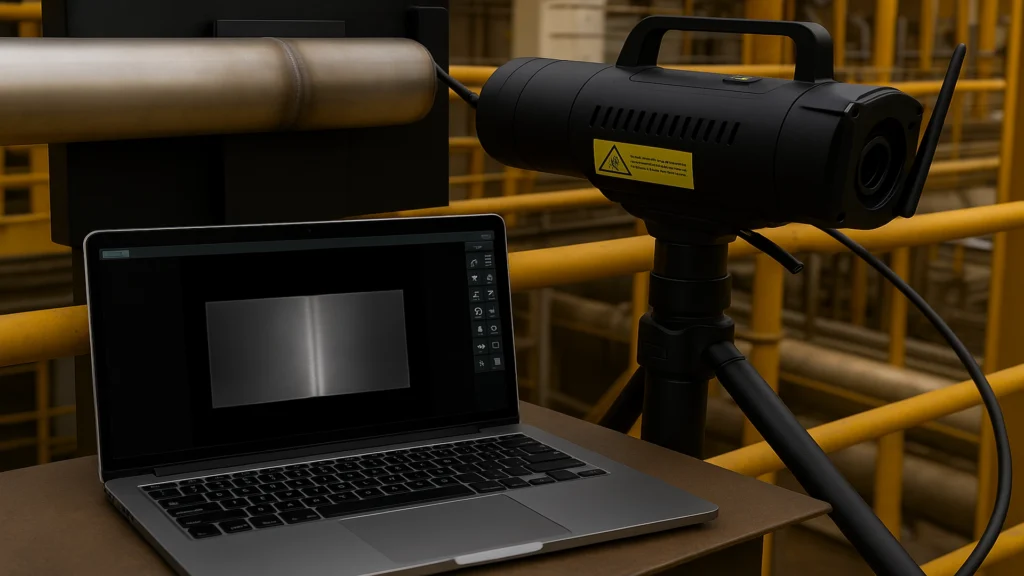
Radiographic testing allows internal inspection without affecting materials, now with CR/DR, digital traceability and artificial intelligence.
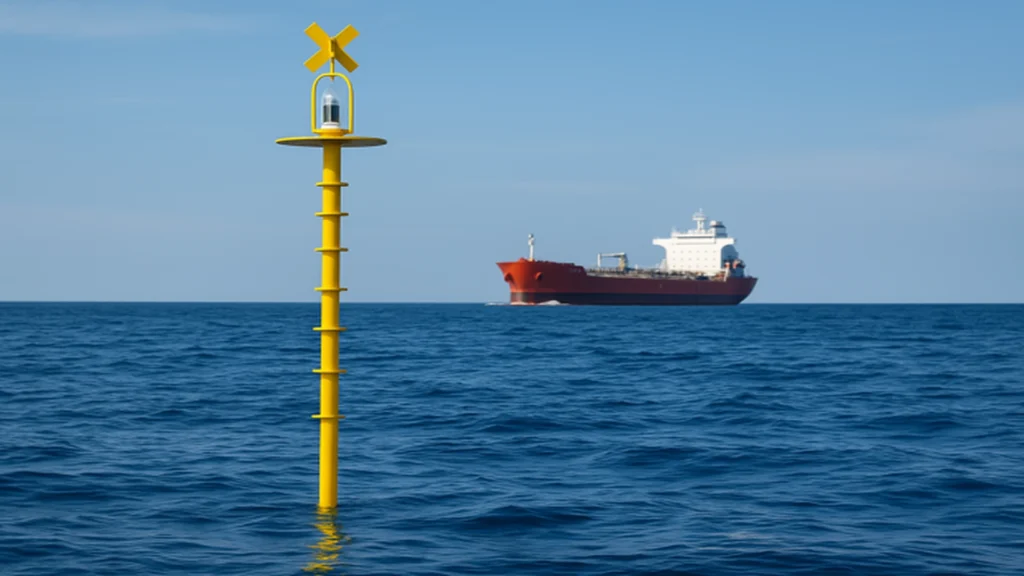
On maritime routes, articulated buoys improve stability, ensure accurate signaling, and reduce maintenance costs, guaranteeing safety in demanding operational environments.
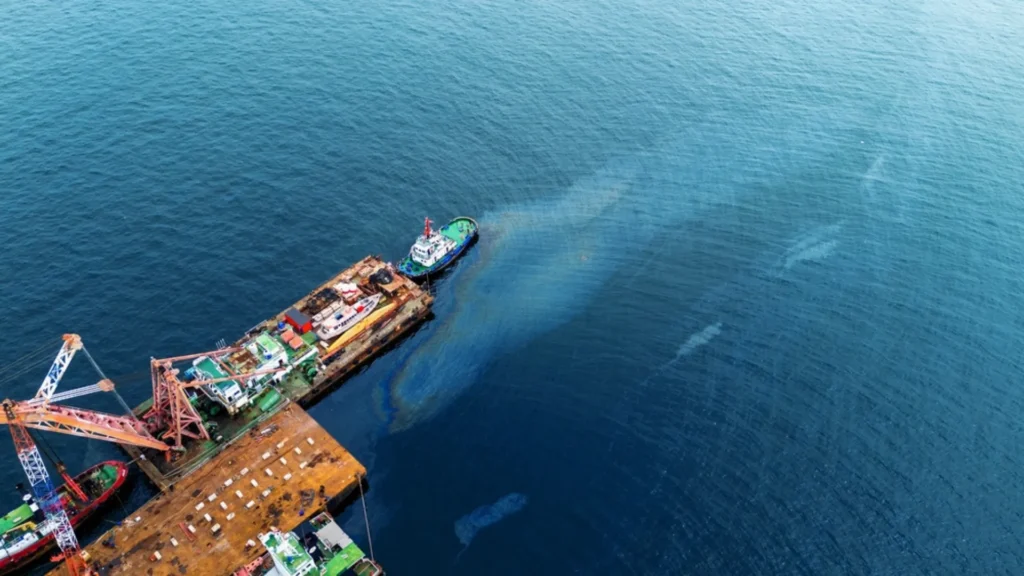
Discover how artificial intelligence, SAR, and remote sensing accelerate oil spill detection, reducing environmental impacts.

Exploring the types, applications and advantages of elastomeric coating in industrial protection.