
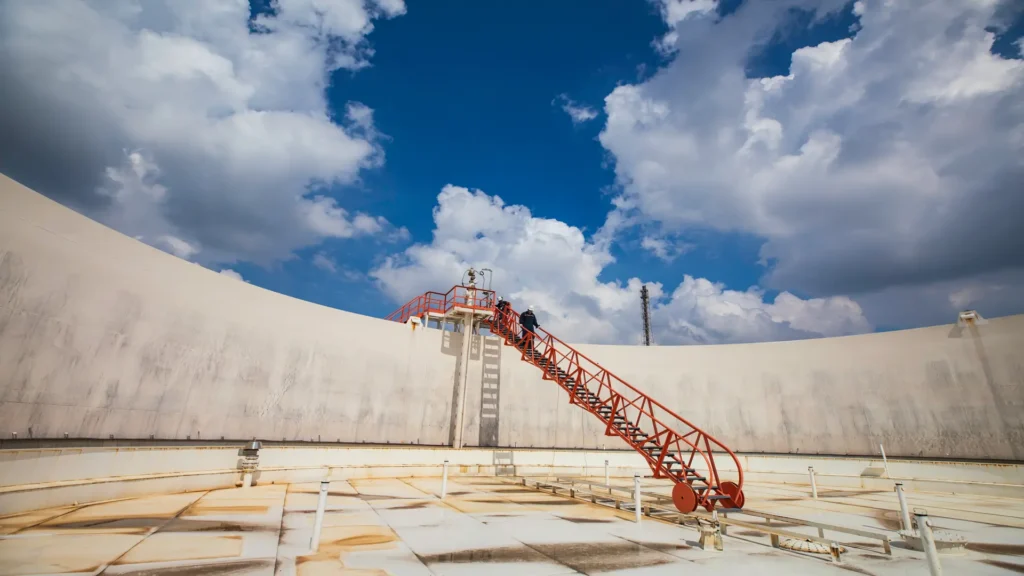
Floating roof seals: functions, types, and materials
Floating roof seals control vapors, reduce emissions and evaporation losses, improve operational safety, and maintain the mechanical stability of the roof.

Mechanical Engineer with experience in the oil and gas sector, has technical skills in static equipment inspection, project control, development of work scopes and quality assurance. Contributes to the exchange of knowledge and best practices by writing technical articles related to the energy sector.
Floating roof seals control vapors, reduce emissions and evaporation losses, improve operational safety, and maintain the mechanical stability of the roof.
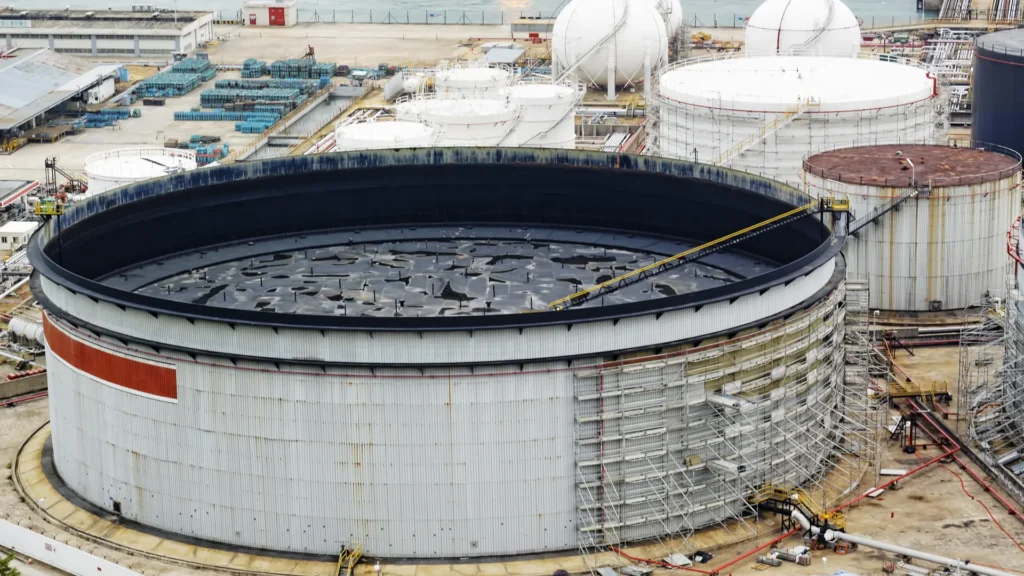
Storage tanks, exposed to harsh environments and operating cycles, can deteriorate silently and cause critical operational failures.
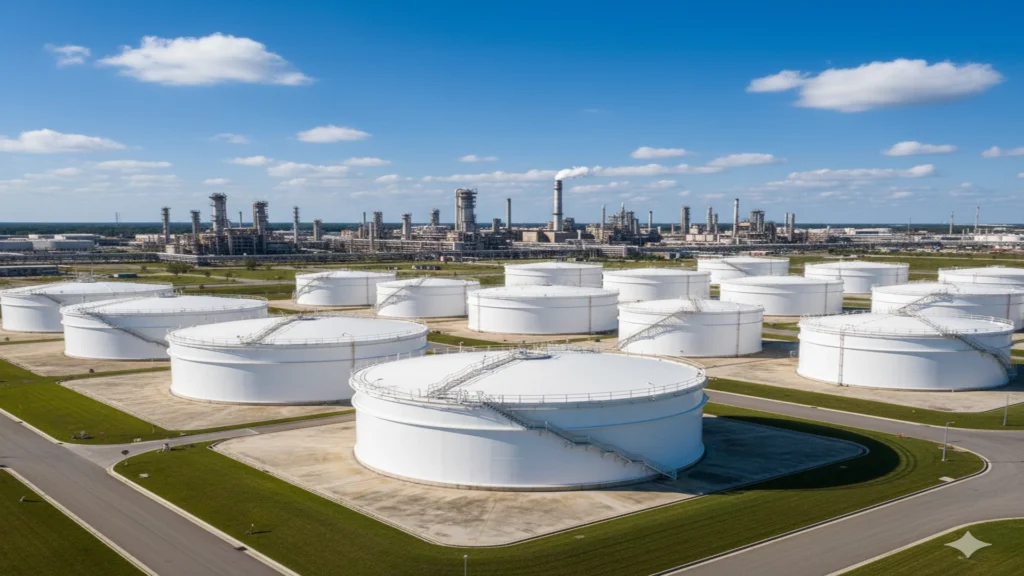
API TR 655 establishes guidelines for applying VCI inhibitors to reduce soil-side corrosion in storage tank bottoms.

Digital resilience and cybersecurity strengthen OT/IT security, protect energy infrastructure, and ensure operational continuity in oil and gas.
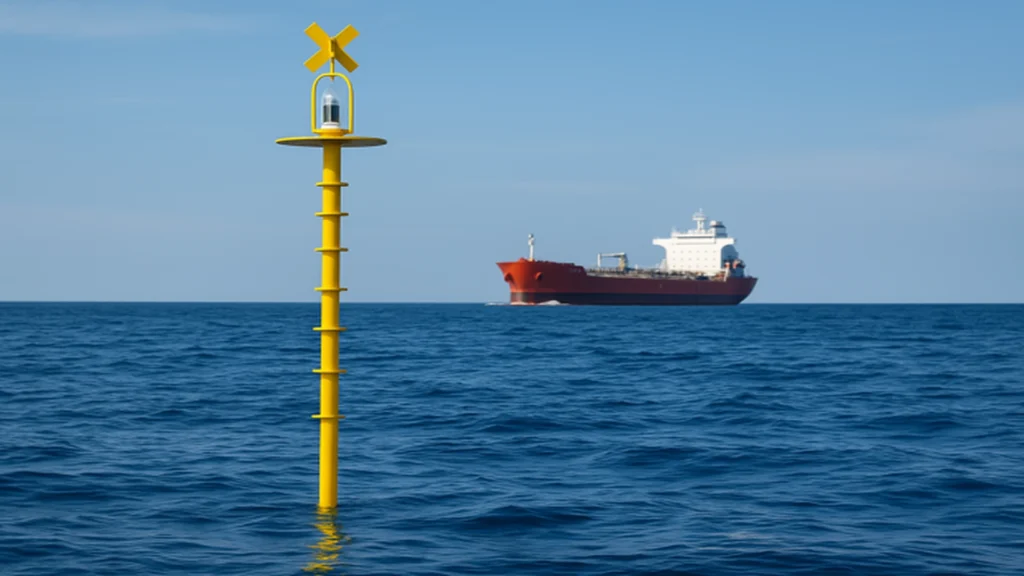
On maritime routes, articulated buoys improve stability, ensure accurate signaling, and reduce maintenance costs, guaranteeing safety in demanding operational environments.
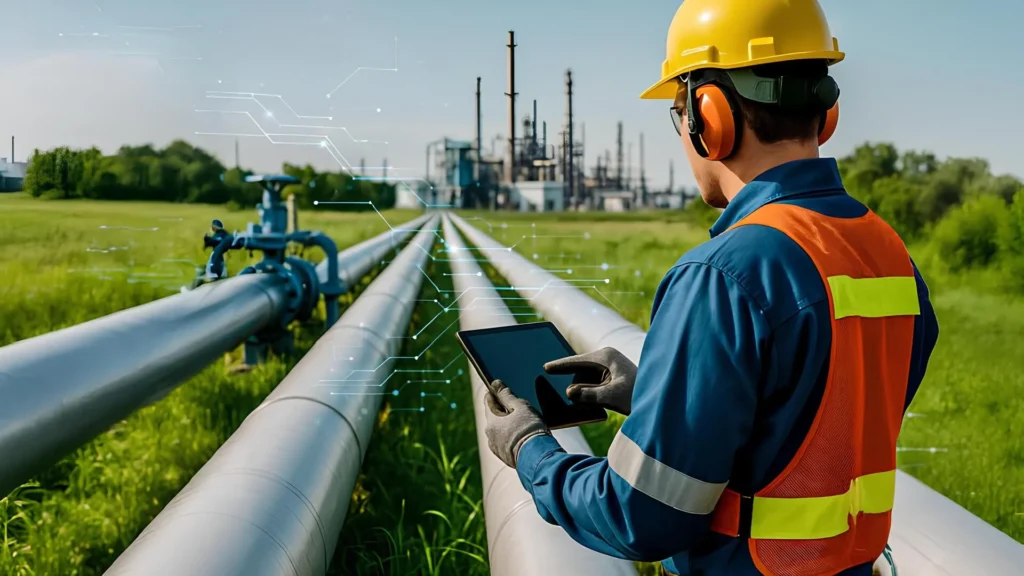
Smart midstream improves efficiency, safety, continuous inspection, and traceability with advanced technologies.
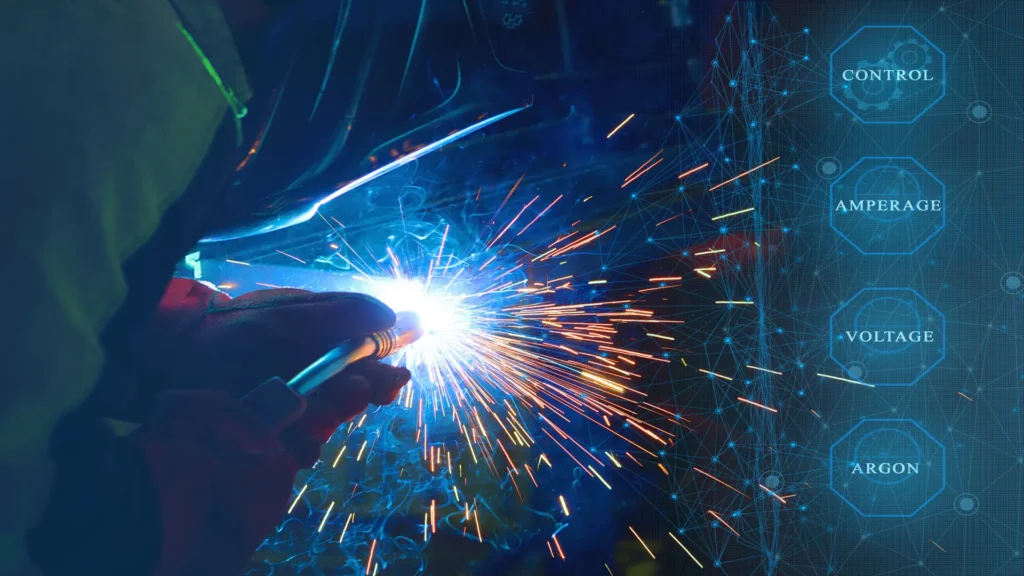
Industrial welding integrates various types of welding, combining classical processes and advanced technologies such as AI, cobots and simulation to maximize accuracy, traceability and efficiency.
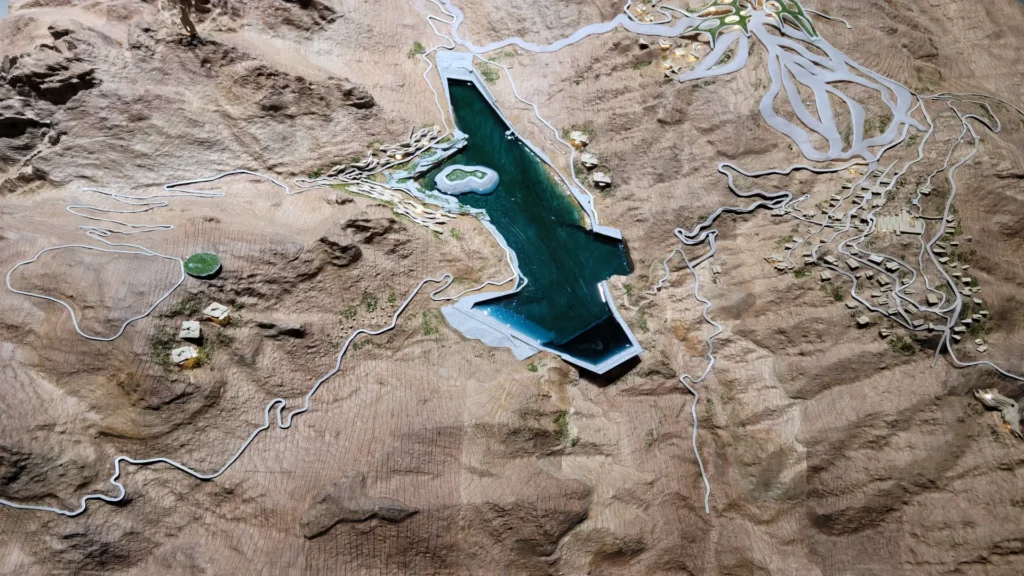
The NEOM project integrates green hydrogen, automation, and urban planning as an energy and urban model for 2045.
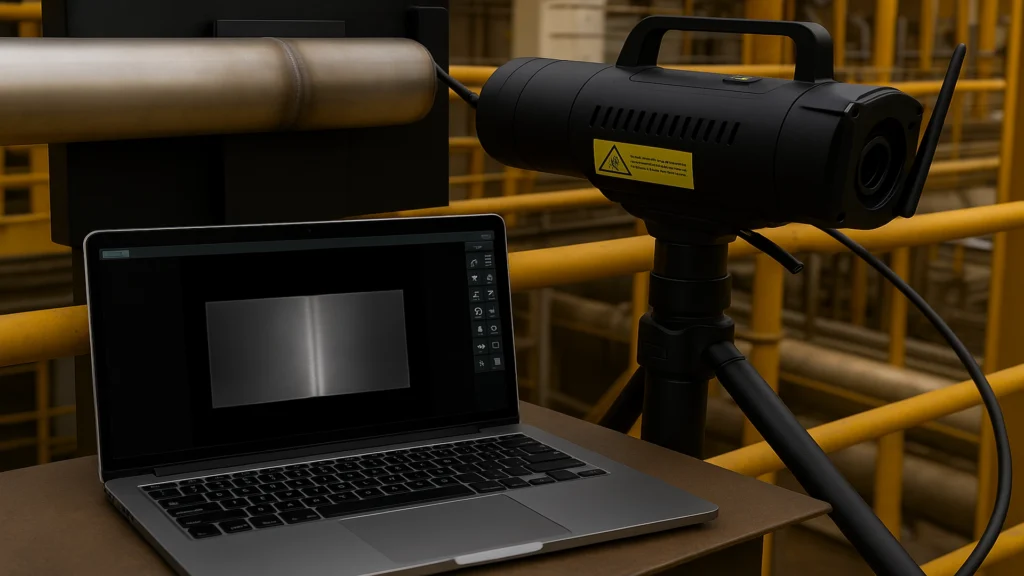
Radiographic testing allows internal inspection without affecting materials, now with CR/DR, digital traceability and artificial intelligence.
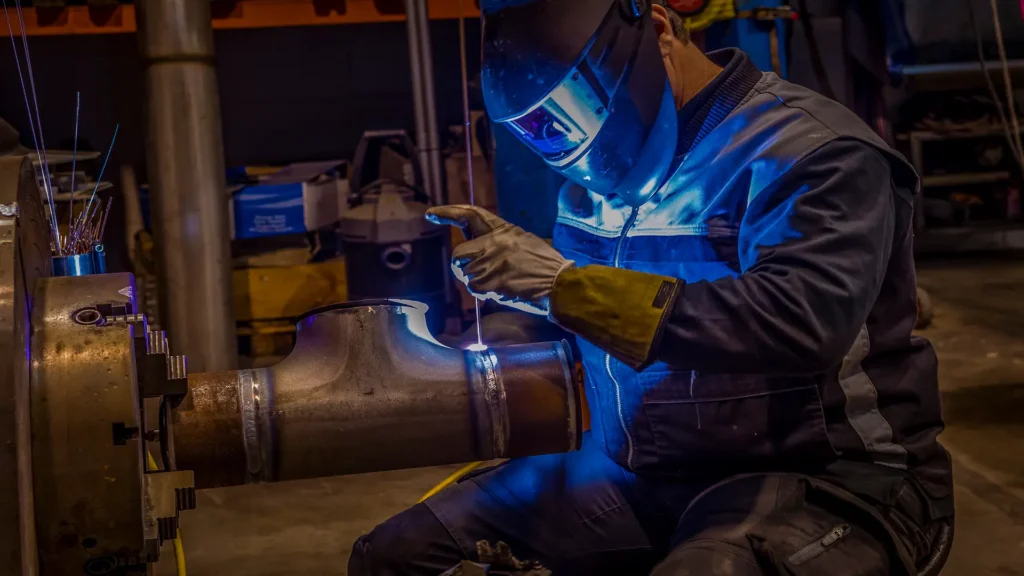
TIG, orbital, submarine and nuclear welders stand out for advanced certifications, technical proficiency and regulatory compliance in strategic sectors.

What drives the world's fastest car? Highly efficient engines, optimized fuels, aerodynamic control, advanced materials and kinetic energy precisely converted to over 250 mph.
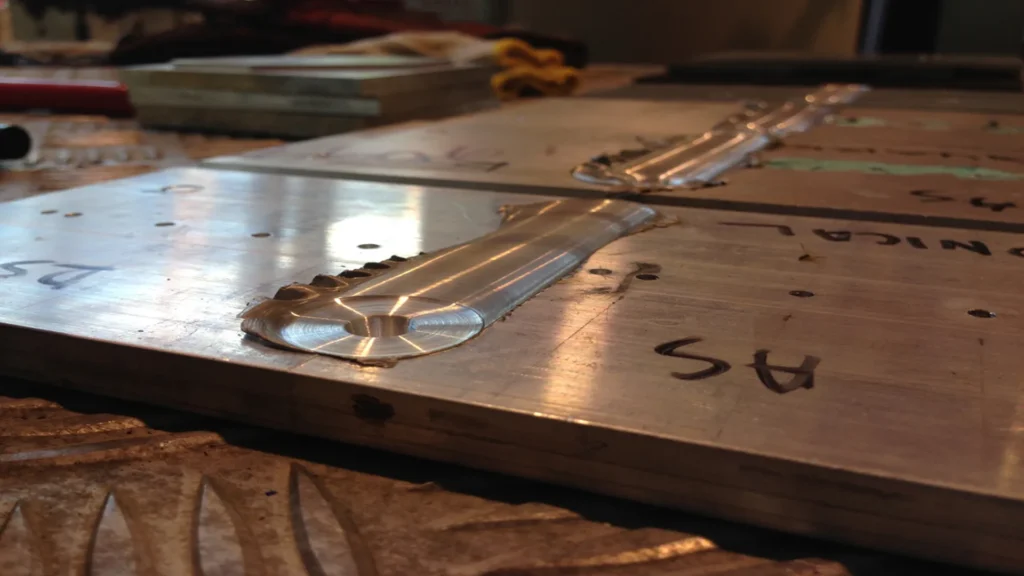
Friction stir welding (FSW) is a sustainable non-fusion metal joining process ideal for aluminum, copper, titanium and other metals.