

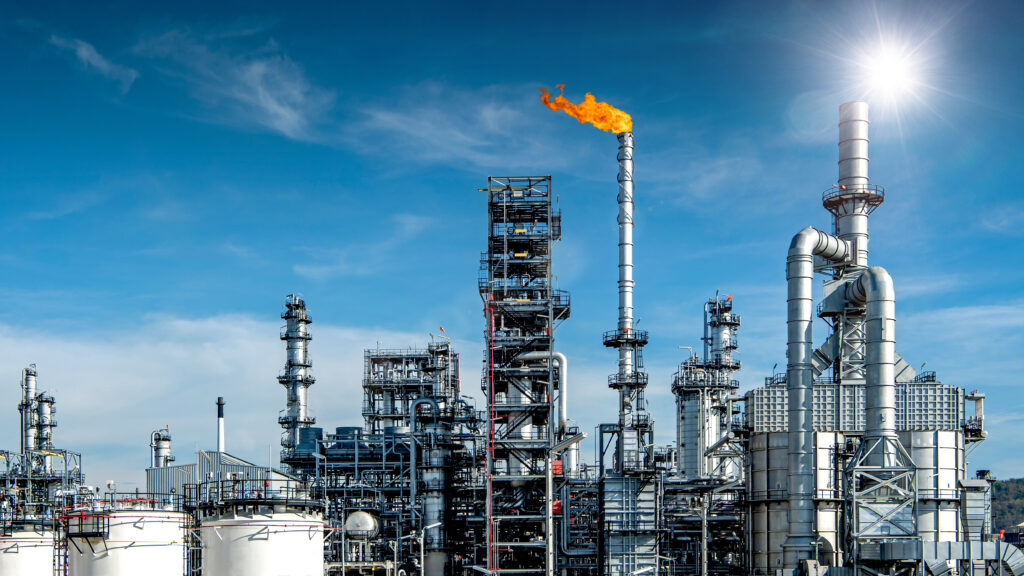
H2S corrosion in the Upstream sector: Current challenges and solutions
New strategies seek to mitigate the effects of H₂S on oil exploration and production.
New strategies seek to mitigate the effects of H₂S on oil exploration and production.

Smart mobility is transforming with sensors, connectivity, and predictive analytics applied to driverless vehicles.
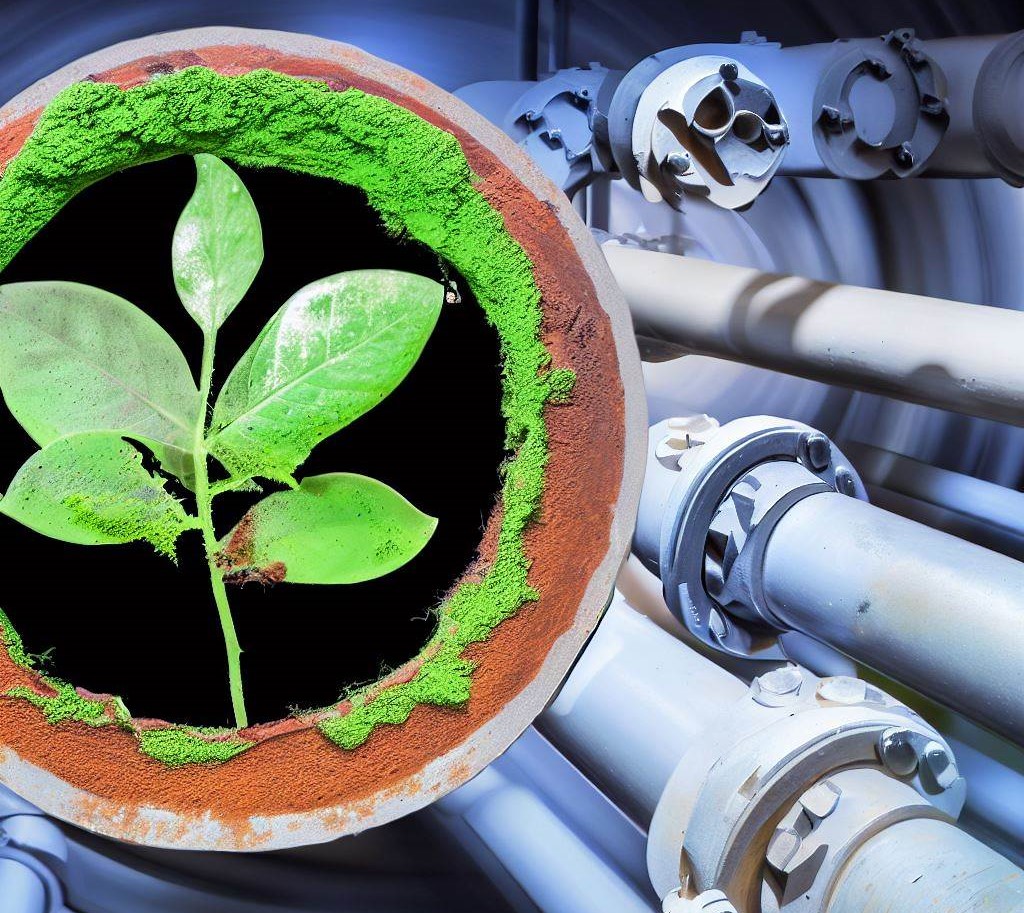
Corrosion inhibitors from plant extracts protect metal structures and the environment, being a natural and promising solution.
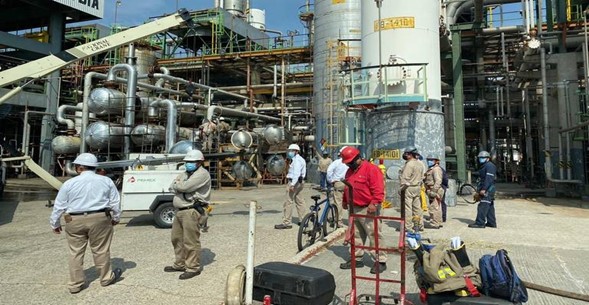
Applying advance analysis and comprehensive planning improves safety and minimizes downtime during plant shutdowns.

Exploring the technological transition from physical robots to digital bots.
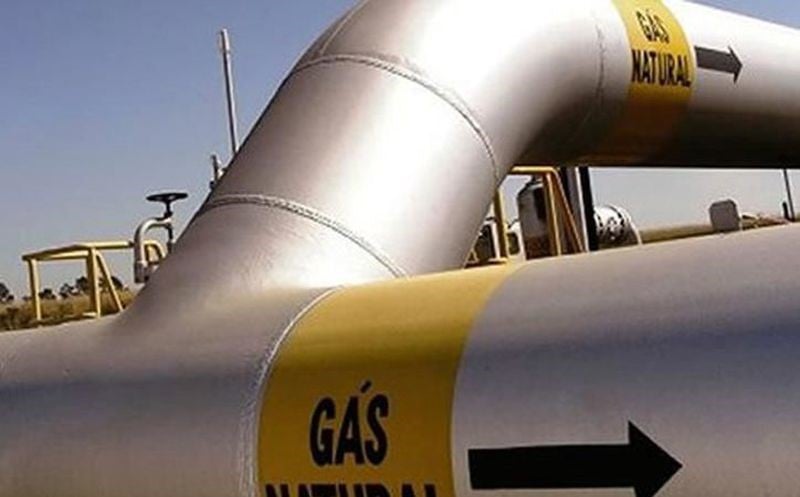
Pipeline safety management combines prevention, rapid response and modern technologies to mitigate risks and protect the environment.

Transformations in logistics, infrastructure, and energy consumption due to the advancement of electric vehicles.

Non-destructive inspection technologies improve safety, reduce risks, and optimize processes in the oil sector.

Asset management helps mitigate corrosion, protecting critical infrastructure and reducing operational failures.

These cells are advancing as a viable alternative to silicon, with key advantages in efficiency.
New technologies make green hydrogen more viable, bringing the energy industry closer to the goals of the Paris Agreement.

The transition to biofuels is key to a sustainable future, reducing carbon emissions and replacing fossil fuels.