

How to integrate climate change into ISO 9001:2015 systems
Incorporating climate change into ISO 9001:2015 to achieve sustainable business management.

Doctor in Administrative Sciences and management consultant with a solid background in Industrial Engineering, quality management and productivity engineering. His academic experience spans almost two decades, being a professor at various institutions and the author of books and numerous scientific articles in areas such as quality management, strategic foresight and business models.
Incorporating climate change into ISO 9001:2015 to achieve sustainable business management.

The application of the 5S methodology is key to the operational optimization of warehouses.

Relation of ISO 9001 requirements to quality management principles.

Application of innovation management approaches in traditional industries.

Providing guidance on the principles for management system audits.

Integrating climate change in ISO 9001:2015 to achieve sustainable and resilient quality management.
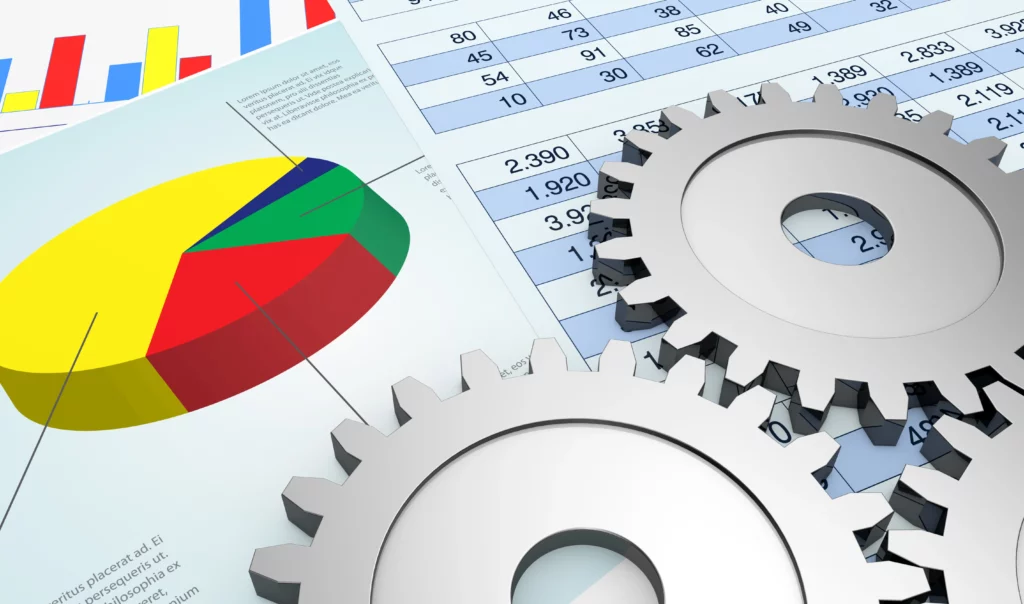
Statistical Quality Control is essential to improve accuracy and quality in manufacturing processes in the metalworking industry.

Specialized training is essential to develop leaders in quality management, offering innovative tools and demonstrating their transformational impact.

The demand for automation skills is transforming industrial processes and requires ongoing, tailored technical training.

The implementation of an ISO 9001:2015 quality management system is challenging, but staff commitment is key to success.
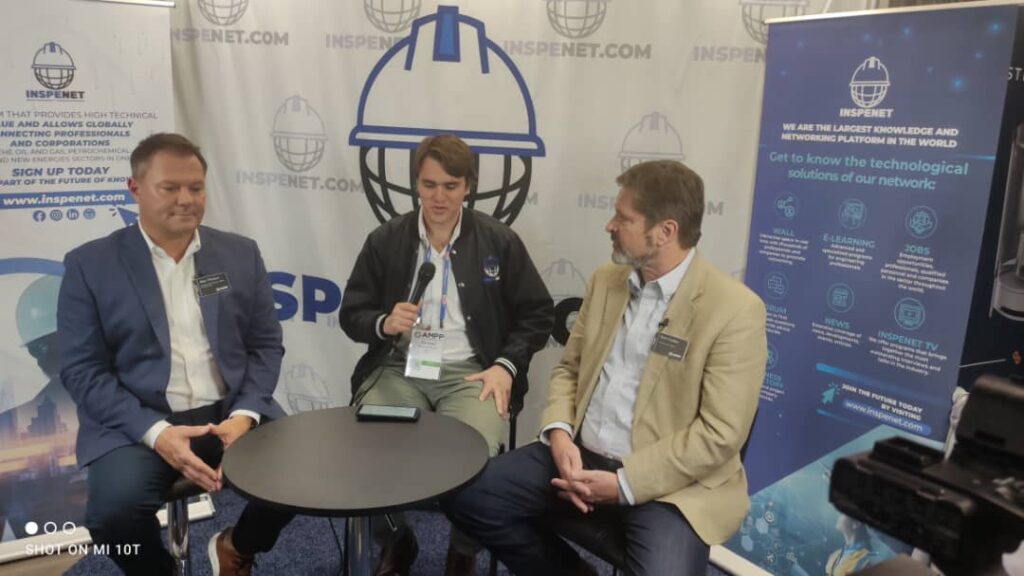
Inspenet, March 30, 2023. From March 19 to 23, the AMPP 2023 annual conference was held, it is the second formally after the merger of NACE and SSPC. On this occasion, Denver, Colorado, was the venue at the Convention Center of that city and was attended by almost 6,000 attendees, a number that constitutes a record for this type of event.

Process integration drives organizations to adapt and stay competitive, achieving key business results and objectives.