
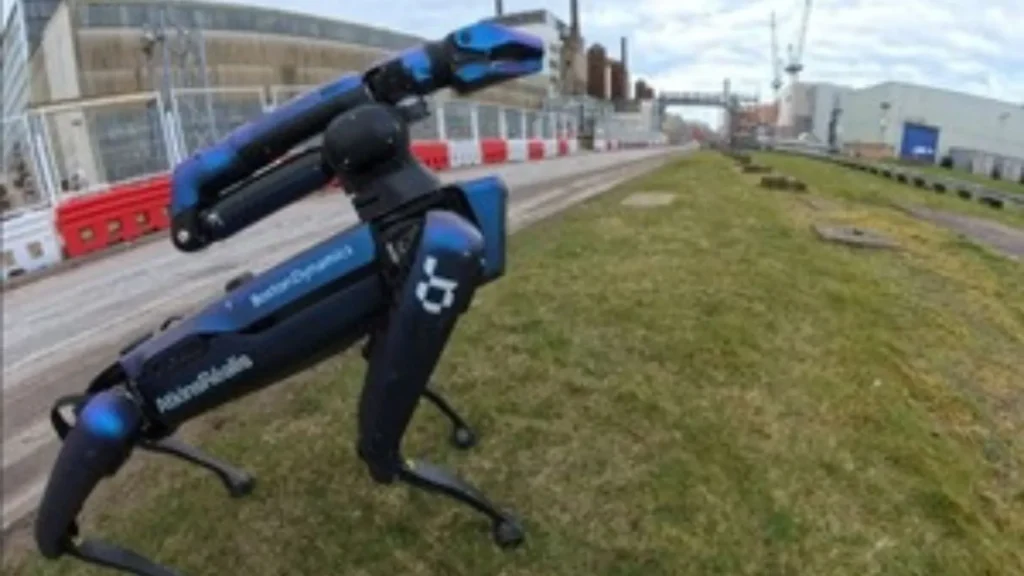
Remote robotics transforms nuclear decommissioning operations at Sellafield
The team used Boston Dynamics' Spot robot, designed to perform remote inspections and cleaning work in hazardous environments.

Industrial engineer, entrepreneur and copywriter with several years of experience in the digital world. A fan of reading and creative writing. Isbel has always been fascinated by topics related to the ocean and the mysteries of the universe. She has been part of the Inspenet team as a news editor since 2023.
The team used Boston Dynamics' Spot robot, designed to perform remote inspections and cleaning work in hazardous environments.
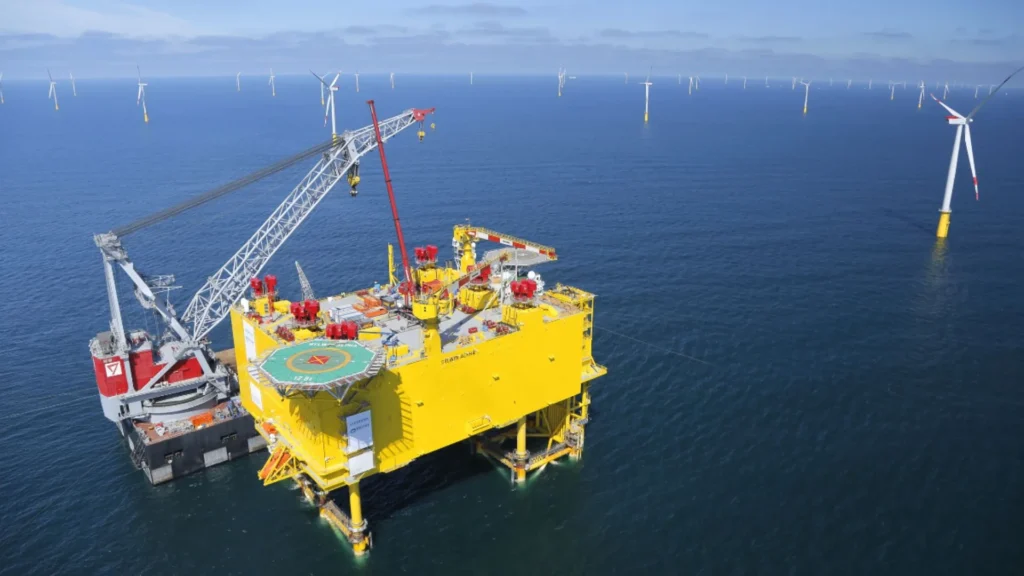
The company will use a vessel with a foot access system, specialized divers, and an ROV equipped with high-precision tools.
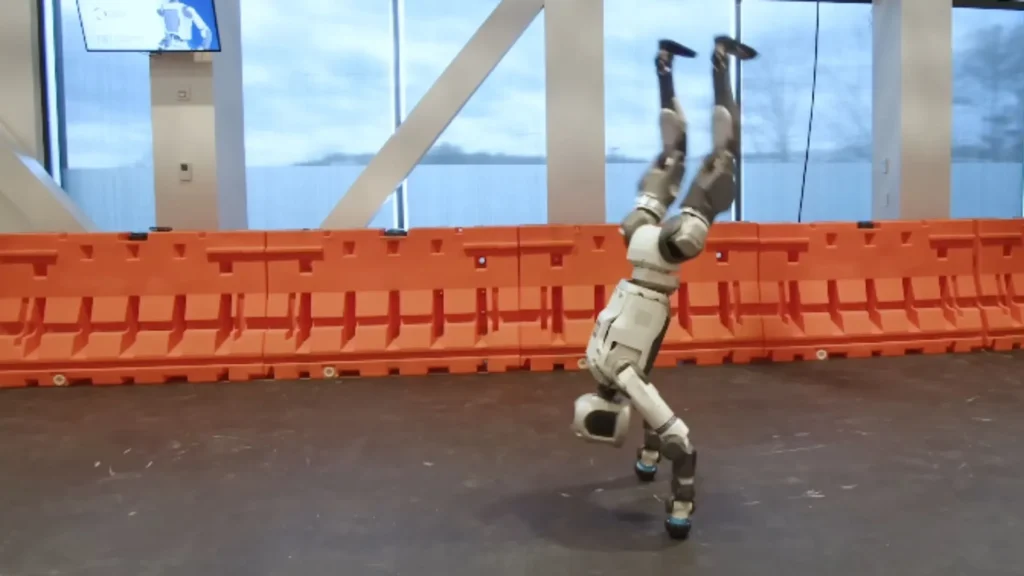
Its advanced control algorithms allow the robot to plan complex whole-body movements taking into account the environment.
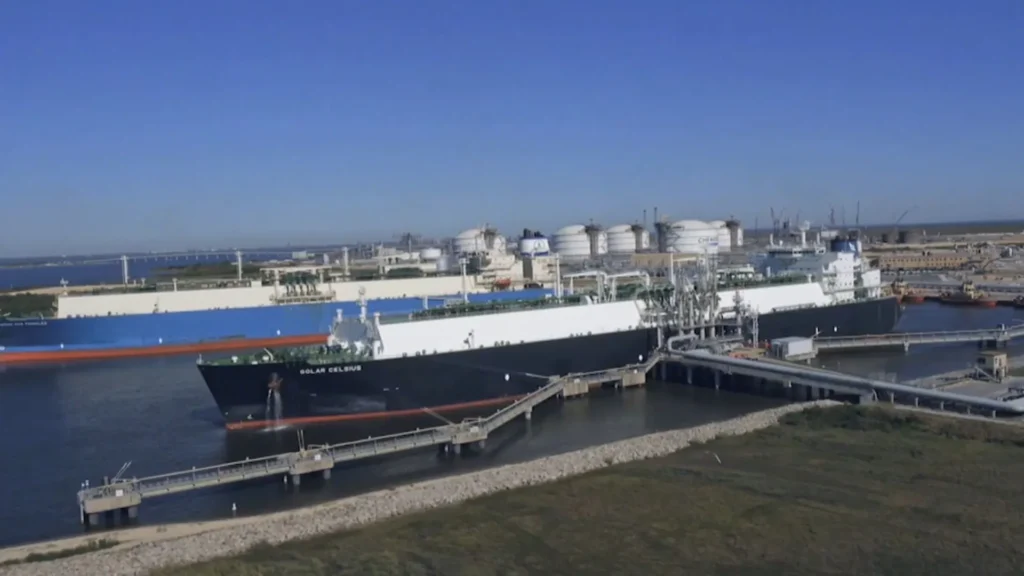
First LNG production from Train 1 was achieved in December 2024, and the first shipment was loaded in February 2025.
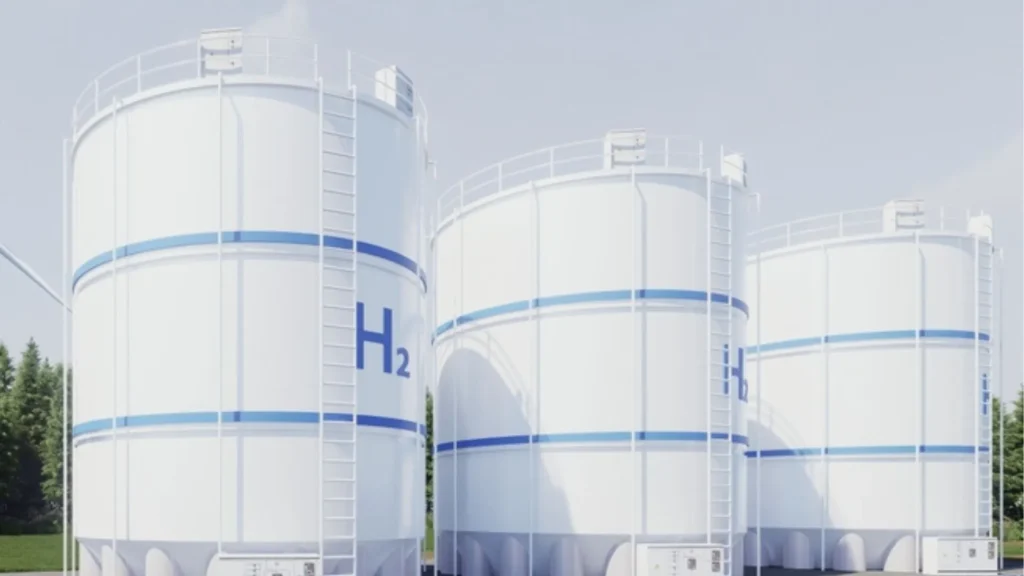
The joint project will create the world's largest facility capable of separating low-concentration hydrogen.
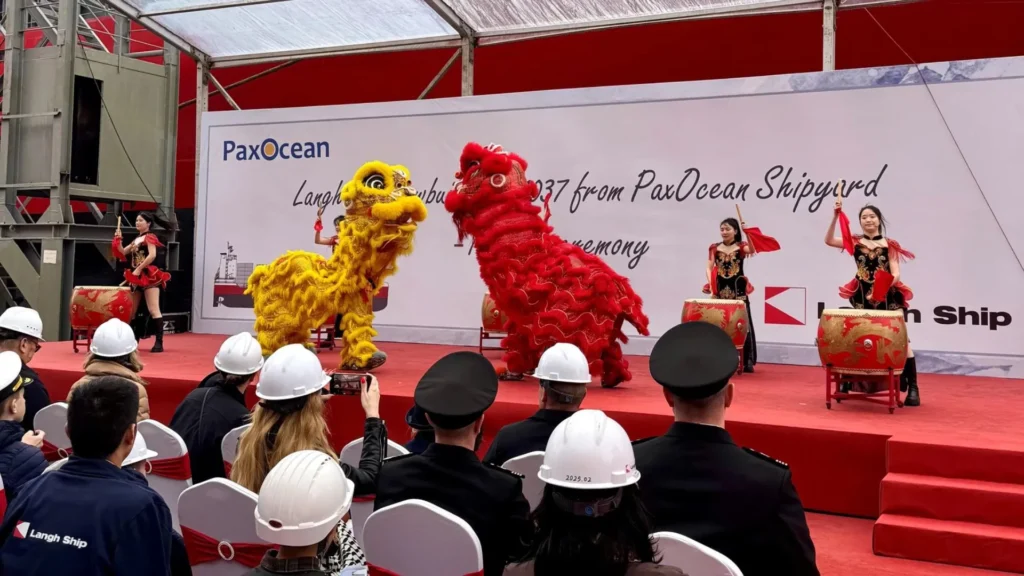
The boat is equipped with a low-speed, two-stroke engine optimized to reduce fuel consumption.
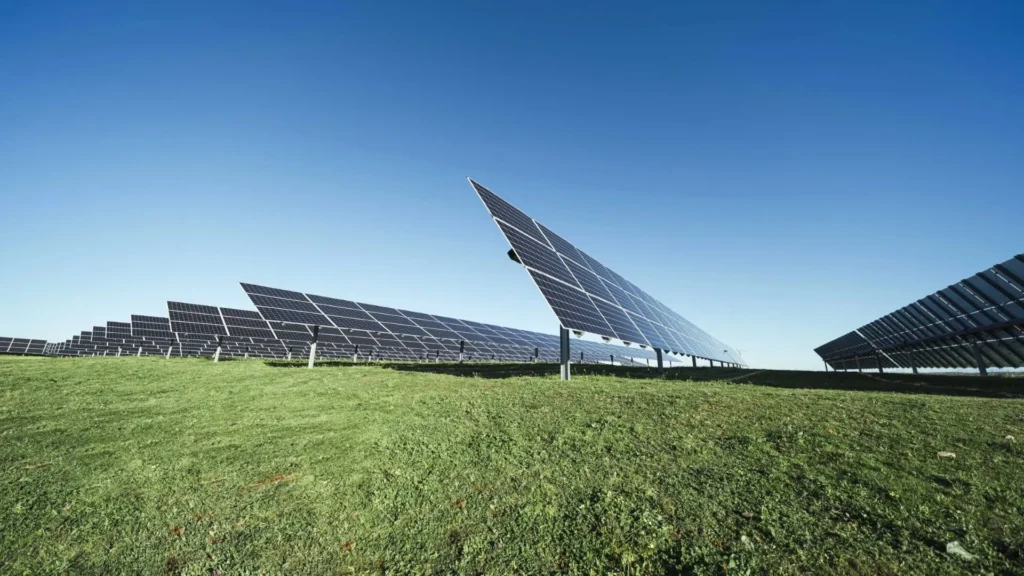
The project has a total capacity of 190 MW, enough to power 80,000 homes in Victoria.

Among the plans is a facility in New South Wales capable of recycling up to 500,000 solar panels per year.
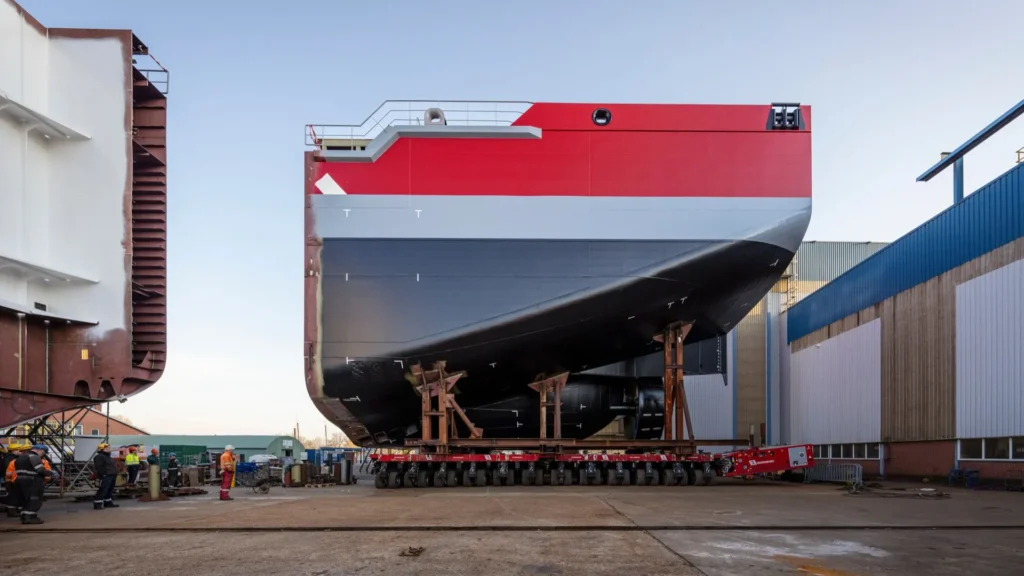
The vessel is expected to be launched in mid-May.
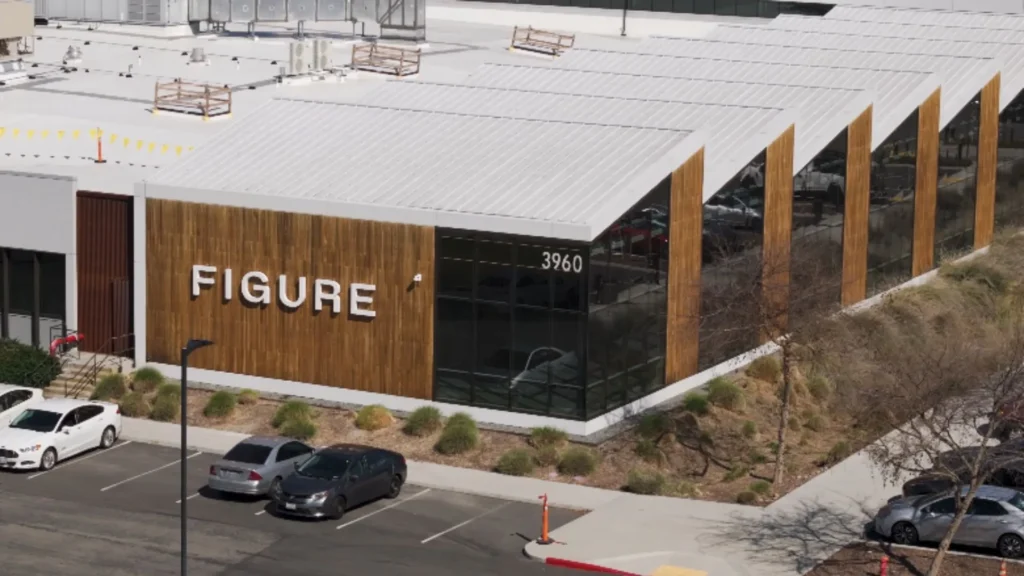
The facility will use humanoids to make the robots.
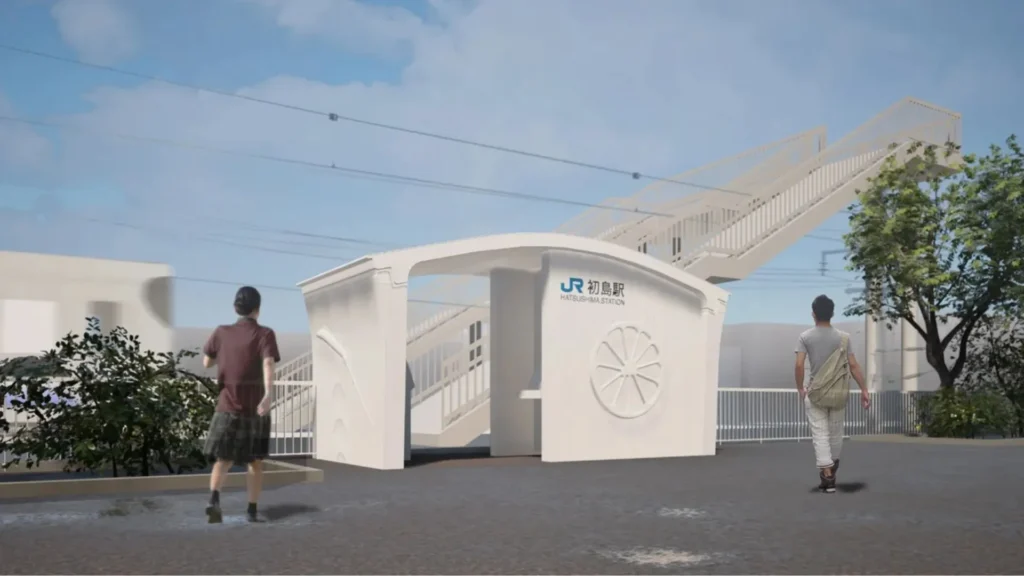
The station building will have a surface area of less than 10 square meters and will be made of reinforced concrete.
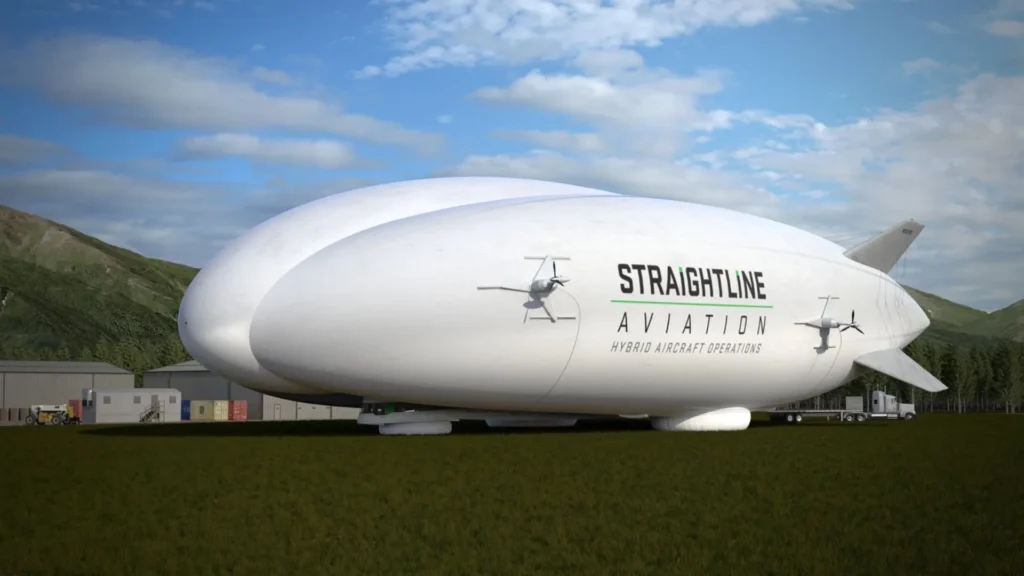
The airship can land without the need for traditional infrastructure thanks to its air cushioning system.