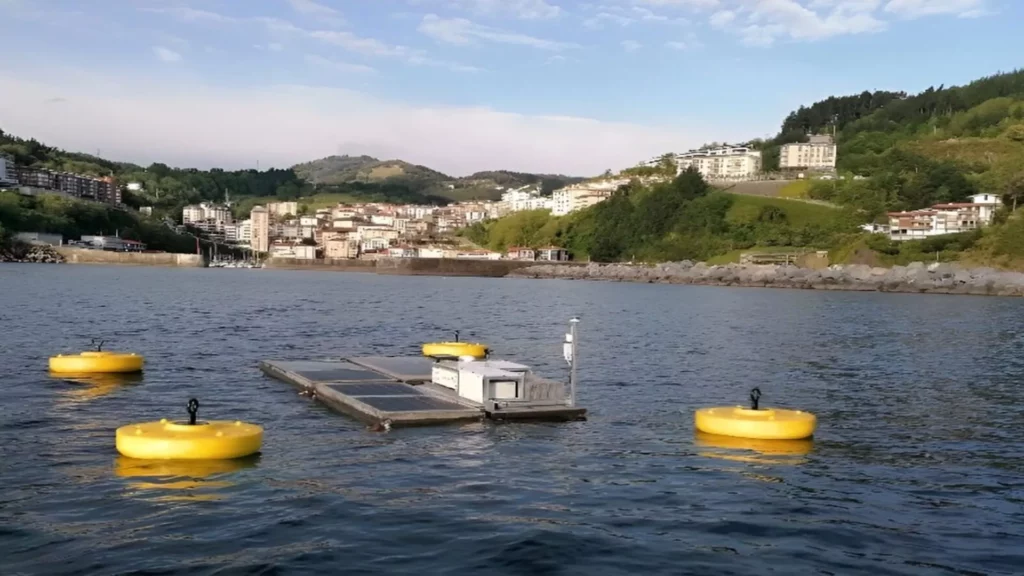
This project explores sustainable concepts for floating photovoltaic plants
The approach is aimed at understanding the implications of marine conditions on photovoltaic systems.

Industrial engineer, entrepreneur and copywriter with several years of experience in the digital world. A fan of reading and creative writing. Isbel has always been fascinated by topics related to the ocean and the mysteries of the universe. She has been part of the Inspenet team as a news editor since 2023.
The approach is aimed at understanding the implications of marine conditions on photovoltaic systems.

The measure seeks to protect a variety of species and respond to rapid climate change in the Arctic.
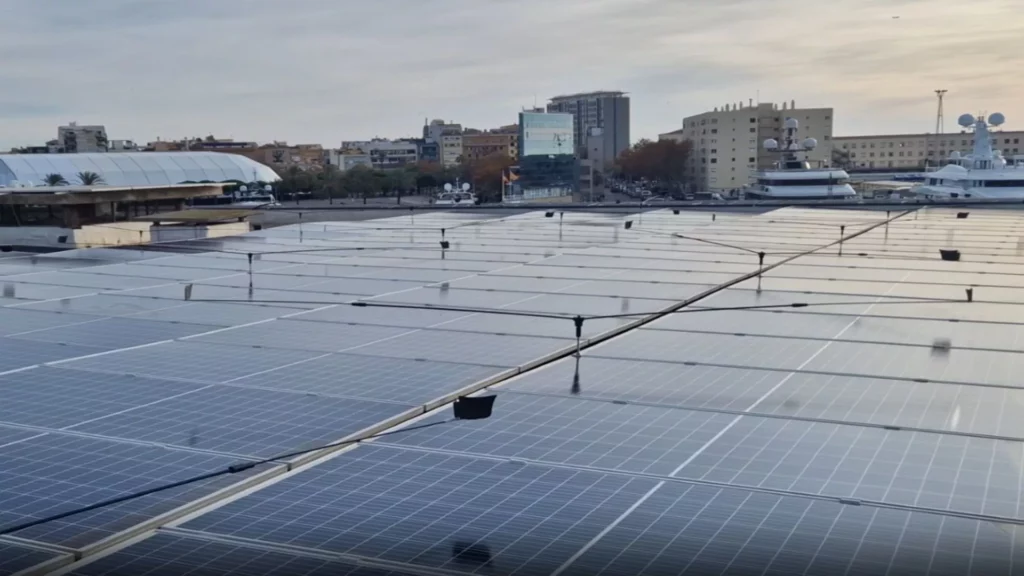
The device can be installed in less than 4 minutes and is designed to require no drilling or permanent modifications to the solar panels.
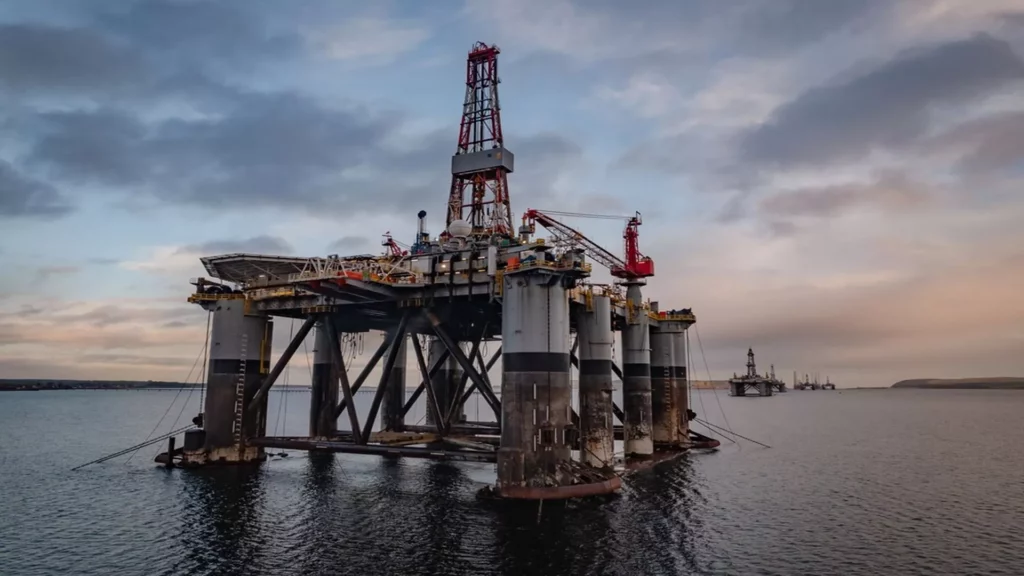
The new regulation comes after a public consultation process that received more than 2,000 comments.
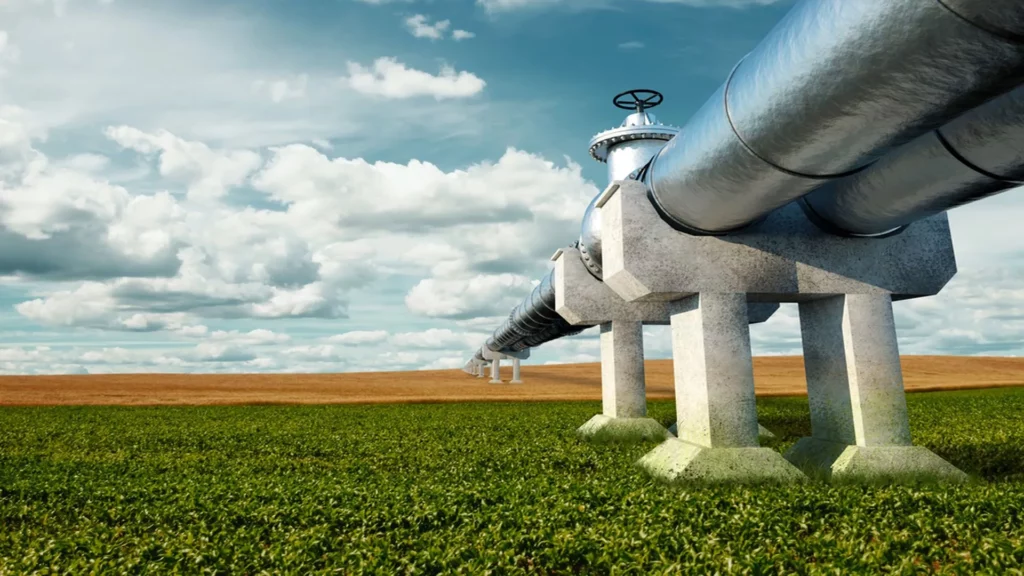
The pipeline will rejoin the market with full capacity restored.
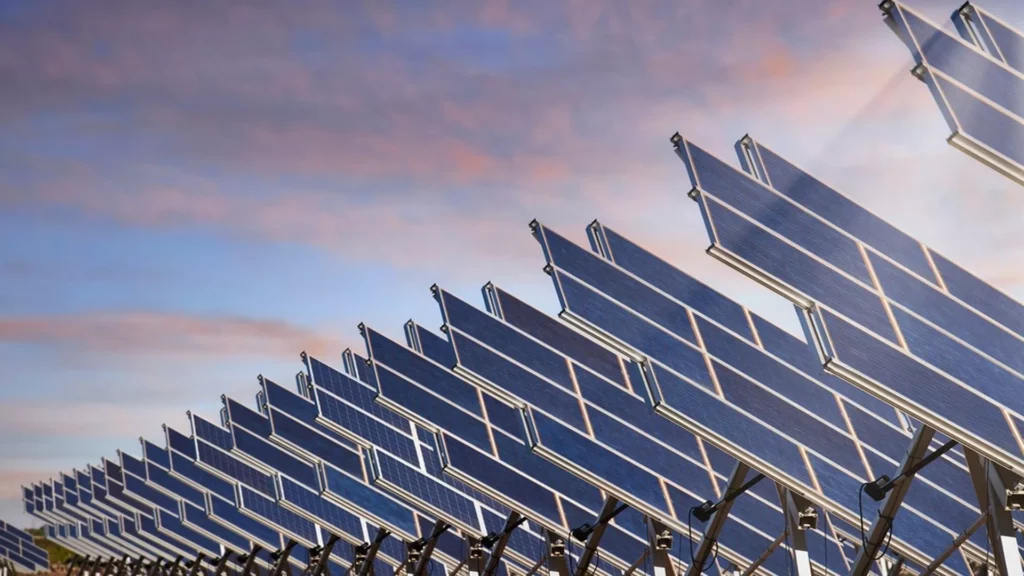
The new photovoltaic plants will avoid the emission of more than 80,000 tons of CO₂ each year.
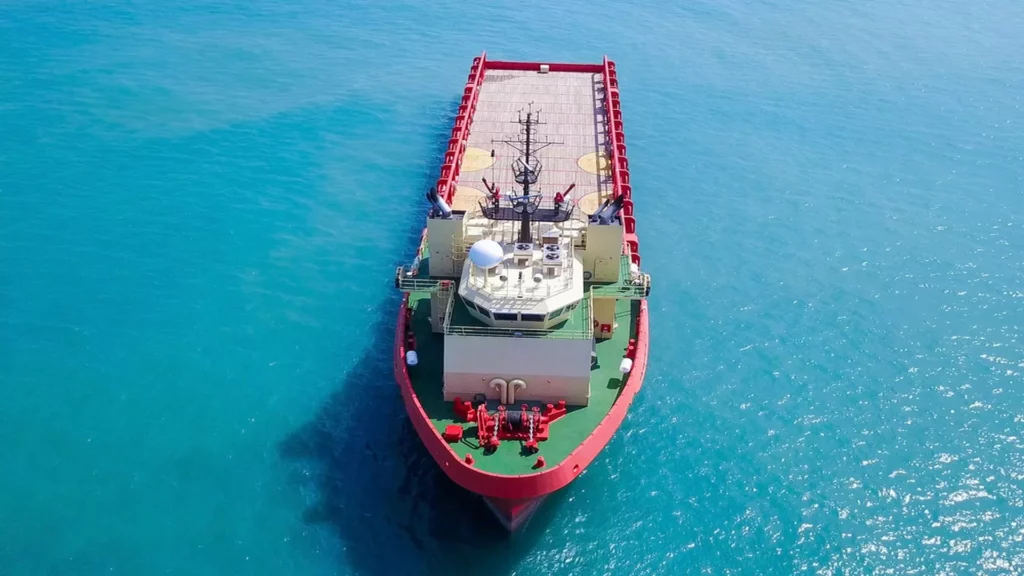
The FPSO has operated for 20 years in the Etame field.
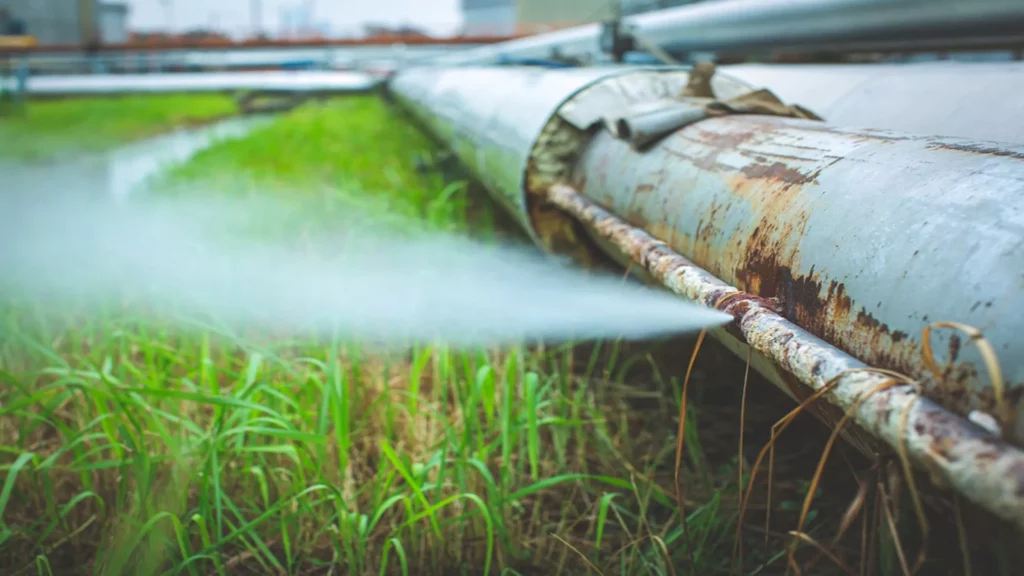
The company responsible for the gas pipeline assured that no injuries were reported.
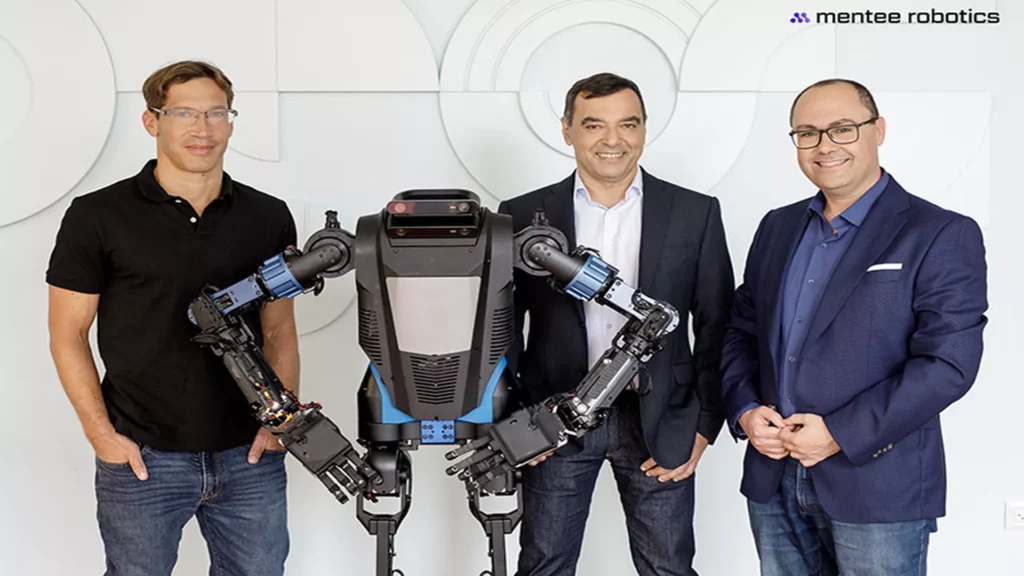
The robot uses technologies based on neural representations of function fields.

The system will allow real-time measurement of greenhouse gas (GHG) emissions.
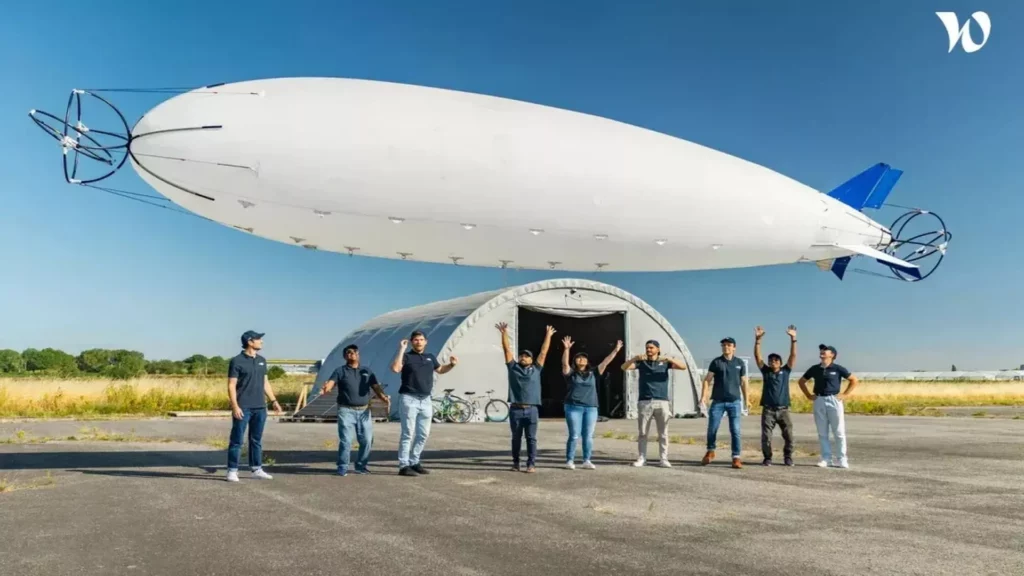
Hydrogen blimps, in addition to being economical and precise, do not generate polluting emissions.
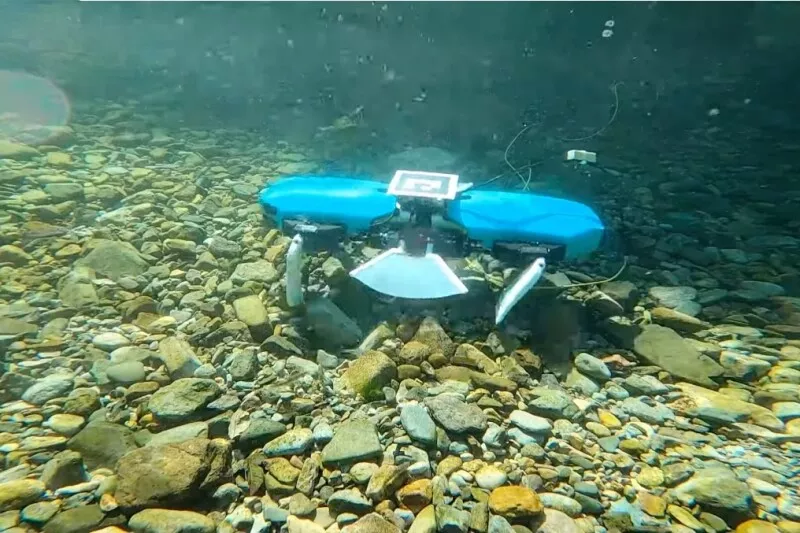
Its fish-inspired fin design allows it to swim, walk or crawl on the seabed.