

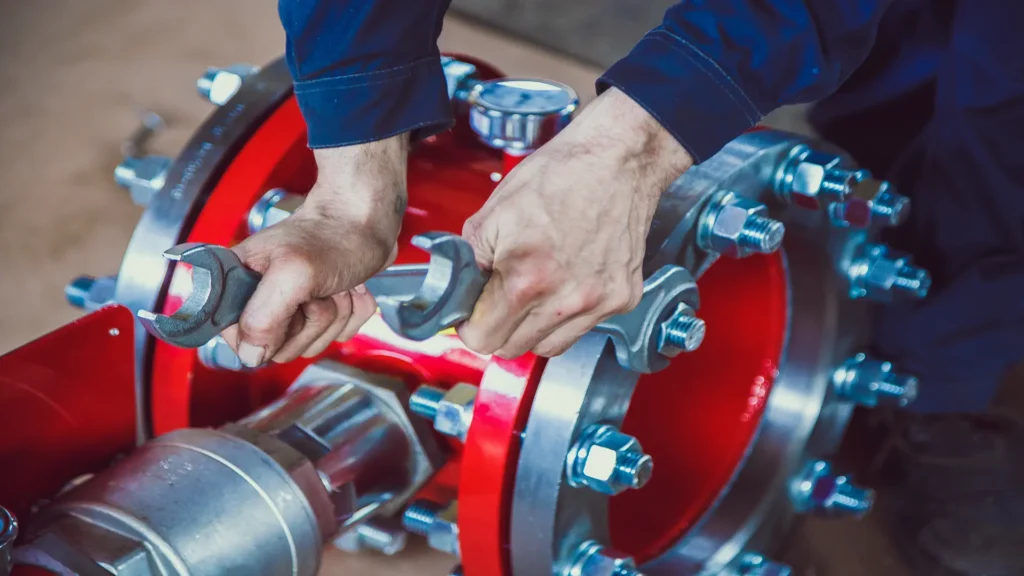
Key procedures for flange adjustment according to ASME PCC-1
Describing the fundamentals of flange adjustment, emphasising the correct use of the bolt torque chart.
Describing the fundamentals of flange adjustment, emphasising the correct use of the bolt torque chart.
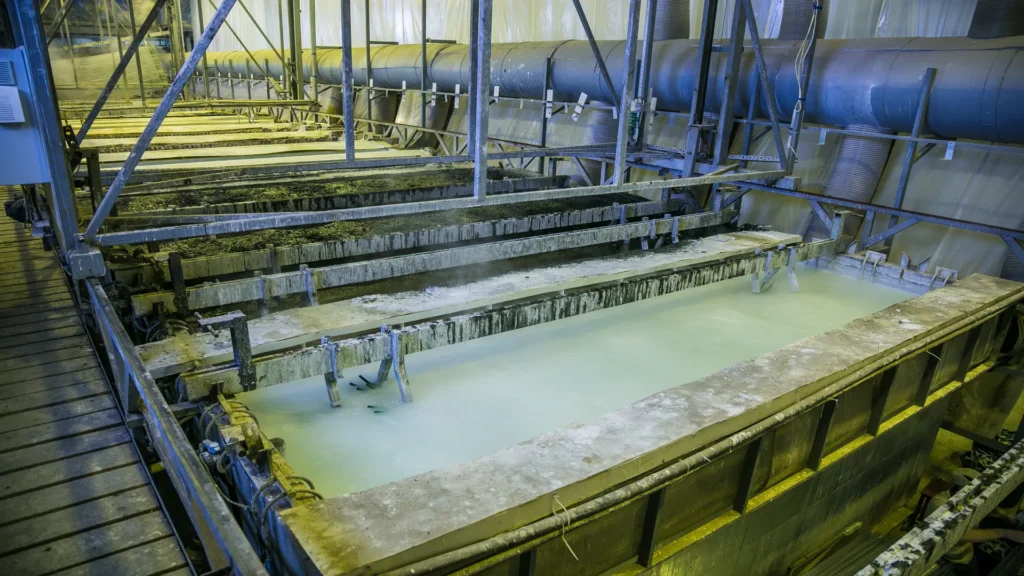
Analyzing zinc plating vs galvanized: Which method is more effective against corrosion?
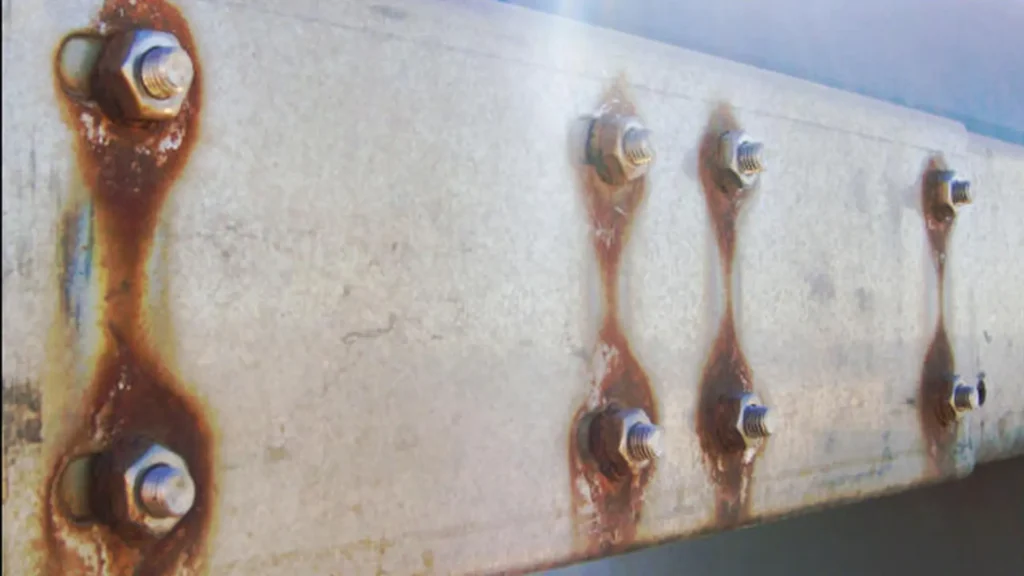
Galvanic corrosion, a challenge in various industries, is prevented through proper material selection, strategic design, and effective cathodic protection.

The article highlights the relevance of bulk liquid product transfer in the world economy and its impact on the global supply chain.

For the efficient distribution of biofuels at service stations, it is crucial to maximize their environmental and economic benefits through innovative strategies.

Effective strategies for quality assurance in the materials procurement process, from best practices to emerging technologies.

Static equipment inspection training to ensure accurate and efficient assessments.

A practical guide to project planning, from vision to final implementation.

Highlighting the historical evolution and contemporary relevance of nuclear energy.
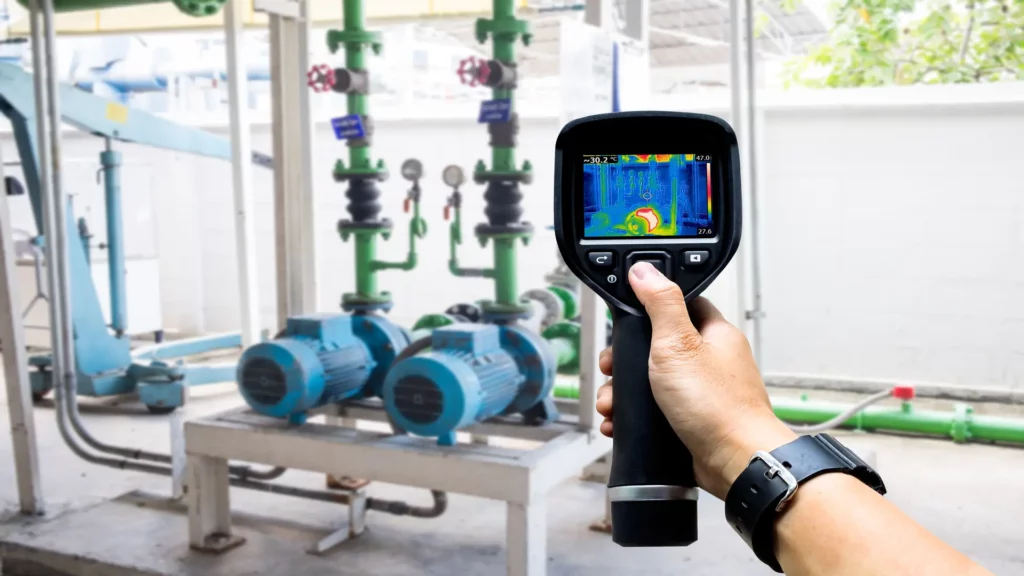
Highlighting the importance of Infrared Technology in the predictive maintenance of rotating equipment in the oil & gas sector.

Optimizing port logistics to mitigate congestions and delays, ensuring efficiency in maritime transportation within the Oil & Gas sector.

ILTA drives innovation and sets liquid terminal standards.