Codes and standards establish minimum requirements for the design, fabrication, inspection, and operation of industrial equipment. They constitute the technical framework that ensures uniformity, safety, and mechanical performance in energy infrastructure.
Their function is to define verifiable criteria to manage risks and ensure regulatory compliance. Organizations such as ASME, API, ASTM, ISO, and NFPA influence these guidelines, with broad adoption in the U.S. and Europe, and progressive expansion in LATAM driven by regulatory strengthening and operational maturity.
Main topics
This section gathers technical information for professionals who need to interpret, apply, and compare industrial standards.
Key topics include:
- ASME BPVC and ASME B31
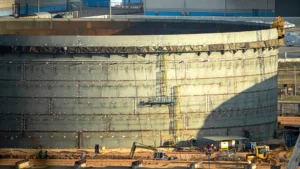
- API standards for tanks, piping, and inspection
- ISO and ASTM for materials and testing
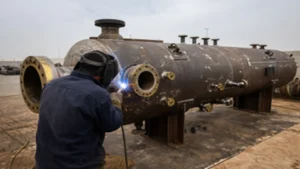
- Welding qualification (ASME IX)
- Fire protection standards (NFPA)
- Regulatory changes and updates
- Practical application in projects, inspection, and auditing
Codes and standards are essential to ensure safe design and reliable operation. Challenges include proper interpretation, continuous updating, and alignment with regional regulatory frameworks.